If your prescription significantly alters the size of your eyes, making them appear larger or smaller, you might consider switching to contact lenses.
What Is Rhinoplasty?
Rhinoplasty, commonly known as a nose reshaping surgery, is a cosmetic and functional procedure that enhances the appearance and performance of the nose.
It involves reshaping the nasal bone and cartilage to create a more balanced, natural look that complements the rest of the face. Beyond aesthetics, rhinoplasty can also correct breathing difficulties caused by structural issues such as a deviated septum or trauma.
Aesthetic Rhinoplasty: Enhancing Facial Proportion
Aesthetic rhinoplasty focuses on improving the external appearance of the nose — refining its size, shape, or angle for better harmony with facial features.
This can involve smoothing a dorsal hump, lifting the nasal tip, or narrowing wide nostrils. The goal is subtle, natural enhancement — not a one-size-fits-all change. Each procedure is fully customised based on facial anatomy, skin type, and the patient’s personal expectations.
Functional Rhinoplasty: Improving Nasal Airflow
Functional rhinoplasty addresses breathing problems by correcting internal nasal structures such as the septum, nasal valves, or turbinates.
These adjustments not only enhance airflow but also reduce symptoms like chronic congestion or snoring. Patients often experience both improved function and a refreshed, balanced nasal appearance.
In expert hands, rhinoplasty is both an art and a science — a delicate blend of aesthetic precision and medical expertise. Whether for cosmetic refinement, functional repair, or both, the result is a more confident and comfortable you.
The Process: Consultation, Surgery, and Recovery
A successful rhinoplasty journey begins with a detailed consultation. During this stage, your surgeon evaluates facial balance, nasal structure, and overall health while listening carefully to your expectations.
Digital imaging or 3D simulations may be used to visualise potential outcomes, ensuring full alignment between your goals and the surgical plan. Open communication at this stage is key to achieving natural, satisfying results.

The Surgery: Precision and Customisation
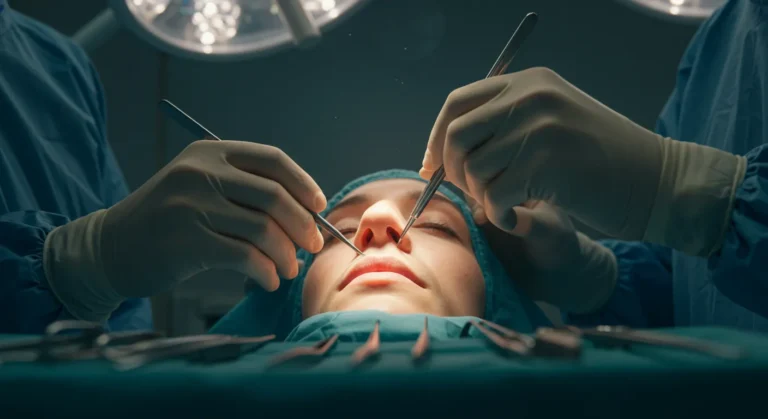
Rhinoplasty is typically performed under local or general anaesthesia, depending on the complexity of the case. The procedure may involve reshaping bone, cartilage, or soft tissue to refine the nasal structure.
Using either open or closed techniques, the surgeon focuses on achieving precise symmetry and proportion. The operation generally lasts between 45 minutes and two hours, followed by careful postoperative observation.
Recovery and Postoperative Care
After surgery, mild swelling and bruising are expected but gradually subside within one to two weeks. Patients can usually return to light activities within a few days and resume normal routines in about two weeks.
The final shape of the nose continues to refine over several months as tissues settle naturally. Regular follow-ups ensure proper healing and optimal results.
The rhinoplasty process is not only about changing appearance — it’s about restoring balance, improving breathing, and enhancing overall confidence. With proper guidance and post-surgical care, patients enjoy long-lasting results that feel natural and authentic.
Types of Rhinoplasty: Cosmetic and Functional Approaches
Rhinoplasty can generally be categorised into two main types: cosmetic and functional. Cosmetic rhinoplasty focuses on improving the visual appearance of the nose — refining its shape, size, or proportions to create facial harmony. This may involve smoothing a bump on the bridge, adjusting the nasal tip, or narrowing the nostrils. The goal is to enhance aesthetics while maintaining a natural look that complements individual facial features.
Functional rhinoplasty, on the other hand, aims to improve the nasal airway and breathing function. Structural problems such as a deviated septum, collapsed nasal valves, or previous trauma can interfere with airflow. By correcting these internal issues, the surgery not only restores proper breathing but can also reduce snoring and chronic congestion, significantly improving daily comfort and quality of life.
In many cases, aesthetic and functional rhinoplasty are performed together to achieve both beauty and comfort. This integrated approach ensures that patients enjoy not only a more balanced and refined nose but also the ease of effortless breathing — a transformation that enhances both appearance and well-being.
Why Choose Rhinoplasty in Istanbul?
Istanbul has become one of the world’s leading destinations for rhinoplasty — combining advanced medical expertise with exceptional patient care. Here, experienced surgeons deliver natural, balanced results using state-of-the-art technology and internationally recognised techniques. The city’s modern clinics, competitive pricing, and personalised approach make it an ideal choice for those seeking quality without compromise.
Choosing Istanbul for your rhinoplasty means more than just surgery — it’s a complete experience. From your first consultation to your recovery in a city where culture meets comfort, every detail is designed to ensure confidence, safety, and satisfaction. Begin your transformation where medical precision and timeless beauty meet — start your journey in Istanbul.