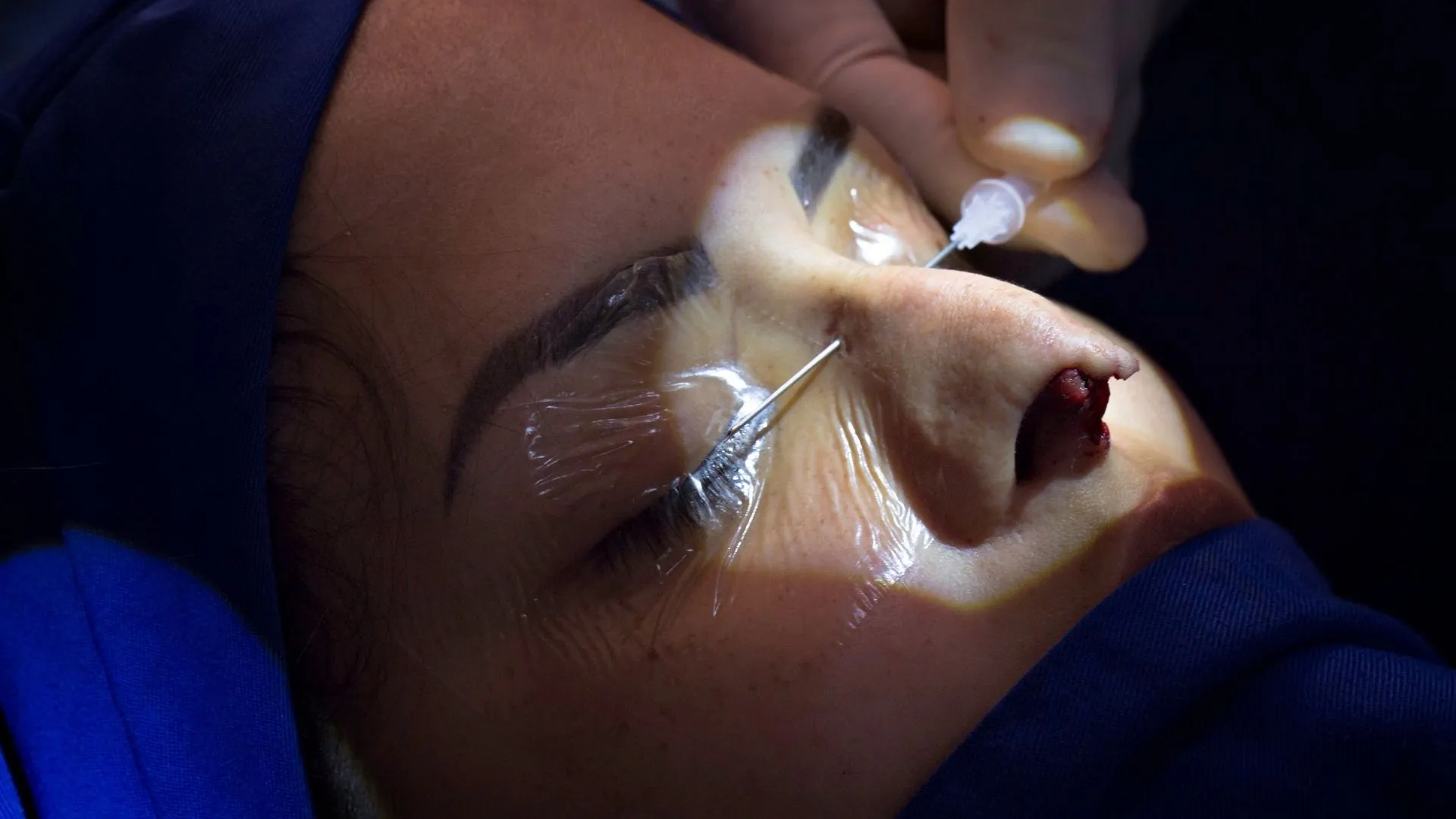
What is septoplasty?
The ability to breathe freely and efficiently is fundamental to overall health and quality of life. For millions globally, however, chronic nasal obstruction caused by a deviated nasal septum compromises this vital function. This comprehensive guide addresses the foundational question: What is septoplasty? We will delve into the procedure, its necessity, and the profound impact it has on restoring nasal function. What is septoplasty is a question frequently posed to leading ENT and facial plastic surgeons, such as Prof. Dr. Selçuk İnanlı, who specializes in both functional and aesthetic nasal surgeries. Septoplasty is a surgical procedure specifically designed to correct abnormalities of the nasal septum, the wall of cartilage and bone that divides the nose into two separate passages. When this septum is significantly deviated—meaning crooked or bent—it can severely restrict airflow, leading to significant health issues. In the hands of an experienced surgeon, septoplasty is a precise intervention aiming for structural integrity and optimal nasal breathing improvement. Unlike rhinoplasty, which is primarily focused on aesthetic changes, septoplasty is a functional nasal surgery. While functional improvements are the main goal, expert surgeons often utilize principles of rhinoplasty to ensure that functional success is achieved without compromising the external appearance of the nose.
What is septoplasty? Understanding the Core Procedure and Pathology
To fully grasp what is septoplasty, one must first understand the anatomy of the nasal septum. The septum runs down the center of the nose, separating the left and right nostrils. Ideally, it should be straight. However, trauma, injury, or natural developmental variations can lead to a septal deviation. This deviation causes mechanical obstruction, making it difficult or impossible to breathe through one or both sides of the nose. Chronic mouth breathing, recurrent sinus infections, and sleep disturbances are common outcomes of this structural issue. Addressing these symptoms effectively requires a definitive solution, which is precisely what is septoplasty designed to provide.
Diagnosing the Need for Nasal Septum Correction
Diagnosis typically begins with a thorough examination by an ENT specialist like Prof. Dr. Selçuk İnanlı. This involves reviewing medical history, assessing symptoms (such as snoring, difficulty breathing during exercise, or persistent congestion), and performing a nasal endoscopy.
The Role of Imaging in Determining Septoplasty Necessity
Sometimes, imaging studies like CT scans are required to fully visualize the extent of the septal deviation and identify any associated issues, such as chronic sinusitis or turbinate hypertrophy. Only once the structural compromise is mapped can an effective plan for septum repair be established.
Achieving Nasal Breathing Improvement Through Surgical Technique
The goal of septoplasty is not merely to remove tissue but to restructure the septum to create unobstructed, symmetrical nasal passages. Functional nasal surgery demands a meticulous approach to maintain both structure and long-term stability.
Key Steps in the Septoplasty Procedure
The operation is typically performed under general anesthesia. The surgeon makes a small, often inconspicuous incision inside the nose. The mucosal lining, which covers the cartilage and bone, is carefully lifted away. This exposes the deviated portion of the septum.
Precision in Septum Reconstruction and Reshaping
The surgeon then meticulously corrects the deviated areas. This may involve removing severely crooked sections, but modern techniques prioritize septum reconstruction by reshaping and repositioning the cartilage and bone to the midline. Prof. Dr. Selçuk İnanlı emphasizes structural integrity, ensuring the septum is stable enough to support the nasal structure indefinitely. This focus prevents long-term complications like saddle nose deformity.
The Crucial Differences: Septoplasty vs. Septorhinoplasty
It is essential for patients considering nasal surgery to understand the distinction between septoplasty and procedures that include aesthetic modification.
When Septal Correction Meets Aesthetic Enhancement
Septoplasty strictly addresses internal function. However, if the external appearance of the nose (dorsal hump, tip shape, etc.) is also a concern, the procedure may be combined with aesthetic work, resulting in a septorhinoplasty.
Combining Aesthetic Goals with Functional Nasal Surgery
Patients often seek the dual benefit of improving their nasal function while achieving aesthetic harmony. A specialized surgeon, certified in both ENT and facial plastic surgery, is uniquely qualified to perform both functions simultaneously, ensuring the structural stability required for lasting functional results while achieving natural aesthetic outcomes.
Septoplasty for Chronic Nasal Blockage and Quality of Life
The long-term effects of a successful septoplasty extend far beyond simply being able to breathe better. Chronic nasal blockage significantly diminishes quality of life, impacting sleep, exercise, and cognitive function. Correcting the septal deviation unlocks vast improvements.
Addressing Associated Conditions: Turbinate Reduction
Often, a deviated septum coexists with enlarged turbinates (structures inside the nose that humidify air). If these are contributing to the chronic nasal blockage, the surgeon may perform a turbinate reduction alongside the septoplasty to maximize the improvement in the nasal airway.
The Long-Term Benefits of Enhanced Nasal Function
Once the septal deviation is corrected, patients typically report improvements in sleep quality, reduction in snoring, fewer sinus infections, and enhanced tolerance for physical activity. This return to natural nasal breathing represents the ultimate success of functional nasal surgery.
Choosing an Expert for Your Functional Nasal Surgery
Since septoplasty involves critical structural elements that affect the foundation of the nose, selecting an experienced specialist is paramount. An Istanbul ENT specialist with advanced training in reconstructive facial surgery offers the necessary expertise.
The Expertise of Prof. Dr. Selçuk İnanlı
Prof. Dr. Selçuk İnanlı brings over 34 years of clinical experience, focusing on preserving structural integrity and achieving natural outcomes. His dual certification in ENT and Facial Plastic Surgery means that functional needs—like correcting septal deviation—are prioritized and integrated seamlessly with aesthetic considerations, if applicable. Patients benefit from this holistic approach.
The Importance of Individualized Treatment Planning
What is septoplasty in practice varies greatly from patient to patient. Prof. Dr. İnanlı ensures that each procedure is planned individually, based on the patient’s specific facial proportions and functional requirements, ensuring the most precise and lasting solution for their nasal function issues. This level of personalized care distinguishes expert practice.
Post-Septoplasty Expectations and Follow-up
Recovery from septoplasty is generally straightforward, though patience is required as swelling subsides and the septum repair heals. Immediate relief is often experienced, but full structural stability takes time.
Initial Healing and Managing Discomfort
Most patients experience some congestion initially, often due to internal swelling or temporary splints/packing, but significant pain is rare. Following post-operative instructions diligently is crucial for maximizing the long-term success of the nasal septum correction. Proper management ensures that the delicate work of septum reconstruction is protected.
Long-Term Success of Septoplasty
The long-term success of septoplasty hinges on accurate surgical execution and meticulous post-operative adherence. When performed correctly by specialists like Prof. Dr. Selçuk İnanlı, the correction of the deviated septum surgery is permanent, leading to sustained improvements in breathing and overall health. Understanding what is septoplasty means recognizing its value as a fundamental procedure for health and breathing.
Addressing Complex Cases and Revision Septoplasty
Sometimes, initial septoplasty procedures performed elsewhere may not achieve full correction or may result in residual deviations. In such cases, revision septoplasty may be necessary. This complex field requires highly specialized skill.
Challenges in Revision Septal Deviation Correction
Revision surgery often involves scar tissue and compromised cartilage, making the procedure significantly more intricate than the primary surgery. Expertise in reconstructive facial surgery is vital to ensure stable and successful outcomes.
Ensuring Enduring Structural Integrity
Whether addressing a primary or revision case, the primary objective remains: to establish a stable, midline septum that provides a clear nasal airway. This commitment to structural integrity is key to preventing further complications and guaranteeing long-term nasal breathing improvement. When you ask what is septoplasty, remember it is an investment in vital nasal function.
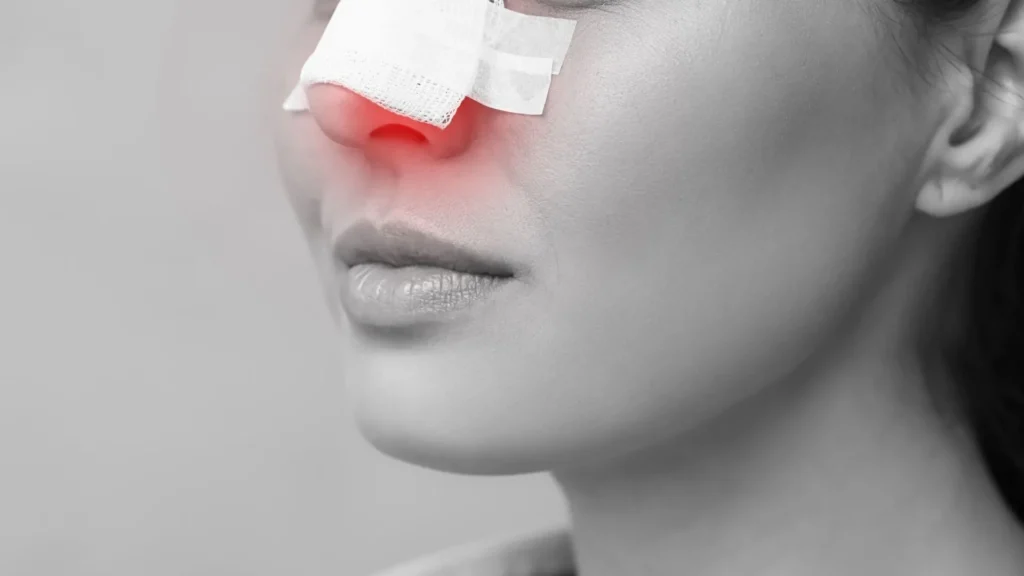
How Should ı Prepare for Septoplasty in Türkıye
For international patients seeking specialized medical care, Turkey has emerged as a premier destination, particularly for complex functional surgeries like septoplasty. The question, how should ı prepare for septoplasty in turkey, is critical for ensuring a smooth medical journey and optimal surgical outcomes. Preparation involves not only medical readiness but also logistical planning related to travel and accommodation in Istanbul. Undergoing functional nasal surgery Turkey with an expert like Prof. Dr. Selçuk İnanlı, a European Board Certified ENT and Facial Plastic Surgeon, ensures access to world-class expertise. However, proper patient preparation is a shared responsibility, maximizing patient safety Turkey and enhancing recovery. This guide outlines the essential medical, logistical, and communicative steps required to answer the vital question: how should ı prepare for septoplasty in turkey.
How Should ı Prepare for Septoplasty in Turkey? Navigating the Medical Checklist
Medical preparation for septoplasty begins weeks before the scheduled date. This phase is crucial for minimizing surgical risks and facilitating the healing process. Following the septoplasty guidelines provided by the surgical team meticulously is non-negotiable.
Comprehensive Medical Assessment Before Surgery
Prior to surgery, patients must undergo a thorough medical assessment before surgery. This includes blood tests, cardiac evaluations (if necessary), and reviewing current health status. It is imperative to be transparent about any existing medical conditions or previous surgeries to ensure safe anesthesia and surgical planning.
Strict Medication Restrictions and Blood Thinners
A critical component of septoplasty preparation Turkey involves adhering to medication restrictions. Specifically, patients must stop taking any supplements or medications that can thin the blood (such as Aspirin, Ibuprofen, or certain vitamins like Vitamin E) for at least two weeks before the procedure. Continued use of blood thinning medication can lead to excessive bleeding during or after the functional nasal surgery Turkey, significantly complicating recovery. Always discuss all medications with the surgical team.
Enhancing Recovery: Lifestyle Adjustments Pre-Operation
Lifestyle changes implemented before surgery have a profound impact on healing speed and the final outcome of the Istanbul septoplasty. Surgeons strongly emphasize the discontinuation of smoking and reducing alcohol intake.
The Imperative of Smoking Cessation Before Septoplasty
If you smoke, smoking cessation before septoplasty is mandatory. Smoking severely restricts blood flow, impedes oxygen delivery to tissues, and dramatically increases the risk of complications, including poor wound healing and infection. Ideally, cessation should begin at least four to six weeks before the scheduled operation. This step directly influences septoplasty recovery quality.
Maintaining Optimal Nasal Hygiene Pre-Op
Practicing meticulous nasal hygiene pre-op, often involving specific washes prescribed by the doctor, can help reduce the bacterial load inside the nose, lowering the risk of post-operative infection. This small step in septoplasty preparation Turkey contributes greatly to a smoother recovery.
How Should ı Prepare for Septoplasty in Turkey? Logistical Planning for Travel
Since the procedure is performed as part of medical tourism Turkey, robust travel and logistical planning are essential. Patients must factor in travel, surgery, and the initial recovery period when planning their stay in Istanbul.
Essential Travel Documentation and Stay Duration
Ensure all travel documentation (passport, visa requirements, etc.) is valid well in advance. Patients should plan to stay in Istanbul for approximately 7 to 10 days post-surgery to allow for initial follow-up appointments, including splint or packing removal. This timeframe is necessary for the critical phase of healing under the direct care of Prof. Dr. Selçuk İnanlı’s team.
Accommodation Planning and Comfort
Arrange suitable accommodation planning close to the clinic in Şişli/Istanbul. Your recovery location should be quiet, comfortable, and equipped with amenities that facilitate rest. Having easy access to medical support during this period is a cornerstone of responsible Turkey medical travel.
The Crucial Role of Surgical Consultation and Communication
Effective communication with the surgical team is perhaps the most important aspect of preparation. This ensures that the patient’s expectations align perfectly with the surgical plan and potential outcomes.
Utilizing the Surgical Consultation Effectively
During the surgical consultation with Prof. Dr. Selçuk İnanlı, ensure you clearly communicate your symptoms, breathing difficulties, and functional goals. Use this time to ask detailed questions about the procedure, the expected results, and any concerns regarding patient safety Turkey.
The Pre-Surgery Checklist and Final Confirmation
The surgical team will provide a detailed pre-surgery checklist. This document will confirm fasting requirements (typically 6-8 hours before surgery), arrival time at the hospital, and attire (comfortable, loose-fitting clothing). Reviewing this list carefully helps alleviate pre-operative anxiety and ensures readiness for the ENT procedure.
Post-Operative Care Planning Before Surgery
Preparation doesn’t stop at the operating room door; anticipating and planning for the post-operative period is vital. A smooth recovery hinges on having the necessary support systems in place.
Setting up for a Seamless Septoplasty Recovery
Organize for assistance during the first few days post-operation. Whether it’s a family member or a dedicated medical travel assistant, having help for daily tasks will allow you to focus entirely on healing. This proactive approach to post-operative care planning is a significant part of answering how should ı prepare for septoplasty in turkey.
Gathering Essential Recovery Supplies
Gather necessary supplies beforehand, such as ice packs, soft foods, saline nasal sprays, and comfortable pillows that allow you to sleep elevated. Minimizing the need to run errands immediately after the Istanbul septoplasty allows for uninterrupted rest and recuperation, bolstering the success of the functional nasal surgery Turkey. Knowing how should ı prepare for septoplasty in turkey significantly reduces stress and optimizes surgical success, leading to excellent functional outcomes under the care of Prof. Dr. İnanlı.
Septoplasty Frequently Asked Questions
What are the chunks coming out of my nose after septoplasty?
These are usually dried blood, mucus, scabs, or dissolving packing material and are normal during healing.
What are the red flags after septoplasty?
Severe bleeding, high fever, worsening pain, foul-smelling discharge, breathing difficulty, or sudden swelling should be reported to your doctor immediately.
Will I have black eyes after deviated septum surgery?
Black eyes are uncommon after septoplasty alone but may occur if the surgery involved surrounding nasal structures.
What foods should you avoid after septoplasty?
Avoid very hot, spicy, hard, or crunchy foods, as they may increase swelling or trigger bleeding.
Can I wash my hair after septoplasty?
Yes, usually after 24–48 hours, as long as you avoid bending forward and keep the nasal area dry.
How painful is a septoplasty?
Pain is generally mild to moderate and well controlled with prescribed pain medication; most discomfort comes from congestion rather than pain.
What are the potential benefits and risks of septoplasty?
Septoplasty is recognized worldwide as the gold standard for correcting a deviated nasal septum. When patients consider this procedure to alleviate chronic nasal obstruction, the crucial inquiry becomes: What are the potential benefits and risks of septoplasty? This functional nasal surgery promises life-altering improvements in breathing, but like any surgical procedure, it requires a careful evaluation of possible complications. An expert approach, like that championed by Prof. Dr. Selçuk İnanlı, focuses on maximizing the breathing improvement benefits while meticulously mitigating the inherent ENT surgical risks. Understanding both the septoplasty outcomes and the potential challenges is essential for informed patient consent and realistic expectations. This guide provides a balanced analysis of the septoplasty benefits and the considerations required to manage potential septoplasty complications.
What are the Potential Benefits and Risks of Septoplasty? The Advantages of Functional Correction
The primary motivation for undergoing septoplasty is to restore proper nasal airflow, reversing the debilitating effects of a deviated septum. The benefits extend far beyond simply having a clear nose.
Maximizing Breathing Improvement Benefits
The most immediate and significant advantage is the restoration of the nasal airway. Correcting the structural obstruction allows for easier, quieter, and more efficient nasal breathing. This leads directly to enhanced physical activity tolerance, as the body can obtain necessary oxygen more readily through the nose during exertion.
Improved Sleep Quality and Reduced Snoring
Chronic nasal obstruction often leads to mouth breathing, which contributes to loud snoring and poor sleep architecture. One of the major septoplasty benefits reported by patients is improved sleep quality. By opening the nasal passages, septoplasty can drastically reduce snoring, offering benefits for both the patient and their partners. This addresses one of the most common deviated septum risks related to general health.
Long-Term Septoplasty Results in Health and Comfort
Successful surgery yields robust and long-term septoplasty results. Patients often experience fewer sinus infections and less reliance on decongestant sprays. This durable solution translates into a higher quality of life, emphasizing the significant functional surgery advantages.
Cosmetic Changes After Septoplasty: Function Meets Form
While septoplasty is fundamentally functional, expertly performed procedures, particularly those by surgeons also specializing in facial aesthetics like Prof. Dr. Selçuk İnanlı, ensure that structural corrections do not negatively impact the nose’s external appearance. In some cases, minor external asymmetries caused by the deviated septum risks can even be subtly improved, though comprehensive cosmetic changes usually require septorhinoplasty. This careful attention maintains the structural integrity of the nose.
What are the Potential Benefits and Risks of Septoplasty? Navigating Surgical Risks
While septoplasty is routine, it is not without potential drawbacks. Patients must be fully aware of the risks of septoplasty and discuss them thoroughly with their surgeon.
Common and Rare Septoplasty Complications
All surgical procedures carry general risks, such as adverse reactions to anesthesia or post-operative pain. Specific septoplasty complications include postoperative bleeding, which is usually minimal but can occasionally be significant, and the risk of infection. The septoplasty infection risk is managed through sterile technique and sometimes prophylactic antibiotics, but patients must monitor for signs post-surgery.
Addressing Septal Perforation and Other Structural Issues
A more specific, though rare, risk is septal perforation, a hole in the septum, which can sometimes cause crusting, whistling noises, or recurring nosebleeds. This outcome is mitigated by the highly skilled technique of specialists who prioritize preserving the mucosal lining and careful septum reconstruction. Expert technique, which Prof. Dr. Selçuk İnanlı expertise assures, significantly reduces the likelihood of such complications.
Managing Septoplasty Side Effects and Post-Operative Expectations
In the immediate aftermath of surgery, some temporary septoplasty side effects are normal and expected, not necessarily complications.
Temporary Discomfort and Nasal Congestion
Temporary nasal congestion due to swelling or the presence of splints/packing is standard during the initial healing period. Patients should be prepared for this temporary discomfort, which resolves as swelling subsides. Managing this discomfort is a key part of the post-operative instructions.
The Importance of Follow-Up Care
Minimizing septoplasty complications depends heavily on patient adherence to post-operative instructions and attending all follow-up appointments. These visits allow the surgeon to monitor healing, remove splints, and address any potential issues like excessive swelling or localized irritation, ensuring the long-term maintenance of the structural integrity of the nose.
Prof. Dr. Selçuk İnanlı Expertise: Minimizing Risks and Optimizing Outcomes
Choosing a highly qualified surgeon is the single most effective way to tilt the balance heavily toward the septoplasty benefits side of the equation while minimizing septoplasty risks.
Dual Certification and Holistic Approach
As a European Board Certified ENT and Facial Plastic Surgeon, Prof. Dr. İnanlı offers a holistic approach. His extensive experience (over 34 years) in both functional and aesthetic surgery ensures that the correction of the septum is performed with the utmost precision, focusing on the long-term stability and health of the nasal airway, thereby managing the ENT surgical risks inherent in the procedure.
Patient Selection and Personalized Risk Management
Prof. Dr. İnanlı meticulously evaluates each patient, ensuring they are appropriate candidates for surgery. For patients with complex medical histories, individualized pre-operative planning is undertaken to specifically mitigate known risks, resulting in safer and more predictable septoplasty outcomes. Discussing What are the potential benefits and risks of septoplasty in depth during the initial consultation guarantees that every patient is fully prepared for their journey toward better breathing.
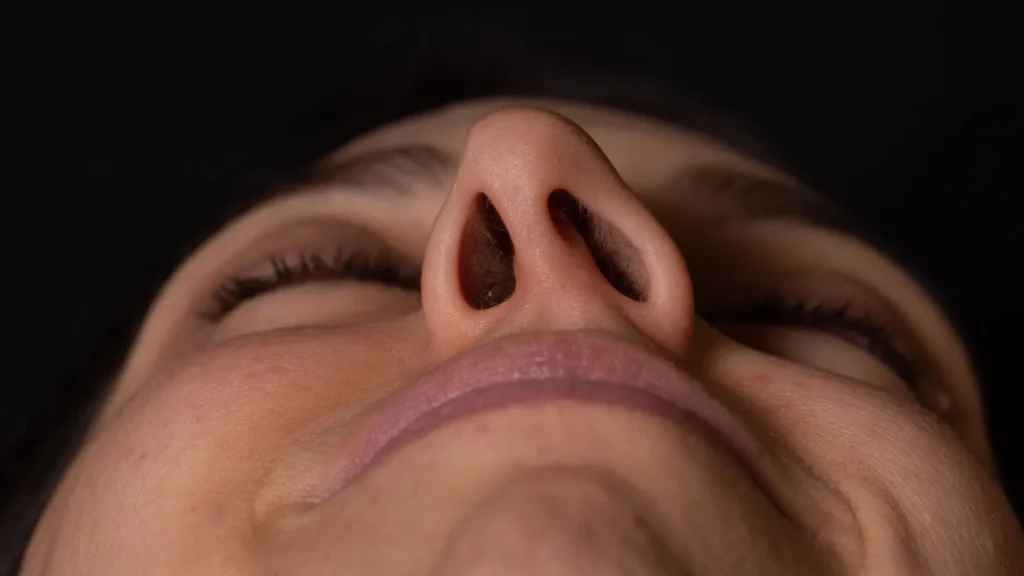
Septoplasty recovery
The decision to undergo septoplasty is often made with the primary goal of achieving permanent, effortless nasal breathing. The next crucial phase is the septoplasty recovery. A successful outcome hinges not only on surgical expertise—like that provided by Prof. Dr. Selçuk İnanlı—but also on meticulous patient adherence to post-operative care septoplasty instructions. This phase requires patience, vigilance, and careful management of expected symptoms. This detailed guide serves as a comprehensive septoplasty patient guide, outlining the typical septoplasty healing timeline and providing expert tips for achieving optimal long-term nasal function.
Septoplasty Recovery: The Initial Days (Days 1–7)
The first week of septoplasty recovery is the most critical phase for initial healing, characterized primarily by rest and management of swelling and discomfort. Proper care during this period sets the stage for success.
Managing Pain and Discomfort Post-Surgery
While septoplasty is generally not considered extremely painful, some degree of pain and pressure is expected. Managing pain after septoplasty typically involves prescribed oral medication. It is vital to take these medications as directed and avoid NSAIDs or aspirin, which can increase the risk of bleeding. If pain is severe or sudden, contact your surgeon immediately.
Nasal Congestion and Nasal Packing Removal
Temporary nasal congestion septoplasty is common, resulting from internal swelling and the presence of nasal splints or nasal packing removal. Many modern techniques utilize internal dissolvable splints or minimal packing. If non-dissolvable splints are used, their removal around day 5-7 marks a significant turning point, often providing immediate, gratifying relief in breathing after septoplasty.
The Intermediate Phase of Septoplasty Recovery (Weeks 2–4)
Once the initial splints are removed, the patient transitions into the intermediate recovery phase, focusing on resuming light activities and continuing diligent nasal hygiene.
Returning to Work and Daily Activities
Most patients find they are able to begin returning to work after septoplasty within 3 to 7 days, depending on the nature of their job. For office work, the return is quicker; jobs requiring physical exertion or exposure to dust must be postponed. This gradual return is vital to prevent complications.
The Importance of Nasal Rinsing After Surgery
Nasal rinsing after surgery, using a prescribed saline solution or specialized rinse bottle, becomes a cornerstone of care. This practice helps clear crusting, minimize infection risk, and reduce internal swelling. Following the specific technique recommended by Prof. Dr. Selçuk İnanlı recovery tips is crucial to maximize efficacy and comfort.
Reducing Swelling and Optimizing Sleeping Position
Swelling after nasal surgery is inevitable and can persist internally for several weeks, although it is usually invisible externally in pure septoplasty cases. To mitigate swelling, patients must adhere to the recommended sleeping position after septoplasty—sleeping with the head elevated (using two or three pillows) for the first two weeks. This simple measure dramatically assists the healing process timeline.
Physical Activity and Long-Term Healing (Weeks 4–12)
As the internal structures stabilize, the focus shifts to carefully integrating higher levels of physical activity post-septoplasty and monitoring long-term nasal function.
Avoiding Strenuous Activity
Avoiding strenuous activity such as heavy lifting, running, or contact sports is mandatory for at least four to six weeks. Increased blood pressure from exertion can trigger bleeding or increase internal swelling, compromising the septum repair. Light walking is encouraged soon after surgery, but intense workouts must wait.
Monitoring for Signs of Complications
While most of the septoplasty recovery is uneventful, patients must remain vigilant for signs of complication, such as uncontrolled bleeding, high fever, or severe, persistent pain, which could indicate infection. Open communication with the surgical team remains paramount during this period.
Achieving Full Recovery Septoplasty: Six Months and Beyond
Although function improves rapidly, achieving full recovery septoplasty—where all internal tissues have fully settled and consolidated—takes several months.
Septoplasty Frequently Asked Questions
How long does a septoplasty take?
A septoplasty usually takes 30 to 90 minutes, depending on the complexity of the deviation.
Does septoplasty change nose shape?
No, septoplasty is done inside the nose and does not change the external shape of the nose unless combined with rhinoplasty.
Why is my nose so big after septoplasty?
Swelling and internal inflammation can make the nose appear larger temporarily; this improves as healing progresses.
How to shower after septoplasty?
You can usually shower after 24–48 hours, using lukewarm water and avoiding direct water pressure on the nose.
Do they shave your mustache for a septoplasty?
No, shaving the mustache is not necessary for a septoplasty.
Signs of infection after septoplasty
Septoplasty is a highly successful procedure, but like all surgeries, it carries a small risk of post-surgical infection nasal. Identifying and addressing potential complications swiftly is crucial for a smooth recovery and achieving optimal functional outcomes. Patients must be educated on the signs of infection after septoplasty to ensure timely intervention. A proactive approach to surgical site monitoring is an integral part of responsible post-operative care. Under the guidance of experienced specialists like Prof. Dr. Selçuk İnanlı, effective septoplasty infection prevention measures are put in place, but vigilance on the patient’s part remains necessary. This article details the warning signs, risk factors, and appropriate actions if infection is suspected.
Signs of Infection After Septoplasty: Recognizing Key Warning Symptoms
Distinguishing between normal post-operative symptoms (like swelling and mild pain) and true septoplasty infection symptoms is essential. While initial discomfort is standard, certain symptoms should trigger immediate concern.
Systemic Indicators: Fever and Malaise
The onset of a fever after septoplasty, particularly one above 101°F (38.3°C), that persists beyond the first 48 hours is a strong indicator of systemic infection. Accompanying symptoms might include chills, generalized malaise, or excessive fatigue—all demanding urgent medical attention. These are key emergency nasal symptoms.
Localized Symptoms: Discharge and Pain
While some bloody or clear discharge is normal, the presence of unusual discharge after nasal surgery, specifically thick, foul-smelling, yellow, or green pus, is a primary wound infection sign. Furthermore, pain that suddenly worsens significantly after improving, or severe pain post-septoplasty that is not relieved by prescribed medication, can signal a localized problem, such as a developing signs of nasal abscess.
Differentiating Normal Swelling from Persistent Swelling
Swelling after nasal surgery is expected and typically peaks within 48-72 hours. However, if swelling remains pronounced or increases dramatically after the initial peak, it may be a cause for concern.
Persistent Swelling After Septoplasty and Prolonged Redness
If the nose or surrounding facial area exhibits significant, persistent swelling after septoplasty combined with prolonged redness after septoplasty that extends beyond the surgical site, this suggests inflammation that may be related to infection. This requires immediate re-evaluation by the surgical team to differentiate between routine inflammation and infectious processes. Knowing how to recognize complications septoplasty is critical.
Delayed Healing Signs and Crust Formation
If the surgical site seems to exhibit delayed healing signs, or if excessive crusting and discoloration prevent the mucosal lining from returning to normal appearance even after several weeks, this could indicate a chronic low-grade infection or healing compromise. Patients should be guided by Prof. Dr. Selçuk İnanlı guidance on what constitutes a normal healing trajectory.
Septoplasty Infection Prevention and Risk Management
Prevention is the best strategy against post-surgical infection nasal. This involves both the surgeon’s meticulous technique and the patient’s rigorous adherence to postoperative care infection protocols.
The Role of Nasal Hygiene and Antibiotics
Strict adherence to nasal rinsing schedules, using saline sprays as instructed, helps flush out bacteria and debris. Surgeons may also prescribe a short course of oral antibiotics for antibiotic treatment septoplasty prophylaxis, particularly in complex cases or revisions. Never stop antibiotics prematurely, even if symptoms improve.
Avoiding High-Risk Activities
Patients should meticulously follow the guidelines for avoiding strenuous activity and refraining from placing anything into the nose, including fingers, which introduces bacteria and increases the septoplasty infection risk. Sneezing with the mouth open is also advised to minimize pressure on the healing septum.
Seeking Medical Attention Post-Surgery: The Protocol
If any signs of infection after septoplasty are detected, the most important action is immediate, direct contact with the surgical team. Delaying treatment can allow a minor infection to escalate into a serious complication, potentially compromising the surgical result and overall health.
When to Seek Emergency Nasal Symptoms Care
For sudden onset of high fever, difficulty breathing, or bleeding that cannot be controlled with gentle pressure, immediate seeking medical attention post-surgery is mandatory. Prof. Dr. Selçuk İnanlı’s team will provide clear emergency contact numbers and protocols.
Effective Diagnosis and Treatment
If infection is confirmed, treatment usually involves administering or adjusting antibiotic treatment septoplasty. In very rare instances, an abscess may need surgical drainage. ENT post-op monitoring ensures that treatment is effective and that the septum heals correctly. By understanding and proactively managing the septoplasty infection symptoms, patients ensure the successful outcome of their functional nasal surgery.

Septoplasty cost
When considering functional nasal surgery to correct a deviated septum, patients inevitably inquire about the septoplasty cost. This procedure, which dramatically improves quality of life by restoring proper nasal breathing, involves a range of factors that influence the final price. Understanding the components of the deviated septum surgery price is crucial for planning and budgeting, especially for international patients considering medical tourism pricing. Turkey, and specifically Istanbul, offers competitive pricing combined with world-class expertise from surgeons like Prof. Dr. Selçuk İnanlı. This guide breaks down the elements that contribute to the overall septoplasty cost and provides insight into determining the value of functional nasal surgery.
Septoplasty Cost: Key Determining Factors in Determining Surgical Fees
The total septoplasty cost is not a single flat rate but rather a compilation of several distinct financial components. These elements vary based on the surgeon’s experience, the complexity of the case, and the facility where the operation is performed.
Surgeon Expertise and Determining Surgical Fees
The surgeon’s qualifications, experience, and reputation are the foremost factors in determining surgical fees. Prof. Dr. Selçuk İnanlı, as a European Board Certified ENT and Facial Plastic Surgeon with over 34 years of experience, commands fees commensurate with his specialized expertise and high success rates in functional nasal surgery. The Prof. Dr. Selçuk İnanlı consultation fee reflects this high level of specialization and individualized treatment planning.
Geographic Location and Cost of Septoplasty in Turkey
Geographic location plays a significant role. The cost of septoplasty in Turkey is often substantially lower than in Western Europe or the US, due to lower overhead and operational expenses, without compromising the quality of care. This competitive advantage makes Istanbul septoplasty cost factors highly attractive for international patients seeking high-value medical procedures.
Deconstructing the Septoplasty Cost: Hospital and Ancillary Fees
Beyond the surgeon’s fee, several essential charges contribute to the final functional nasal surgery cost.
Hospital Fees Septoplasty and Anesthesia
The hospital fees septoplasty encompass the use of the operating room, recovery room services, necessary equipment, and the nursing staff required for monitoring and care. The cost of general anesthesia, administered by a certified anesthesiologist, is also included here. High-quality accredited facilities, often utilized by expert surgeons, ensure superior safety standards, which may be reflected in this component of the price.
Pre-Operative Testing Cost and Post-Operative Care
Before surgery, various tests (blood work, EKG, etc.) are required to ensure patient safety. These constitute the pre-operative testing cost. Additionally, a comprehensive quote must include post-operative care costs, covering follow-up visits, splint removal, and prescribed medications, which are vital for a successful septoplasty recovery.
Insurance Coverage Septoplasty: Functional vs. Aesthetic
Since septoplasty is defined as a functional procedure designed to correct breathing issues caused by deviated septum risks, it is often covered, partially or fully, by health insurance plans.
Navigating Insurance Coverage Septoplasty
Patients should thoroughly investigate their insurance coverage septoplasty details well in advance. Documentation proving the medical necessity of the surgery—such as CT scans and reports detailing chronic obstruction—is usually required for authorization. If the procedure is purely functional (correcting the deviated septum), it has a higher likelihood of being covered.
Rhinoplasty vs Septoplasty Cost and Septorhinoplasty
It is crucial to understand the distinction in terms of cost and coverage. A pure septoplasty is typically functional. If cosmetic changes are requested alongside the functional correction, resulting in a septorhinoplasty, the aesthetic portion may not be covered by insurance. The rhinoplasty vs septoplasty cost analysis shows septorhinoplasty often has a significantly higher price point, making the septorhinoplasty cost comparison necessary during planning.
Value and Affordability of Septoplasty in Turkey
While the septoplasty cost is a significant consideration, focusing solely on the lowest price can be detrimental. The true metric is the value of functional nasal surgery—high-quality results combined with competitive pricing.
Comprehensive Quote Septoplasty and Transparency
Patients should always request a comprehensive quote septoplasty that itemizes all anticipated costs, avoiding hidden fees. Reputable clinics and surgeons, like Prof. Dr. Selçuk İnanlı, ensure complete financial transparency, which is a hallmark of ethical Turkey cosmetic surgery costs and medical tourism pricing.
Financing Septoplasty and Long-Term Investment
For many, septoplasty is an investment in long-term health. While clinics may not offer direct financing septoplasty, understanding the comprehensive costs allows patients to secure external financing or plan savings. The sustained relief from chronic breathing problems ultimately justifies the initial deviated septum surgery price.
Septoplasty Frequently Asked Questions
How long does it take to recover from septoplasty?
Septoplasty is not very painful. Most patients describe mild to moderate discomfort, mainly due to nasal congestion and pressure rather than pain.
How long does it take to recover from septoplasty?
Initial recovery takes 1–2 weeks, while full internal healing can take 4–6 weeks.
How many hours is a septoplasty surgery?
Septoplasty surgery usually takes 30 to 90 minutes, depending on the case.
How much does septoplasty cost?
The cost varies by country, surgeon, and facility, but it is generally more affordable than cosmetic nose surgery.
What is the downside of deviated septum surgery?
Possible downsides include temporary swelling, congestion, bleeding, and rarely infection or persistent symptoms.
Is septoplasty covered by insurance?
Yes, septoplasty is often covered by insurance when it is medically necessary to improve breathing.