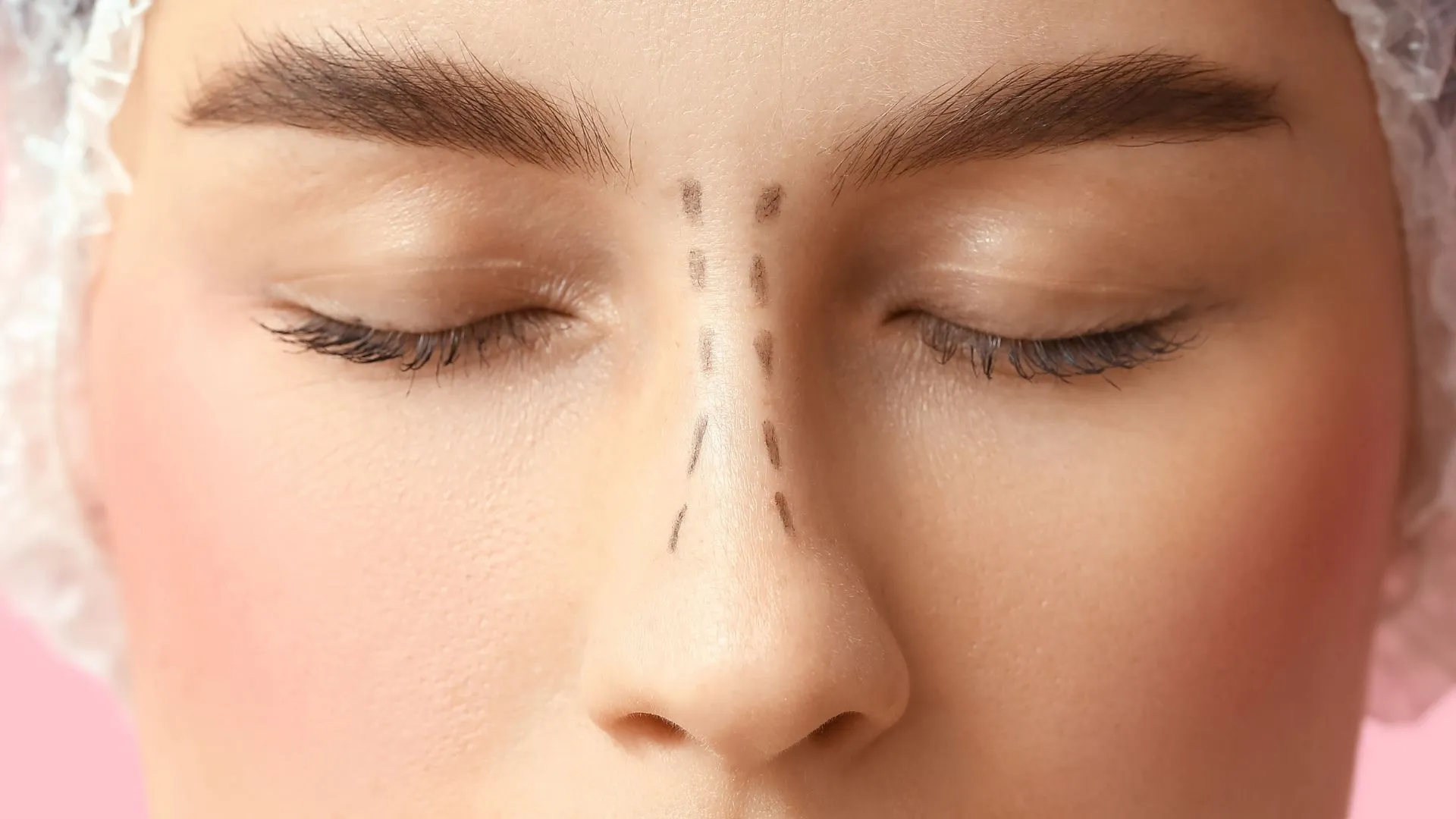
What is a Revision Rhinoplasty?
The question, What is a revision rhinoplasty?, frequently arises when individuals are dissatisfied with the outcome of their initial nose surgery or experience functional issues following the primary procedure. Understanding what is a revision rhinoplasty is crucial for patients seeking corrective solutions for aesthetic or respiratory complications stemming from a previous operation. Unlike a primary rhinoplasty, a revision rhinoplasty—often referred to as a secondary rhinoplasty or revision nose job—is inherently more challenging, requiring specialized expertise and often involving complex reconstruction techniques. Prof. Dr. Selçuk İnanlı, an Istanbul Burun Estetiği Uzmanı and highly specialized surgeon in facial plastic surgery, understands the delicate nature of these complex cases. His profound knowledge, coupled with his EAFPS certification, ensures that patients receive meticulous care when addressing the intricate structural deficiencies often present in a failed rhinoplasty correction. Defining what is a revision rhinoplasty involves recognizing it as a nuanced surgical intervention aimed at improving both the aesthetic appearance and the functional performance of a nose that has previously undergone surgery.
The Fundamental Differences Between Primary and Revision Rhinoplasty
A primary rhinoplasty operates on untouched anatomical structures, making tissue manipulation and predictable outcomes somewhat simpler. Conversely, revision rhinoplasty deals with scar tissue, altered cartilage, and potentially compromised blood supply. This environment demands a more sophisticated and cautious approach. Knowing what is a revision rhinoplasty means acknowledging these challenges. Secondary rhinoplasty requires the surgeon to be a reconstructive specialist, often needing to harvest cartilage from the septum, ear, or rib to rebuild structural support lost or damaged during the initial surgery. Therefore, seeking an expert who routinely performs revision rhinoplasty is paramount for successful results.
Deep Dive into What is a Revision Rhinoplasty: Defining Its Scope and Goals
To fully grasp What is a revision rhinoplasty?, we must look beyond simply fixing a mistake. It is a highly tailored procedure designed to address residual deformities or newly developed issues. These issues can be primarily cosmetic, such as persistent bumps or asymmetry, or functional, like persistent nasal obstruction requiring revision septorhinoplasty.
Common Reasons Why Patients Seek Revision Rhinoplasty
Patients typically seek a revision nose job when their initial results fail to meet aesthetic expectations or when physical symptoms, such as difficulty breathing, persist or worsen. A common scenario is when the nose appears unnatural, pinched, or overly scooped. Understanding the underlying cause of the failure is the first step in planning a successful secondary nose surgery.
Aesthetic Imperfections Requiring Revision
Many patients are distressed by residual aesthetic defects. These can include a pollybeak deformity (excess tissue above the nasal tip), an asymmetrical nasal tip, a scooped bridge, or visible irregularities under thin skin. For these complex cases, the revision rhinoplasty procedure must carefully reconstruct the nasal framework.
Functional Deficiencies Necessitating Revision
Functional issues are often more serious. They can involve the collapse of the internal or external nasal valves, leading to chronic nasal congestion. This often requires structural support using robust cartilage grafting revision. The functional goals of revision rhinoplasty are just as important as the cosmetic ones, ensuring the patient achieves both form and proper breathing.
The Crucial Role of Consultation in Planning Revision Rhinoplasty
The revision surgery consultation is perhaps the most critical step in the entire process. Given the complexity, the surgeon must thoroughly analyze the patient’s history, surgical records, and current nasal structure. This analysis determines the precise scope of the complex rhinoplasty.
Detailed Analysis of the Nasal Structure
An experienced revision nose surgery expert will use advanced imaging techniques to assess the remaining cartilage, bone structure, and the extent of internal scarring. This helps identify structural weaknesses that were overlooked or created during the primary procedure. This meticulous planning dictates the need for specialized reconstructive rhinoplasty techniques.
Identifying Available Graft Material
In many revision rhinoplasty cases, the nasal septum has already been depleted of cartilage. Therefore, the surgeon must plan for alternative graft sources, such as conchal (ear) cartilage or costal (rib) cartilage. Prof. Dr. İnanlı utilizes his extensive experience to determine the most stable and appropriate graft material to ensure long-term stability in the correcting primary rhinoplasty.
Setting Realistic Expectations for Revision Aesthetic Surgery
Because scar tissue is present and blood supply may be altered, the healing process in secondary rhinoplasty can be slower and slightly less predictable than primary surgery. The surgeon must openly discuss the potential limitations and achievable outcomes with the patient, setting realistic revision outcomes.
Advanced Techniques in the Revision Rhinoplasty Procedure
Due to the structural deficits commonly encountered, most revision rhinoplasty procedures are performed using the open technique. This provides the necessary visibility to address existing scar tissue and precisely place structural grafts needed for stability and aesthetic refinement.
Rebuilding the Foundation with Cartilage Grafts
The cornerstone of a successful revision rhinoplasty is often the strategic use of cartilage grafts. These grafts are essential for correcting valve collapse, strengthening the nasal tip, and establishing a smooth dorsum. The meticulous carving and placement of these grafts require the hands of a true specialist in complex rhinoplasty.
Specialized Approaches for Nasal Tip Deformities
Nasal tip deformities—such as a pinched tip, asymmetry, or blunted appearance—are frequent sequelae of primary surgery. In a revision rhinoplasty, the surgeon must use delicate suture techniques and often structural tip grafts (like shield grafts or lateral crural struts) to redefine and strengthen the nasal tip projection and rotation, addressing these rhinoplasty complications effectively.
Addressing Functional Issues through Revision Septorhinoplasty
If the initial surgery failed to adequately treat a deviated septum or if the septum was damaged during the primary procedure, a revision septorhinoplasty is required. This involves correcting the deviation and reconstructing the septal support to ensure patent airways and optimal breathing. This combined approach is often necessary when defining what is a revision rhinoplasty.
Recovery and Postoperative Care Following Revision Rhinoplasty
While the recovery process shares similarities with primary rhinoplasty, patients undergoing secondary nose surgery must be prepared for potentially prolonged swelling, especially in the nasal tip. This is due to the previous surgical trauma and resulting scar formation.
Managing Swelling and Scarring
Aggressive management of swelling is vital following revision rhinoplasty. This includes diligent use of cold compresses, elevation of the head, and strict adherence to the surgeon’s instructions. In some cases, steroid injections may be used post-operatively to soften and minimize scar tissue formation, ensuring the best long-term aesthetic result from the revision aesthetic surgery.
Long-Term Follow-Up and Monitoring
Since final results can take up to two years to fully manifest after a complex rhinoplasty, consistent long-term follow-up with the experienced revision surgeon is necessary. This monitoring allows the surgeon, such as Prof. Dr. İnanlı in Istanbul, to intervene early if minor issues arise during the healing phase. For patients considering this critical surgery, Prof. Dr. İnanlı’s detailed guidance can be found on his expertise page: Prof. Dr. Selçuk İnanlı.
Choosing the Expert for Your Revision Rhinoplasty
Selecting a surgeon who specializes in revision rhinoplasty is the single most important decision. Given the anatomical alterations, minimal margin for error, and the emotional toll on the patient, true specialization is non-negotiable.
The Importance of Experience and Certification
Look for a surgeon with recognized qualifications, such as board certification and membership in prestigious organizations like the EAFPS. Surgeons like Prof. Dr. Selçuk İnanlı, based in Istanbul and possessing deep knowledge of both ENT and facial plastic surgery, are uniquely positioned to handle both the aesthetic and functional challenges of a revision rhinoplasty. You can learn more about choosing the right surgeon here: Choosing the Right Rhinoplasty Surgeon.
Evaluating the Surgeon’s Approach to Complex Cases
During the consultation, assess the surgeon’s philosophy regarding the use of grafts, their approach to scar management, and their understanding of the underlying causes of the failed rhinoplasty symptoms. An expert will provide a clear, comprehensive plan for your revision nose job.

Why is Turkey so good at Rhinoplasty Revision?
The question, Why is Turkey so good at rhinoplasty revision?, resonates globally among patients seeking complex nasal corrective surgery. Turkey, particularly Istanbul, has solidified its reputation as a premier destination for cosmetic and reconstructive procedures, achieving unparalleled distinction in the field of revision rhinoplasty. This superior status is not accidental; it is the culmination of strategic investments in healthcare, the development of highly specialized surgeons, and a commitment to providing advanced, yet affordable revision rhinoplasty Turkey options. For patients worldwide, including those requiring highly complex secondary nose surgery, the reasons why is Turkey so good at rhinoplasty revision are multifaceted, combining high-volume experience, utilization of cutting-edge technology, and exceptional value. Surgeons like Prof. Dr. Selçuk İnanlı, a distinguished Istanbul revision surgeon with EAFPS certification, exemplify the quality and expertise that draw international clientele for demanding procedures like revision rhinoplasty.
High Volume and Accumulated Expertise: The Foundation of Turkey’s Dominance
One of the most compelling answers to Why is Turkey so good at rhinoplasty revision? lies in the sheer volume of cases handled annually. As a global hub for medical tourism, Turkish surgeons gain vast experience across diverse patient demographics and complex nasal anatomies, far exceeding the volume seen in many Western countries.
The Learning Curve Advantage in Revision Rhinoplasty
Revision rhinoplasty is considered one of the most challenging plastic surgery procedures. High-volume centers, particularly those specializing in facial aesthetics in Istanbul, enable surgeons to rapidly refine their techniques and master complex reconstructive approaches, such as advanced cartilage grafting and micro-reconstruction. This constant exposure translates directly into Turkey rhinoplasty expertise and a higher degree of proficiency.
The Role of Leading Revision Specialists Istanbul
Leading practitioners, like Prof. Dr. İnanlı, dedicate significant portions of their practice to complex rhinoplasty revision. Their specialization means they are intimately familiar with the myriad complications arising from failed primary surgeries, ensuring they possess the specific skill set required for successful complex nasal correction Turkey.
Commitment to Advanced Techniques and Technology
Turkish clinics invest heavily in state-of-the-art medical technology. For revision rhinoplasty, the implementation of devices like Piezo ultrasonic technology for precise bone shaping, advanced 3D imaging for surgical planning, and sophisticated anesthesia monitoring contribute significantly to improved outcomes and patient safety. This commitment reinforces why is Turkey so good at rhinoplasty revision.
Utilizing Advanced Techniques Rhinoplasty Turkey
Surgeons are adept at utilizing both open and closed techniques, selecting the approach based on the complexity of the revision. They frequently employ costal (rib) cartilage grafts, which require specialized training and skill, ensuring robust structural support necessary for a stable and aesthetically pleasing result in revision rhinoplasty.
Unbeatable Value and Affordability: Attracting Global Medical Tourism
The economic factor is undeniably crucial when discussing Why is Turkey so good at rhinoplasty revision?. Patients from Europe, the UK, and the Americas often face prohibitive costs for revision rhinoplasty in their home countries. Turkey provides a world-class standard of care at a significantly more cost-effective cosmetic surgery Turkey price point.
Detailed Cost-Effective Cosmetic Surgery Turkey Analysis
While the revision rhinoplasty cost is lower in Turkey, this does not reflect a compromise in quality. Instead, it reflects lower operational overheads, favorable exchange rates, and governmental support for the healthcare sector. This means patients receive top-tier care from world-class revision surgeons without the hefty price tag associated with Western medical systems. You can explore general rhinoplasty factors here: Rhinoplasty Prices Factors.
Comprehensive Revision Care Turkey Packages
Many best revision rhinoplasty clinics Istanbul offer all-inclusive packages that simplify the process for international patients. These packages typically cover the surgery, anesthesia, hospital stay, post-operative medications, and even luxury accommodation and travel coordination. This integrated approach makes the journey for medical tourism revision nose job patients seamless and stress-free.
Expertise and Accreditation: Establishing Clinical Trust
The trust placed in Turkish medical institutions and surgeons is supported by robust accreditation and educational rigor. Many experienced facial plastic surgeons Turkey have trained or observed at leading institutions worldwide, bringing global best practices back to Istanbul.
The Importance of EAFPS Certified Surgeons Turkey
Prof. Dr. Selçuk İnanlı’s status as an EAFPS certified surgeon Turkey (European Academy of Facial Plastic Surgery) highlights the high standards of specialization and competency maintained by leading Turkish professionals. This certification assures patients of specialized expertise in intricate facial surgery, which is vital for revision rhinoplasty procedures.
Academic Excellence and Continuous Training
Turkish medical universities, including Marmara University where Prof. Dr. İnanlı serves as a Professor, are renowned for rigorous surgical training programs. This environment fosters continuous learning and specialization in demanding subfields like facial plastic and reconstructive surgery, cementing the answer to Why is Turkey so good at rhinoplasty revision?
Prioritizing the International Patient Experience
For the global patient, the experience outside the operating room is nearly as important as the surgery itself. Istanbul revision surgeons excel in providing exceptional support and service tailored to international visitors.
Dedicated International Patient Services
Clinics catering to international patients offer multilingual coordination teams who handle logistics, translation, and communication, ensuring clarity and comfort throughout the patient’s stay. This level of support significantly enhances the overall experience of pursuing a revision nose job abroad.
Meticulous Pre- and Post-Operative Care
The focus on comprehensive pre-operative consultations, often involving virtual assessments, and meticulous post-operative follow-up is standard practice. This detailed care ensures that the high success rate Turkey rhinoplasty reputation is maintained, minimizing complications and optimizing recovery. Learn more about the recovery process here: Revision Rhinoplasty Treatment and Recovery.
Prof. Dr. Selçuk İnanlı: A Prime Example of Turkey Rhinoplasty Expertise
Prof. Dr. Selçuk İnanlı embodies the reasons Why is Turkey so good at rhinoplasty revision?. His dual specialization in ENT and Facial Plastic Surgery means he is equipped to handle both the aesthetic complexities and the functional reconstruction often required in secondary rhinoplasty.
Combining Functionality and Aesthetics in Complex Revision
Successful revision rhinoplasty necessitates an understanding of both form and function. Prof. Dr. İnanlı’s background allows for a combined approach—a revision septorhinoplasty—to simultaneously correct breathing issues (like deviated septum) and aesthetic defects, ensuring a holistic outcome. You can review his credentials and approach on the About Us page: Prof. Dr. Selçuk İnanlı.
The Long-Term Commitment to Patient Satisfaction
Leading Turkish specialists prioritize long-term results. They employ durable grafting techniques and ensure sufficient structural support to prevent late-term deformities, thereby upholding the reputation for high success rate Turkey rhinoplasty procedures. The rigorous standards applied here ensure the longevity of the surgical result.
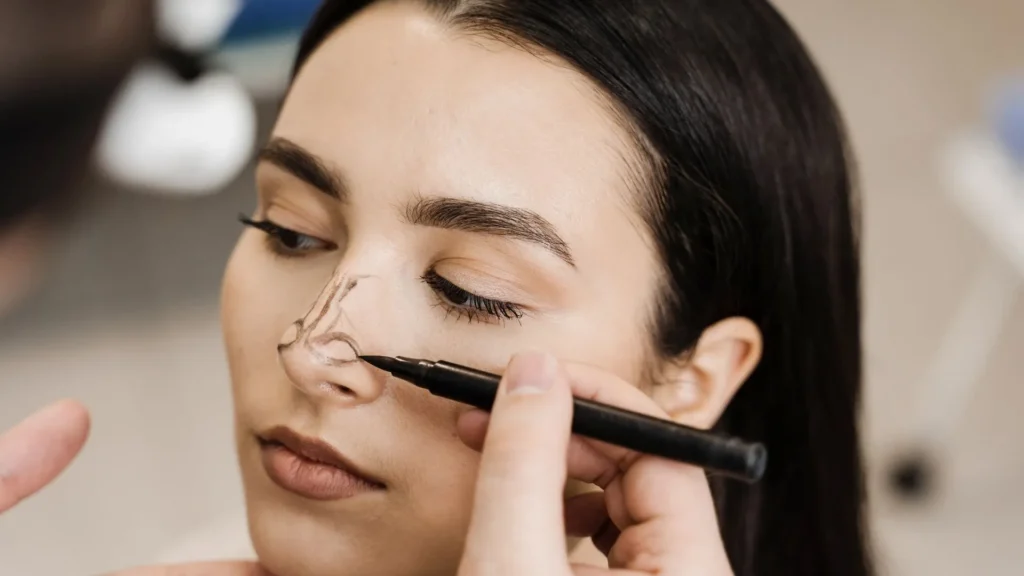
Revision Rhinoplasty Frequently Asked Questions
What does revision rhinoplasty mean?
Revision rhinoplasty is a second (or additional) nose surgery done to fix aesthetic or breathing problems after a previous rhinoplasty.
What is ultrasonic revision rhinoplasty?
It is a revision procedure where ultrasonic (piezo) technology is used to reshape the nasal bones more precisely, usually with less tissue damage and bruising.
What is closed revision rhinoplasty?
It is a technique in which all incisions are made inside the nose, leaving no visible scars and often allowing faster recovery.
What is rib revision rhinoplasty?
It is a revision surgery that uses cartilage taken from the patient’s rib to rebuild and support the nose when there is not enough natural cartilage left.
What to expect with revision rhinoplasty?
Revision surgery is more complex than the first operation, swelling may last longer, and final results usually become visible within 6–12 months.
Revision Rhinoplasty Success Rate
When considering corrective surgery, patients frequently inquire about the revision rhinoplasty success rate. This metric is profoundly important, as secondary rhinoplasty inherently faces greater challenges due to existing scar tissue, compromised cartilage structure, and altered blood supply from the primary procedure. Understanding the true revision rhinoplasty success rate involves defining what constitutes a successful outcome and identifying the crucial factors influencing successful revision. Prof. Dr. Selçuk İnanlı, a renowned Istanbul revision specialist and expert in facial plastic surgery, approaches every secondary case with the goal of maximizing revision rhinoplasty success rate by applying meticulous planning and advanced reconstructive techniques. While the success rate for revision surgery is generally cited as slightly lower than primary rhinoplasty, specialized expertise significantly improves the secondary rhinoplasty probability of success.
Defining and Measuring Revision Rhinoplasty Success Rate
The accurate definition of successful revision must encompass both functional restoration and aesthetic enhancement. Success is measured not only by the surgeon’s technical execution but also by the patient’s long-term satisfaction and improved quality of life.
The Dual Metrics of Success: Function and Aesthetics
A truly successful revision rhinoplasty achieves two primary objectives: first, resolving any breathing difficulties, which directly relates to the functional improvement success rate; and second, correcting aesthetic deformities to create a balanced, natural-looking nose. When both goals are met, the revision rhinoplasty success rate is judged to be high.
Complexity vs Success Rate
There is a direct relationship between the complexity vs success rate. Simple revisions, often termed ‘touch-ups,’ have a higher success rate. Highly complex reconstructive cases involving substantial cartilage loss require immense surgical skill and carry a marginally higher risk, yet an expert surgeon success statistics shows that specialized care can mitigate this risk significantly.
Revision Rhinoplasty Statistics and Expert Data
Generalized revision rhinoplasty statistics can vary widely based on the surgeon’s experience. Highly specialized, high-volume centers often report success rates comparable to primary surgery. Choosing a surgeon with verifiable specialization in revision rhinoplasty is the most effective way of improving revision rhinoplasty success rate. Learn more about complex revisions here: Revision Rhinoplasty Overview.
Key Factors Influencing Successful Revision Outcomes
Several critical elements, both within the surgeon’s control and the patient’s adherence, determine the final revision rhinoplasty success rate.
Surgeon Experience and Advanced Surgical Techniques Impact
The selection of a surgeon is the most powerful determinant of a high revision rhinoplasty success rate. An experienced surgeon success statistics portfolio will demonstrate proficiency in cartilage harvesting and grafting, essential for achieving long-term structural integrity. Prof. Dr. İnanlı utilizes advanced surgical techniques impact to ensure optimal results, which helps in reducing revision failure.
Surgical Precision Revision Success
Precision is non-negotiable in revision surgery. Scar tissue distorts anatomy, demanding enhanced surgical precision revision success to accurately place grafts and reshape contours. Surgeons focusing on facial plastic surgery are inherently trained to deliver this high degree of precision.
Patient Expectations and Success
Misaligned patient expectations and success are common causes of perceived failure, even with technically successful operations. Open, honest communication during the consultation is necessary to establish realistic revision outcomes. A successful outcome is one that aligns with the patient’s informed expectations and achieves maximal aesthetic correction likelihood.
Patient Compliance and Outcome
Post-operative care is vital for the revision rhinoplasty success rate. Strict adherence to the surgeon’s instructions, including avoiding physical activity, proper wound care, and managing swelling, directly impacts patient compliance and outcome. Compliance is key to optimal long-term results and assessing long-term success.
Strategies for Maximizing Revision Rhinoplasty Success Rate
Specialized surgeons employ specific strategies to ensure high procedural success and enhance the secondary rhinoplasty probability of success.
Careful Pre-Operative Planning and Diagnosis
Prior to surgery, advanced diagnostic tools, such as CT scans, are utilized to assess the status of the septum, internal valves, and bone structure. This rigorous planning ensures the surgeon addresses all underlying issues, not just the visible deformities, thereby maximizing revision rhinoplasty success rate. Review our planning process here: Nose Analysis and Preparation Before Rhinoplasty.
Stable Structural Reconstruction
The use of robust structural grafts, particularly rigid rib cartilage, is a key strategy for reducing revision failure. These grafts provide the necessary scaffolding to maintain the nose’s new shape and function over decades, ensuring the longevity required for assessing long-term success.
Minimizing the Need for Tertiary Surgery
The ultimate measure of success is minimizing the need for tertiary surgery. By ensuring comprehensive correction during the first revision—addressing both form and function—specialists significantly increase the likelihood that the revision is the final procedure. This careful, comprehensive approach is a hallmark of Istanbul revision specialists success.

Revision Rhinoplasty Before and After
For individuals navigating the emotional and physical aftermath of a primary nose job that yielded unsatisfactory results, viewing detailed documentation of revision rhinoplasty before and after cases is essential. The analysis of revision rhinoplasty before and after photographic evidence provides prospective patients with a crucial understanding of the transformative potential inherent in secondary rhinoplasty results, while also grounding their expectations in reality. Revision rhinoplasty before and after comparisons showcase the dedication and surgical mastery required to successfully perform a complex nasal correction. Prof. Dr. Selçuk İnanlı, an expert in Istanbul revision rhinoplasty, emphasizes that achieving excellent long-term revision results requires meticulous planning and transparent communication regarding the anticipated changes throughout the patient’s rhinoplasty correction patient journey.
The Significance of Visual Evidence: Analyzing Revision Rhinoplasty Before and After
Revision rhinoplasty before and after images are more than just marketing tools; they are vital diagnostic and educational resources. They demonstrate the surgeon’s ability to tackle profound structural deficiencies and soft tissue irregularities resulting from prior surgery, often presenting a stark contrast between the initial unsatisfactory state and the final refined outcome.
Documenting the Failed Rhinoplasty Transformation
The ‘before’ phase in revision rhinoplasty before and after often illustrates common primary rhinoplasty complications, such as a pinched tip, inadequate projection, a saddle nose deformity, or persistent crookedness. The ‘after’ images, particularly those showcasing secondary rhinoplasty results, should highlight a natural, balanced nose that harmonizes with overall facial features. This dramatic shift represents a true failed rhinoplasty transformation.
Addressing Specific Cosmetic Defects
An effective secondary nose job visual guide will display corrections of specific defects. For example, photos might illustrate the reconstruction of a collapsed nasal valve for functional improvement, alongside the aesthetic refinement of a pollybeak deformity. These detailed aesthetic nose correction photos provide tangible evidence of what an experienced surgeon can achieve in addressing cosmetic defects.
Setting Realistic Revision Outcomes
It is crucial for patients to understand that the ‘before’ state—which includes existing scar tissue and manipulated cartilage—makes achieving perfection challenging. Analyzing genuine revision rhinoplasty before and after photos helps set realistic revision outcomes. A skilled surgeon focuses on significant improvement, functional restoration, and long-term stability rather than unattainable ideals.
The Journey: From Consultation to Long-Term Revision Results
The planning stage for revision rhinoplasty is critical, setting the stage for successful pre and post revision surgery outcomes. The surgeon must meticulously assess the existing structures to determine the appropriate revision rhinoplasty procedure, which often dictates the extent of the nasal contouring before and after.
What to Expect During the Pre and Post Revision Surgery Phase
Pre-surgery planning involves detailed 3D imaging and analysis. Post-surgery, the initial weeks show significant changes, but the true secondary rhinoplasty results take time. Patients must anticipate a protracted recovery period compared to primary rhinoplasty due to the complexity of the procedure and the presence of scar tissue.
Understanding the Recovery Timeline Revision Nose Job
While major swelling subsides within the first few months, subtle swelling, particularly in the nasal tip, can persist for up to two years. The most satisfying visual evidence revision rhinoplasty often emerges around the one-year mark. Detailed patient guidance on the recovery process can be found here: Revision Rhinoplasty Treatment and Recovery Process.
Functional Improvement After Revision
Often, the most profound changes documented in revision rhinoplasty before and after comparisons relate to functional recovery. Patients suffering from chronic nasal obstruction often report a dramatic functional improvement after revision septorhinoplasty. The ability to breathe freely is a non-visual, yet highly impactful element of the rhinoplasty correction patient journey.
Expert Techniques for Achieving Exceptional Before and After Results
Prof. Dr. Selçuk İnanlı’s expertise is reflected in his careful selection of advanced techniques designed to ensure durable and aesthetically superior long-term revision results. The use of robust grafting material is crucial for stability.
The Use of Cartilage Grafts in Nasal Contouring Before and After
In most complex revisions, structural support must be rebuilt using rib or ear cartilage grafts. These grafts are essential for nasal contouring before and after to provide strength, correct structural deficiencies, and guarantee the nose retains its shape over time. The precise placement of these grafts ensures achieving natural results revision.
The Revision Septorhinoplasty Comparison
When reviewing revision rhinoplasty before and after cases involving significant septal deviation, the revision septorhinoplasty comparison clearly demonstrates the restoration of the internal nasal passageway, alongside external aesthetic improvements. This dual approach is vital when the primary surgery failed both aesthetically and functionally.
The Importance of Surgeon Selection and Patient Satisfaction
High-quality revision rhinoplasty before and after documentation is a hallmark of an experienced and ethical surgeon. It reflects their competency in handling diverse and challenging surgical scenarios.
Evaluating an Experienced Surgeon Revision Gallery
When reviewing a surgeon’s portfolio, focus not just on the overall outcome but on cases that match your specific deformities. An experienced surgeon revision gallery should show consistency, detail the technical challenges overcome, and demonstrate high levels of patient satisfaction revision surgery. Prof. Dr. İnanlı’s commitment to patient success is evident across his complex cases. Learn more about his approach: What is a Revision Rhinoplasty?.
The Link Between Expertise and Expected Changes After Revision
Expert surgeons are better equipped to predict the expected changes after revision because they understand how previously operated tissues will heal. They use their knowledge of scar tissue behavior and grafting material integration to guarantee that the final long-term revision results align closely with the pre-operative plan.
Revision Rhinoplasty Frequently Asked Questions
Is revision rhinoplasty worth it?
It can be worth it if you have functional problems or are unhappy with the appearance of your nose, and realistic expectations with an experienced surgeon.
How common is revision rhinoplasty?
Revision surgery is fairly common; about 5–15% of rhinoplasty patients may seek a second procedure.
When to do revision rhinoplasty?
Revision should only be done after the nose has fully healed, usually at least 9–12 months after the first surgery.
When is a revision rhinoplasty needed?
It is needed if there are breathing problems, asymmetry, collapse, deformities, or unsatisfactory cosmetic results.
When can I do revision rhinoplasty?
Most patients can consider revision surgery one year after their initial rhinoplasty, once swelling and scar tissue have settled.
Is revision rhinoplasty dangerous?
It is generally safe in expert hands, but it is more complex than primary surgery and carries slightly higher risks due to scar tissue and weaker structures.
Revision Rhinoplasty Procedure
The journey toward a perfect nose is not always linear. When the initial rhinoplasty fails to meet aesthetic or functional goals, patients often turn to a Revision Rhinoplasty Procedure. This secondary surgery is widely acknowledged as one of the most intricate and challenging operations in facial plastic surgery, demanding exceptional skill, extensive experience, and nuanced judgment from the surgeon. Unlike primary rhinoplasty, a Revision Rhinoplasty Procedure deals with altered anatomy, scar tissue, and often, depleted cartilage reserves, making the complexity exponentially higher. For those seeking solutions after a dissatisfying initial operation, understanding the specifics of the Revision Rhinoplasty Procedure is crucial. Prof. Dr. Selçuk İnanlı specializes in these complex cases, offering patients a path toward achieving the harmony and function they initially desired. When considering a secondary nose job techniques, patients must prioritize selecting a highly qualified revision rhinoplasty specialist who possesses dual expertise in both aesthetic and functional correction.
Understanding the Need for a Revision Rhinoplasty Procedure
Patients seek a Revision Rhinoplasty Procedure for a wide array of reasons, which can be broadly categorized into aesthetic deficiencies and persistent or newly developed functional impairments. These challenges necessitate a specialized approach tailored to the unique complexities left by the previous operation.
Common Aesthetic Issues Requiring Correction
Aesthetic dissatisfaction is the most frequent trigger for seeking a Revision Rhinoplasty Procedure. Issues can range from overly aggressive reduction resulting in a ‘scooped’ profile, persistent asymmetry, bossing (visible cartilage irregularities), or a nasal tip that is too pinched, bulbous, or dropped. The goal of the secondary operation is precise aesthetic correction surgery, restoring natural contours and achieving proportionality.
Addressing the Over-Reduced or ‘Polly Beak’ Deformity
One of the most challenging outcomes of primary surgery is the ‘polly beak’ deformity, where the supratip area above the tip remains full, creating a curved profile resembling a parrot’s beak. Correcting this often involves adding structure to the nasal bridge or removing excess scar tissue. This complexity underscores why the Revision Rhinoplasty Procedure is reserved for expert hands, capable of intricate nasal reconstruction.
Resolving Functional Issues After Primary Rhinoplasty
Post-operative functional decline, such as persistent or worsening breathing difficulty, is a serious concern. This can be caused by collapse of the internal nasal valves, uncontrolled scar formation, or inadequate correction of a underlying septal deviation during the initial operation. Addressing functional issues after rhinoplasty often requires robust structural support using specialized grafts.
The Importance of Revision Septorhinoplasty
If the initial surgery failed to correct the septum or caused new septal deformities, a revision septorhinoplasty is necessary. This procedure focuses on rebuilding the central support structure while simultaneously performing aesthetic refinements. A thorough assessment of the internal anatomy is the first critical step in every Revision Rhinoplasty Procedure to ensure long-term functional stability.
The Technical Challenges of the Revision Rhinoplasty Procedure
Performing a Revision Rhinoplasty Procedure presents numerous surgical hurdles that differentiate it significantly from primary surgery. Scar tissue, altered blood supply, and limited resources demand mastery of advanced revision techniques.
Dealing with Scar Tissue and Altered Anatomy
Previous surgery inevitably results in scar tissue, making dissection and tissue manipulation difficult and unpredictable. The surgeon must carefully navigate this altered anatomy to identify the remaining native structures and plan the reconstruction. This delicate phase requires meticulous surgical skill to minimize further trauma and ensure proper healing, classifying the procedure as a truly difficult nose surgery.
The Strategic Use of Grafts in Revision Rhinoplasty
Cartilage grafting is foundational to almost every Revision Rhinoplasty Procedure. Since the septal cartilage is often depleted, the surgeon must harvest cartilage from other sources, such as the ear (conchal cartilage) or the rib (costal cartilage). These grafts in revision rhinoplasty are used to rebuild the structural support, correct deformities, and reshape the nose, ensuring stability and defining new contours.
Comprehensive Secondary Rhinoplasty Consultation
Selecting the right time and the right surgeon for a Revision Rhinoplasty Procedure is paramount. A waiting period of at least 12 to 18 months post-primary surgery is typically recommended to allow for maximum scar softening and swelling reduction. The secondary rhinoplasty consultation is intensive, involving detailed analysis of previous operative reports, high-resolution internal nasal examination, and photographic assessment.
Choosing a Revision Surgeon: Why Experience Matters
When considering a complex revision rhinoplasty, the surgeon’s experience and specialization are the most important factors. Prof. Dr. İnanlı’s background in ENT and Facial Plastic Surgery ensures he is uniquely equipped to handle both functional reconstruction and aesthetic refinement simultaneously. Patients must diligently research and choose a proven revision rhinoplasty specialist to minimize revision rhinoplasty risks and achieve satisfactory outcomes. You can see his expertise demonstrated in the various treatments offered on the site, including Revision Rhinoplasty treatment and recovery process.
Planning and Execution of the Revision Rhinoplasty Procedure Steps
The planning phase for a Revision Rhinoplasty Procedure is highly individualized and typically relies on the open technique, which provides the best visualization for intricate structural work. This methodology allows the surgeon to assess damage and accurately place grafts.
Detailed Analysis and Surgical Strategy
Before the operation, a detailed plan, known as the revision rhinoplasty steps, is developed. This plan outlines where structural support is needed, the type of grafts required, and the precise millimetric adjustments for aesthetic improvement. The strategy focuses on overcoming anatomical deficits left by the initial operation, ensuring robust, long-lasting results. This is the difference between simple touch-ups and a complete structural revision nose job.
Utilizing Custom Grafts for Reconstruction
In severe cases, custom-made PEEK implants or irradiated costal cartilage may be necessary if autologous (patient’s own) cartilage is insufficient. However, autologous rib cartilage remains the gold standard for robust reconstruction in a Revision Rhinoplasty Procedure, offering the greatest chance of biological acceptance and long-term stability. The planning process must account for the optimal placement and fixation of these grafts to rebuild the nasal framework.
The Revision Rhinoplasty Procedure Recovery
Recovery from a Revision Rhinoplasty Procedure can sometimes be longer and involve more initial swelling than primary surgery, due to the extensive tissue manipulation and grafting. However, patient compliance with post-operative care is key to mitigating these effects.
Navigating the Revision Rhinoplasty Recovery Timeline
Initial swelling usually subsides significantly within the first two weeks, but due to the need for rebuilding and scar tissue management, the full maturation of the nose can take longer—up to 18 months or even two years. Patients must be prepared for a marathon, not a sprint, when undergoing a Revision Rhinoplasty Procedure recovery. Patience is a virtue, especially when seeking excellent, long-term revision nose reshaping.
Post-Operative Care and Managing Swelling
Strict adherence to the post-operative regimen—including head elevation, cold compresses, and avoiding strenuous activity—is essential. The use of specialized taping or splinting may be prolonged to help contour the skin over the newly reconstructed framework. Frequent check-ins with the revision rhinoplasty specialist are mandatory to monitor healing and manage any complications swiftly. For assistance with scheduling, please check our Contact information.
Psychological Resilience and Revision Rhinoplasty Goals
Patients seeking a Revision Rhinoplasty Procedure often arrive with a unique emotional landscape, characterized by disappointment or anxiety from their previous experience. Addressing this psychological component is just as important as the surgical execution.
Setting Realistic Revision Rhinoplasty Goals
During the secondary rhinoplasty consultation, Prof. Dr. İnanlı emphasizes setting clear, achievable revision rhinoplasty goals. It is essential to manage expectations, acknowledging that a secondary operation aims to significantly improve the existing result, often correcting complex structural deficits, rather than aiming for an idealized, unrealistic outcome. Transparency and honesty build the necessary trust for this difficult phase.
The Transformative Power of Successful Secondary Surgery
Successfully correcting failed rhinoplasty can be profoundly transformative. When function is restored and the aesthetic outcome is harmonious, patients experience a massive boost in confidence and self-acceptance. The dedication involved in tackling such a complex revision rhinoplasty highlights the commitment of the surgical team to patient well-being, transforming prior negative experiences into positive surgical success.
Why Choose Prof. Dr. Selçuk İnanlı for Revision Rhinoplasty in Istanbul?
Istanbul has established itself as a leading international center for complex aesthetic procedures. Prof. Dr. İnanlı’s reputation as an expert in istanbul revision rhinoplasty draws patients globally seeking reliable, high-standard care.
Specialization in Complex Nasal Reconstruction
Prof. Dr. İnanlı’s specialized training and board certification in Facial Plastic Surgery make him adept at handling the most difficult cases, including those requiring extensive nasal reconstruction after rhinoplasty. His use of the open approach and mastery of intricate cartilage grafting techniques ensure the highest level of structural support and aesthetic precision, crucial for mitigating the inherent difficulties of a Revision Rhinoplasty Procedure.
Commitment to Patient Safety and Long-Term Results
Patient safety and long-term nasal health are prioritized throughout the Revision Rhinoplasty Procedure. By focusing on robust structural integrity rather than quick fixes, Prof. Dr. İnanlı aims for results that stand the test of time, correcting both visible deformities and invisible functional issues. This holistic approach ensures that the investment in a Revision Rhinoplasty Procedure yields lasting satisfaction and health benefits. Consult his profile here: Prof. Dr. Selçuk İnanlı.
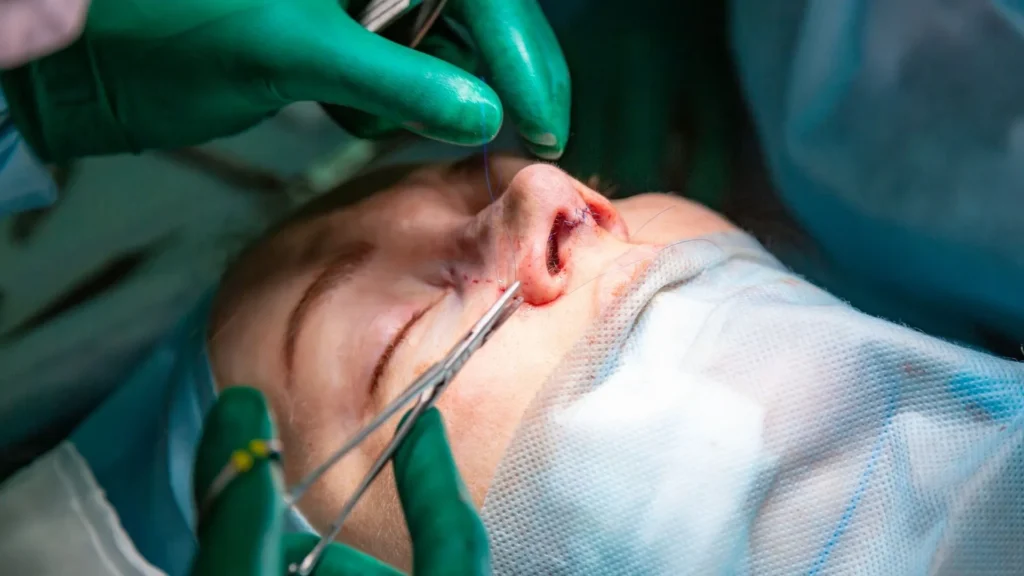
Revision Rhinoplasty Cost
The decision to undergo secondary nasal correction is often preceded by a thorough investigation into the expenses involved. Understanding the revision rhinoplasty cost is critical, as this procedure is typically more complex, demanding greater skill and resources than a primary nose job. The revision rhinoplasty cost reflects the increased surgical difficulty, extended operating time, and the necessity of highly specialized expertise required for complex nasal correction expenses. For patients considering a secondary nose job price, particularly international patients, Turkey—and Istanbul specifically—presents an appealing option, offering high-quality care at a more accessible rate. Prof. Dr. Selçuk İnanlı, an acclaimed Istanbul Burun Estetiği Uzmanı, emphasizes transparency in the revision rhinoplasty price breakdown, ensuring patients fully appreciate the value of specialized revision surgery.
Key Factors Affecting Revision Rhinoplasty Cost
The revision rhinoplasty cost is highly variable and dependent on several interacting factors. Unlike standard cosmetic surgery, revision cases involve dealing with previously altered anatomy, scar tissue, and often, depletion of structural cartilage. These elements significantly influence the final secondary nose job price.
Complexity of the Case and Surgical Time
The primary determinant of revision rhinoplasty cost is the complexity of the case. A minor touch-up is exponentially less expensive than a full nasal reconstruction requiring extensive cartilage grafting. More complex cases necessitate longer operating times and higher surgical facility fees.
Graft Material Costs
In many revisions, the surgeon must harvest cartilage grafts, often from the ear (conchal) or the rib (costal). The use of rib cartilage involves an additional surgical site, increasing both the duration of the procedure and the overall revision rhinoplasty cost due to associated labor and resources. These graft material costs are a significant component of the final quote.
The Surgeon Expertise Cost Factor
Experience is paramount in revision rhinoplasty. Surgeons who dedicate significant portions of their practice to secondary cases, like Prof. Dr. İnanlı, command fees commensurate with their specialized skills. This surgeon expertise cost factor reflects years of advanced training, lower complication rates, and a demonstrated ability to achieve predictable, superior results, ultimately helping in minimizing revision complications expense.
Accreditation and Specialization
Choosing an EAFPS certified surgeon who specializes in Facial Plastic Surgery ensures the highest level of care. While this expertise contributes to the revision rhinoplasty cost, it is an investment in minimizing the risk of a third surgery. This ensures the best high-quality revision surgery cost outcome.
Breaking Down the Revision Rhinoplasty Price Breakdown
A detailed revision rhinoplasty price breakdown typically encompasses several components, which patients should review carefully to understand where their funds are allocated. Transparency in pricing is a hallmark of ethical surgical practice.
Anesthesia and Operating Facility Fees
Revision rhinoplasty usually requires general anesthesia and a prolonged period in the operating theater. The anesthesia costs revision surgery are calculated based on the duration, and the surgical facility fees cover the use of the operating room, specialized equipment, nursing staff, and overnight stay, if required. These factors contribute significantly to the total secondary nose job price.
Pre-Operative Assessment and Post-Operative Care
The total revision rhinoplasty cost must also account for pre-operative consultations, diagnostic imaging (like CT scans), and comprehensive post-operative care, including dressings, medications, and follow-up appointments. This integrated care ensures a smooth recovery and is part of the commitment to high-quality revision surgery cost.
Geographic Location and Turkey Revision Rhinoplasty Prices
Location plays a major role in revision rhinoplasty cost analysis. Procedures in major Western cities typically cost significantly more due to high overheads. In contrast, Turkey revision rhinoplasty prices offer a distinct financial advantage, making affordable revision rhinoplasty accessible without sacrificing the quality of the procedure or the expertise of the surgeon. Learn more about the appeal of Turkey here: Explore the Magic of a Nose Job in Turkey.
Financial Considerations and Insurance Coverage
Navigating the financial aspect of revision rhinoplasty involves understanding potential financing options and whether the procedure qualifies for any insurance coverage for revision rhinoplasty.
When Insurance Coverage for Revision Rhinoplasty Applies
If the initial surgery resulted in significant functional impairment—such as nasal valve collapse or severe septal deviation leading to chronic breathing difficulty—the functional portion of the revision rhinoplasty procedure may be partially covered by insurance. However, the aesthetic components are almost always out-of-pocket, influencing the overall revision rhinoplasty cost.
Investing in Revision Surgery and Value
Patients should view the revision rhinoplasty cost as an investing in revision surgery—an investment in physical health, quality of life, and self-confidence. Choosing a highly qualified surgeon, even if their fee is higher, ultimately provides better value of specialized revision surgery by mitigating the risk of future complications and the necessity for yet another surgery.
Revision Rhinoplasty Frequently Asked Questions
How long to wait for revision rhinoplasty?
Most surgeons recommend waiting 9–12 months after the first surgery to allow full healing before considering revision.
Does revision rhinoplasty take longer to heal?
Yes, healing often takes longer due to scar tissue and previous changes to the nasal structures.
Can revision rhinoplasty be closed?
Yes, in some cases revision rhinoplasty can be done with the closed (endonasal) technique, but complex cases usually require an open approach.
Why revision rhinoplasty?
It is done to correct breathing problems, improve appearance, or fix structural issues left from a previous surgery.
Why is revision rhinoplasty more expensive?
It is more complex, takes longer to perform, and often requires advanced techniques and grafts, which increases the cost.
Why is revision rhinoplasty harder?
Scar tissue, altered anatomy, and limited remaining cartilage make the surgery technically more challenging than a first-time rhinoplasty.