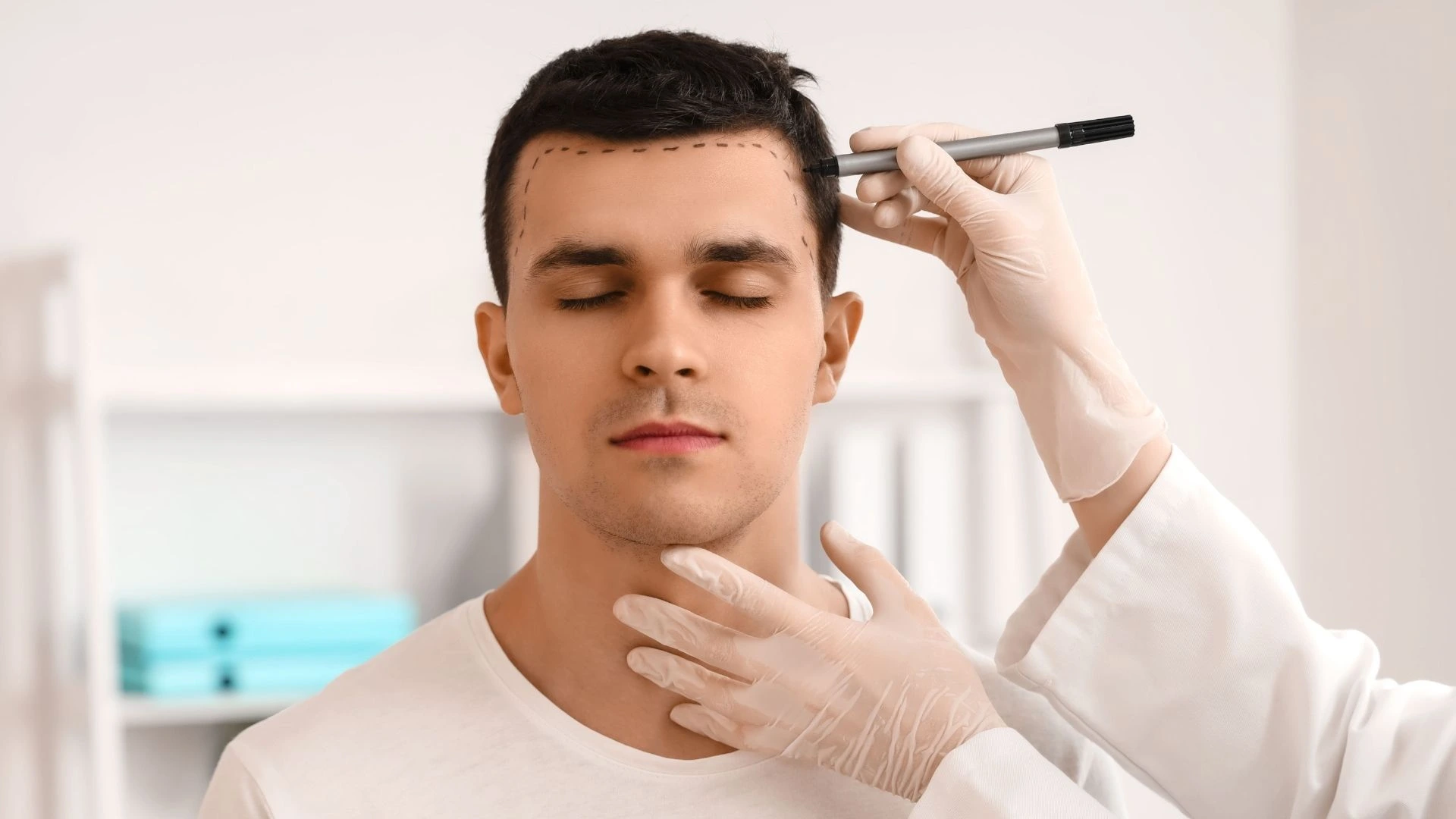
What is a forehead lift?
The pursuit of a refreshed and youthful facial appearance often leads individuals to explore various aesthetic surgical options. Among the most effective procedures targeting the signs of aging in the upper third of the face is the forehead lift. What is a forehead lift? Fundamentally, it is a specialized cosmetic surgical procedure designed to correct drooping eyebrows (brow ptosis) and reduce deep horizontal creases and frown lines across the forehead. This sophisticated procedure elevates the brow line, smoothing the skin and restoring a more alert, rested, and youthful expression. Prof. Dr. Selçuk İnanlı, a European Board Certified ENT & Facial Plastic Surgeon, approaches the forehead lift with a commitment to structural integrity and natural aesthetic outcomes. His method ensures that while the visible signs of aging are diminished, the resulting look remains harmonious with the patient’s overall facial structure. Understanding what is a forehead lift involves recognizing its vital role in balancing the facial features, especially in conjunction with other procedures like eyelid surgery (blepharoplasty) or a full facelift.
Defining the Forehead Lift: More Than Just Smoothing Wrinkles
To fully appreciate what is a forehead lift, we must look beyond wrinkle reduction. The procedure primarily addresses the descent of the eyebrows, which occurs naturally with age due to gravity and loss of collagen. When the eyebrows droop, they can crowd the upper eyelids, giving the appearance of fatigue, anger, or sadness. The forehead lift effectively repositions the underlying muscles and tissues, providing a durable solution for lifting the eyebrows and enhancing the periorbital area. This focus on long-term stability and functional aesthetics is crucial in modern facial plastic surgery.
The Anatomical Targets of a Successful Forehead Lift
A forehead lift specifically targets the skin, muscle, and subcutaneous tissues of the upper face. The key muscles involved are the frontalis (responsible for horizontal forehead wrinkles) and the corrugator and procerus muscles (responsible for frown lines, or glabellar lines). By modifying or relaxing these muscles and surgically elevating the brow tissue, Prof. Dr. Selçuk İnanlı can ensure a smoother forehead and a well-defined brow arch, contributing significantly to overall upper third facial aesthetics.
Why Patients Seek Out the Forehead Lift: Addressing Common Signs of Aging
Patients considering the forehead lift are often motivated by specific aesthetic concerns that topical treatments or non-surgical options can no longer effectively address. These concerns typically revolve around the persistent and deepening facial aging signs that accumulate over time. When seeking consultation, patients frequently ask about what is a forehead lift in the context of their personal appearance goals.
Correcting Brow Ptosis and Heavy Eyelids
One of the most common reasons patients opt for a forehead lift is the correction of brow ptosis. When the brow descends below the orbital rim, it can create a perpetually tired look. Crucially, addressing a heavy upper eyelid often requires a combination of blepharoplasty and a forehead lift. If only the eyelid skin is addressed without correcting the underlying brow position, the aesthetic outcome may be sub-optimal or even unnatural. Prof. Dr. İnanlı’s holistic approach ensures functional needs (like improving peripheral vision obstructed by heavy brows) are met alongside aesthetic objectives.
The Role of Forehead Lift in Enhancing Eye Contact and Expression
A successfully performed forehead lift restores the natural arch of the eyebrow, making the eyes appear more open and alert. This subtle enhancement greatly improves the patient’s expressive capacity, ensuring they look vibrant and engaged rather than perpetually fatigued. This emphasis on expressive functionality is a hallmark of Prof. Dr. İnanlı’s highly individualized surgical planning, prioritizing natural aesthetic outcomes.
Exploring the Advanced Forehead Lift Techniques
The surgical approach employed for a forehead lift varies greatly depending on the patient’s anatomy, hair pattern, degree of aging, and desired outcome. Modern facial plastic surgery offers several sophisticated brow lift techniques, moving away from older, more invasive methods.
Endoscopic Forehead Lift: Minimally Invasive Precision
The endoscopic forehead lift is widely regarded as the most advanced method today. This technique involves making several small incisions (usually less than an inch) hidden within the hairline. A tiny camera (endoscope) and specialized instruments are inserted through these incisions, allowing the surgeon to visualize the internal structures on a monitor. This precise method minimizes tissue trauma, leading to less swelling, reduced scarring, and faster forehead lift recovery. Prof. Dr. Selçuk İnanlı favors techniques that minimize invasiveness while maximizing stability and structural correction.
Understanding the Coronal and Traditional Forehead Lift
While endoscopic methods are dominant, older techniques like the traditional brow lift (or coronal lift) are sometimes necessary, especially for patients requiring significant skin removal or hairline adjustment. The coronal lift involves a single long incision across the top of the head, typically running from ear to ear behind the hairline. Although more invasive, this technique provides maximum visibility and correction capability, often used for severe brow ptosis or deep forehead creases. Discussing what is a forehead lift must include a discussion of all appropriate brow lift techniques to find the right fit.
The Temporal Brow Lift: Focusing on the Outer Brow
For patients whose primary concern is the drooping of the outer third of the eyebrow, a temporal brow lift (or lateral brow lift) may be recommended. This technique utilizes smaller incisions near the temples, lifting only the lateral portion of the brow. The goal remains to achieve a smooth, natural curve for the eyebrow.
Integration of the Forehead Lift into Comprehensive Facial Rejuvenation
While a forehead lift provides dramatic improvements to the upper face, it is often most impactful when viewed as part of a larger plan for facial rejuvenation. Prof. Dr. İnanlı frequently combines this procedure with treatments that address the middle and lower thirds of the face.
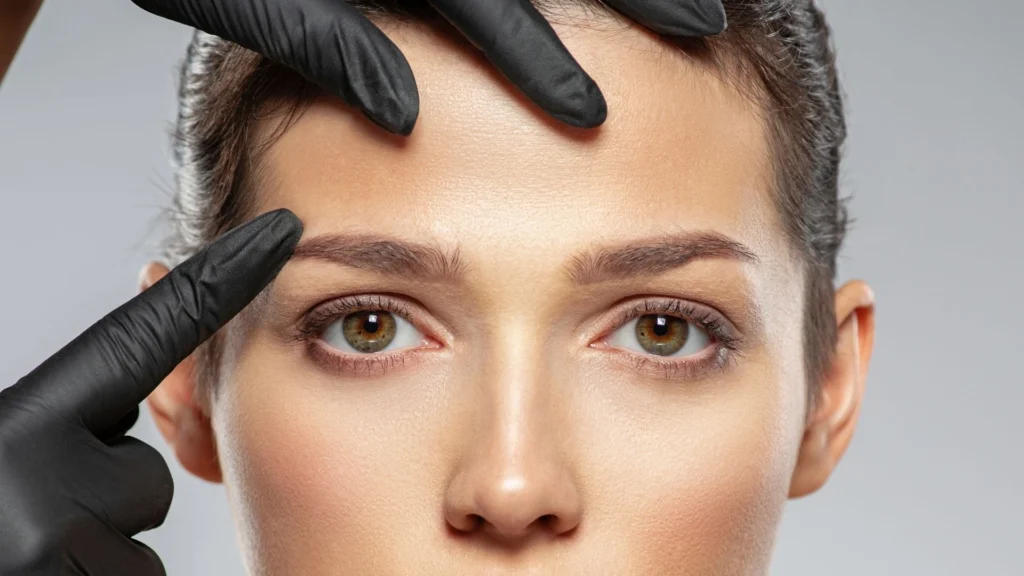
Forehead lift recovery
Undergoing a cosmetic surgical procedure like a forehead lift is a significant decision, and understanding the post-operative phase is crucial for success. The forehead lift recovery process is as important as the surgery itself in ensuring long-lasting, natural aesthetic outcomes. A detailed understanding of the timeline, necessary care, and expectations helps patients manage their healing journey effectively and minimizes anxiety regarding the forehead lift healing process. Prof. Dr. Selçuk İnanlı ensures every patient receives comprehensive, personalized instructions for their forehead lift recovery, emphasizing adherence to precise care protocols to safeguard the surgical results. His focus on structural integrity during the procedure sets the stage for a smooth recovery, but patient compliance with post-operative forehead lift care is the determinant factor in achieving optimal healing and aesthetic longevity.
Immediate Post-Surgical Expectations: The First 48 Hours
The initial phase of forehead lift recovery requires close attention and rest. Immediately after the procedure, the patient will have dressings or bandages in place, usually along the incision lines hidden in the hairline. Swelling and bruising are universal and expected, often extending down into the eyelids and periorbital area. Patients often ask about immediate post-surgical expectations and managing initial discomfort.
Pain Management After Brow Surgery
While the procedure is performed under general or intravenous sedation, pain relief is managed carefully during forehead lift recovery. Prof. Dr. İnanlı prescribes appropriate medication to manage any discomfort, which is typically mild to moderate. Patients must take medications as directed and avoid over-the-counter pain relievers that can increase bleeding risks. Furthermore, keeping the head elevated, even while sleeping, is one of the crucial forehead lift recovery tips provided to minimize swelling and accelerate the healing process.
Navigating the Early Recovery Phase: Weeks 1 and 2
The first two weeks represent the most intensive part of the forehead lift recovery timeline. During this phase, visible signs of surgery—swelling, bruising, and tenderness—begin to resolve, and patients often transition back to modified daily routines.
Managing Swelling and Bruising Resolution
Managing swelling after forehead lift is critical. Swelling typically peaks around 48 to 72 hours post-surgery and then gradually begins to subside. Cold compresses applied cautiously (without putting pressure directly on the incision sites) can assist. The discoloration from forehead lift bruising resolution usually fades within 10 to 14 days, transitioning from purple and blue tones to yellow and green before clearing entirely. Prof. Dr. İnanlı provides specific guidelines on when and how to apply compresses and when to switch to moist heat to aid circulation.
Returning to Work After Brow Lift
Most patients feel comfortable enough to consider returning to work after brow lift surgery within 7 to 10 days, provided their job is not physically demanding. By this time, sutures or staples (if present) may be removed, and most of the noticeable bruising can be concealed with makeup, especially if the incisions were carefully hidden within the hairline, which is common with the endoscopic approach. The ability to return to social activities and work depends heavily on the individual’s healing rate and tolerance for residual swelling.
Long-Term Recovery and Activity Restrictions
Beyond the initial two weeks, the forehead lift recovery continues, focusing on internal healing, tissue settling, and gradually resuming normal physical activities. Patience is essential during this typical forehead lift recovery period.
Exercise Post-Forehead Lift and Physical Activity Restrictions
Strict adherence to restrictions on physical activity is vital for ensuring the long-term stability forehead lift provides. Patients must avoid anything that raises blood pressure significantly, such as heavy lifting or vigorous exercise, for at least three to six weeks. Exercise post-forehead lift should start gradually, beginning with light walking, and progressing only as approved by Prof. Dr. İnanlı during follow-up appointments brow lift. Resuming strenuous activity too soon risks increased swelling, bleeding, and potentially compromising the repositioned tissues.
Addressing Numbness and Sensory Changes
Temporary changes in sensation, such as tingling, tightness, or numbness across the forehead and scalp, are common aspects of forehead lift recovery. This is due to the manipulation of nerves during the procedure. Addressing numbness after brow lift involves understanding that these sensations are nearly always temporary, resolving gradually over several months as the nerves regenerate. Patients are reassured that this is a normal part of the forehead lift healing process.
Incision Care and Minimizing Scarring
Because the success of a forehead lift depends partly on minimizing visible signs of surgery, dedicated care of the incision sites is imperative.
Expert Post-Operative Guidance for Incision Care
If the endoscopic technique is used, the small incisions are typically hidden within the hair. For traditional lifts, the incision runs along the hairline or slightly behind it. Minimizing scars forehead lift involves meticulous surgical closure by Prof. Dr. İnanlı, followed by specific wound care instructions provided to the patient. These may include gentle cleaning, topical treatments, and protection from sun exposure, which is paramount for all facial surgery scars.
The Role of Sun Protection in Optimal Healing
Sunlight exposure can cause scars to darken and become more noticeable. During the forehead lift recovery period, patients are strongly advised to wear wide-brimmed hats and use high-SPF sunscreen, even when residual signs of bruising have resolved. Protecting the delicate healing tissues is a crucial forehead lift recovery tip for ensuring the best possible aesthetic outcome.
Timeline for Brow Lift Recovery: Achieving Final Results
Understanding the projected timeline for brow lift recovery helps patients remain patient and focused on their long-term goals. While initial recovery is quick, the final results take time to fully manifest.
Months 1 to 6: Tissue Settling and Finalizing the Look
By the end of the first month, most patients look and feel completely recovered, with minimal residual swelling. However, minor internal swelling and tissue settling continue for up to six months. The final position of the elevated brow and the smoothness of the forehead become fully apparent once all internal healing is complete. Regular follow-up appointments brow lift visits with Prof. Dr. İnanlı ensure that the healing progression is on track and that the forehead lift surgical results align with the planned aesthetics. This dedication to monitoring is part of achieving optimal healing.
Accelerating Healing Techniques and Lifestyle Factors
While there is no magic formula, certain lifestyle choices significantly aid accelerated healing techniques. Maintaining a healthy diet rich in vitamins, staying well-hydrated, and absolutely avoiding strenuous activity too early are key. Stress reduction and adequate sleep are also essential components of a smooth forehead lift recovery.
Forehead Lift Frequently Asked Questions
What muscle lifts the forehead?
The primary muscle responsible for lifting the forehead and eyebrows is the frontalis muscle. It allows you to raise your eyebrows and create horizontal forehead lines. During a forehead (brow) lift, this muscle is repositioned or supported to achieve a more youthful, lifted appearance.
How long will a forehead lift last?
The results of a forehead lift are long-lasting, typically 10 to 15 years. While the natural aging process continues, patients generally maintain a smoother forehead and elevated brow position for many years after surgery.
Is a forehead lift worth it?
For patients bothered by deep forehead wrinkles, heavy brows, or a tired or angry appearance, a forehead lift can be very worthwhile. The procedure offers natural-looking, long-term rejuvenation and often improves facial balance and confidence.
How painful is a forehead lift?
A forehead lift is not considered highly painful. Most patients experience mild to moderate discomfort, tightness, or swelling in the first few days after surgery. Pain is typically well managed with prescribed or over-the-counter pain medication.
What is the best age for a forehead lift?
There is no “perfect” age, but most patients seek a forehead lift between their 40s and 60s. The ideal timing depends more on skin laxity, brow position, and individual aging patterns rather than age alone. Some patients in their late 30s may also be good candidates if brow drooping is significant.
Forehead lift procedure
The forehead lift procedure, also commonly referred to as a brow lift, represents a pinnacle of precision in facial plastic surgery, specifically targeting the upper third of the face to combat signs of aging such as frown lines, horizontal wrinkles, and drooping eyebrows. Understanding the intricate details of the forehead lift procedure is vital for patients seeking predictable and natural-looking outcomes. Prof. Dr. Selçuk İnanlı approaches every forehead lift procedure with an individualized and detailed surgical plan for brow elevation, ensuring that the chosen technique maximizes aesthetic improvement while adhering strictly to structural integrity and functional requirements. His expertise allows for the seamless execution of advanced surgical techniques, focusing on long-term stability rather than short-term fixes. The question of how a forehead lift is performed involves a series of meticulously planned stages, from initial consultation to final closure.
Stage 1: Preoperative Planning and Assessment
A successful forehead lift procedure begins weeks before the surgery day with comprehensive evaluation and preparation. This initial phase sets the foundation for tailoring the operation to the patient’s unique anatomy and aesthetic aspirations.
Patient Suitability Assessment and Consultation
During the consultation, Prof. Dr. İnanlı conducts a thorough patient suitability assessment. This involves evaluating skin elasticity, eyebrow position relative to the orbital rim, muscle dynamics, and hairline location. Factors like hair thinning or a receding hairline are crucial in determining the optimal incision placement. The patient’s functional goals (e.g., improving vision obscured by brow ptosis) are weighed alongside cosmetic objectives to define the functional and aesthetic goals of the forehead lift procedure.
Preoperative Preparation for Forehead Lift
Patients receive precise instructions regarding diet, medication adjustments, and smoking cessation. Stopping smoking is mandatory, as nicotine severely compromises tissue healing. Detailed face mapping and digital photography are used to finalize the surgical plan for brow elevation, ensuring Prof. Dr. İnanlı can precisely execute the chosen technique on the day of the surgery. This preparation is a non-negotiable step in the forehead lift procedure.
Stage 2: The Surgical Execution: Anesthesia and Technique Selection
Once in the operating room, the immediate focus shifts to patient comfort and the precise execution of the forehead lift surgical steps. The choice of technique dictates the subsequent procedural steps.
Administering Anesthesia for Brow Lift
In most cases, the forehead lift procedure is performed under general anesthesia or deep intravenous sedation coupled with local anesthesia for maximum patient comfort. The appropriate choice is determined by the patient’s health profile and the complexity of the procedure, ensuring safety throughout the forehead lift procedure duration.
Selecting the Right Technique: Endoscopic vs. Traditional
Prof. Dr. İnanlı specializes in minimizing invasiveness. Therefore, the endoscopic forehead lift method is often the preferred choice. This technique is favored due to its smaller incisions and reduced recovery time, making it a highly desirable option for many patients. However, the surgeon may determine that a traditional coronal lift or a temporal lift specifics approach is required, depending on the severity of skin redundancy or specific hairline concerns. Understanding the types of brow lift techniques is crucial for optimizing results.
Stage 3: The Core Steps of Forehead Lift Surgery
Regardless of whether the endoscopic or traditional method is used, the core objective involves releasing the soft tissues, modifying the muscles, and securing the brow in its new, elevated position. These are the essential steps of a forehead lift.
Creating Incision Patterns Forehead Lift
For the endoscopic forehead lift method, 3 to 5 small incisions (typically 1 inch or less) are made behind the hairline. This approach is superior for minimizing visible scarring. For the coronal lift, a single, longer incision is made, usually well concealed within the hair. Through these incisions, specialized instruments or visualization tools (the endoscope) are introduced. This allows the surgeon to access the underlying frontal bone and muscle layers.
Releasing and Modifying Key Facial Muscles
Once access is achieved, the deep tissues are carefully separated from the bone. Crucially, the muscles responsible for frown lines (corrugator and procerus) are attenuated or partially removed to relax the forehead and prevent future wrinkling. This meticulous muscle work is key to achieving a lasting smoother forehead, distinct from the temporary results of Botox. This critical step defines the success of the forehead lift surgical steps.
Stage 4: Brow Elevation and Structural Integrity Preservation
The most important phase of the forehead lift procedure is the actual elevation and fixation of the brow tissues. Prof. Dr. İnanlı prioritizes methods that provide long-lasting support.
Securing Tissue Layers in the New Position
The brow and forehead tissues are carefully lifted to the desired level. To ensure structural integrity preservation, the elevated tissues must be secured to the underlying bone or deep fascia. Various methods, including dissolvable fixation devices, sutures, or temporary screws, may be used. This fixation prevents the brow from drooping back to its original position over time. This technique is why a surgical forehead lift procedure offers such durable results, often lasting over a decade.
Combining Brow Lift with Other Procedures
Many patients benefit from combining brow lift with blepharoplasty (eyelid surgery) or a mid-facelift. This allows Prof. Dr. İnanlı to address the entire aging face concurrently, ensuring seamless transition between the upper, middle, and lower facial aesthetics.
Stage 5: Closure and Post-Procedure Protocols
The final stage involves closing the incisions and establishing the foundation for a successful recovery.
Meticulous Incision Closure
Prof. Dr. İnanlı utilizes careful, layered closure techniques to minimize scar visibility, hiding them within the hair when possible. Skin staples or sutures are used, and a light dressing may be applied. The duration of the entire forehead lift procedure duration typically ranges from one to two hours, depending on the complexity and if combined with other treatments.
Post-Operative Care and Follow-Up
Immediately following the surgery, patients are closely monitored before being discharged with detailed instructions for forehead lift recovery. Patients are scheduled for follow-up appointments to remove sutures/staples (usually 7-10 days post-op) and monitor the healing progression. Adherence to elevation protocols and activity restrictions is essential for mitigating swelling and bruising, guaranteeing that the effort invested in the intricate forehead lift procedure translates into the desired long-term aesthetic balance.
Forehead Lift Frequently Asked Questions
Can a forehead lift fix hooded eyes?
Yes, a forehead lift can significantly improve hooded eyes caused by drooping brows. By elevating the brow position, excess skin is lifted off the upper eyelids, creating a more open and refreshed eye appearance. In some cases, it is combined with eyelid surgery for optimal results.
What does a forehead lift cost?
Forehead lift costs depend on whether the procedure is endoscopic or traditional, and whether it is combined with other facial surgeries. A personalized consultation is required for an exact quote, but most patients can expect costs within the mid-to-high four-figure range.
What is forehead lift surgery?
Forehead lift surgery, also known as a brow lift, is a cosmetic procedure that raises the forehead and eyebrows to reduce wrinkles, correct brow drooping, and create a more youthful, rested appearance. It can be performed using minimally invasive endoscopic techniques or traditional approaches.
What does a forehead lift look like?
A forehead lift results in a smoother forehead, elevated brows, and brighter, more alert-looking eyes. The goal is a natural enhancement—patients look refreshed and youthful without appearing overdone or “pulled.”
Forehead lift before and after
The true measure of a successful aesthetic procedure lies in the achieved transformation. For the upper face, the forehead lift before and after results showcase a profound yet natural-looking rejuvenation. This comparison highlights the powerful impact of correcting brow ptosis, reducing deep creases, and restoring an alert, youthful appearance. Patients seeking a forehead lift often rely on reviewing the visual results of brow lift procedures to set realistic expectations forehead lift outcomes can provide. Prof. Dr. Selçuk İnanlı approaches the forehead lift with an emphasis on surgical precision and artistry, ensuring that the forehead lift before and after transformation achieves achieving natural youthfulness. His technique focuses not merely on pulling the skin taut, but on structural integrity preservation, guaranteeing that the brow position improvement is stable and harmonious with the rest of the face. Analyzing the transition from the preoperative state to the post-operative reality provides insight into the expertise required for successful forehead lift outcomes.
Understanding the Pre-Operative Appearance
Before undergoing the forehead lift procedure, patients typically present with characteristic signs of aging in the upper face. Recognizing these baseline characteristics is essential for evaluating surgical potential and defining the goals of the forehead lift before and after journey.
Common Concerns Addressed by Forehead Lift
Key aesthetic concerns addressed include significant brow descent (brow ptosis) that contributes to a heavy, tired, or sometimes grumpy expression. Deep horizontal forehead lines and prominent vertical frown lines (glabellar lines) are also primary indicators. Furthermore, the heaviness of the brow often contributes to minimizing upper facial heaviness which obscures the upper eyelid, making the patient appear perpetually fatigued. These elements form the ‘before’ picture in the forehead lift before and after comparison.
The Importance of Eyelid Assessment
It is crucial to determine if the perceived excess skin on the upper eyelids is solely due to true eyelid skin redundancy or if it is primarily caused by a drooping brow. In many instances, the brow descent is the main culprit. A well-executed forehead lift elevates the brow, revealing the natural eyelid contour and reducing the need for extensive upper blepharoplasty.
Analyzing the Post-Operative Transformation
The ‘after’ results of a forehead lift typically demonstrate a significant yet subtle revitalization of the upper face. The transformation is usually evident once initial swelling subsides, typically within the first few weeks, though final results take several months.
Brow Position Improvement and Forehead Smoothness
The most striking difference in the forehead lift before and after images is the brow position improvement. The brows are lifted to a more youthful, appealing height, restoring the natural arch (particularly in women). This elevation smooths the forehead skin, leading to effective smoothing forehead wrinkles and softening the deep vertical lines between the eyebrows. This results in a noticeably brighter, more open-eyed appearance.
Impact on Frown Lines and Facial Expression
Because the forehead lift procedure often involves modification of the underlying muscles (corrugator and procerus), there is a significant impact on frown lines. Patients look less stressed or perpetually worried. The resting facial expression is softer, more approachable, and aligns with the patient’s inner vitality.
Managing Expectations Through Expert Consultation
Setting accurate expectations is fundamental to achieving positive long-term aesthetic results and high satisfaction. Prof. Dr. İnanlı utilizes modern tools and decades of experience to guide patients through this process.
Digital Imaging Brow Lift Simulation
During the expert aesthetic consultation, digital imaging and morphing technologies are often used to provide a digital imaging brow lift simulation. This allows the patient to see a realistic preview of their potential forehead lift before and after look. This tool is invaluable for ensuring alignment between the patient’s desired outcome and the surgeon’s surgical plan, mitigating the risk of dissatisfaction stemming from unrealistic expectations.
The Timeline for Final Results
While the initial improvement is immediate, patients must understand that the final long-term aesthetic results are a gradual process. Swelling and healing take time. Prof. Dr. İnanlı advises patients that they will see 80% of the result within the first month, but the tissues will continue to settle, and the final look—the true forehead lift before and after transformation—is visible at the six-month to one-year mark. This focus on patience and monitoring is central to achieving enhancing facial harmony.
Long-Term Consistency and Maintenance
One of the main advantages of a surgical forehead lift over temporary injectable treatments is the durability of the successful forehead lift outcomes. Prof. Dr. İnanlı’s specialized techniques ensure stability.
Structural Fixation and Longevity
Through precise internal fixation techniques, Prof. Dr. İnanlı secures the repositioned tissues, counteracting the effects of gravity and muscle pull that cause natural aging. This technical dedication ensures the brow position improvement achieved in the forehead lift before and after results can last typically 10 to 15 years, offering a significant return on the cosmetic investment.
Continued Facial Rejuvenation Planning
While the forehead lift provides exceptional longevity in the upper face, the lower face and neck will continue to age.

Forehead lift cost
When considering a significant cosmetic procedure like the forehead lift, prospective patients inevitably focus on the financial investment. Understanding the forehead lift cost is crucial for proper financial planning. However, the price tag is rarely standardized; it is a variable figure influenced by numerous factors, reflecting the complexity of the surgery and the level of specialization required. Prof. Dr. Selçuk İnanlı, a European Board Certified ENT & Facial Plastic Surgeon, operates with a commitment to transparency regarding the forehead lift cost. Patients are provided with a comprehensive forehead lift cost estimate that accounts for all aspects of the procedure, ensuring they fully understand the total cost breakdown brow lift before proceeding. This detailed approach is paramount because the investment reflects the value of specialized expertise and the complexity of ensuring structural integrity and natural aesthetic outcomes.
Key Factors Affecting Forehead Lift Cost
The wide range in forehead lift cost stems primarily from the components that constitute the surgical package. These elements vary geographically and based on the specific services rendered.
Surgeon Experience Impact on Cost and Expertise
One of the most significant forehead lift cost determinants is the qualifications and experience of the surgeon. Prof. Dr. İnanlı’s status as a European Board Certified specialist with decades of clinical experience commands a fee structure that reflects his advanced surgical skill, reputation, and commitment to long-term patient satisfaction. Choosing a highly qualified surgeon mitigates risks and improves the probability of successful forehead lift outcomes, making the higher surgeon experience impact on cost a worthwhile investment in the forehead lift before and after results.
Geographic Location and Regional Variations in Price
The location where the surgery is performed significantly affects the price. Regional variations in forehead lift price exist even within a city, and certainly internationally. Procedures performed in high-cost-of-living areas or major medical tourism hubs (like Istanbul, where Prof. Dr. İnanlı practices) have differing overheads. Patients considering medical tourism forehead lift cost should look beyond the base price and assess the quality of the facility and the credentialing of the surgeon.
Breaking Down the Total Cost of a Brow Lift
The sticker price of a forehead lift is not just the surgeon’s fee. A total cost breakdown brow lift includes several distinct components necessary for a safe and effective operation.
Facility Fees and Anesthesia Costs Forehead Lift
Facility fees brow lift cover the use of the operating room, surgical equipment, nursing staff, and overnight stay (if required). These fees vary substantially based on whether the surgery is performed in a hospital setting or an accredited private surgical center. Furthermore, anesthesia costs forehead lift are separate, covering the services of the anesthesiologist and the necessary medications. Because the procedure is typically performed under general anesthesia or deep sedation, ensuring a certified and experienced anesthesiologist is part of the surgical team is essential for safety, justifying this portion of the forehead lift cost.
Surgical Technique and Complexity
The specific technique chosen—such as the cost of endoscopic brow lift compared to a traditional coronal lift—can affect the forehead lift cost. Endoscopic procedures require specialized, expensive equipment (the endoscope and fixation devices).
Financial Planning and Budgeting for Facial Rejuvenation
Patients should treat the forehead lift as a long-term investment in facial rejuvenation. Careful financial planning is required to avoid unexpected expenses.
Understanding Included Expenses vs. Potential Hidden Costs
When receiving a quote, it is vital to obtain clarity on understanding included expenses. This should cover pre-operative testing, surgeon’s fee, facility fee, anesthesia, post-operative dressings, and essential follow-up appointments. Patients should ask about potential hidden costs, such as prescriptions, specialized post-operative care items, or the cost of handling minor complications. A reputable practice, like that of Prof. Dr. İnanlı, provides a transparent itemized estimate.
Financing Options for Brow Surgery and Payment Plans
Many patients explore financing options for brow surgery to manage the investment. While Prof. Dr. İnanlı’s clinic can provide guidance, many third-party medical financing companies offer structured payment plans. Evaluating these options allows patients to proceed with the surgery without depleting savings, making the investment in correcting upper facial aging more accessible.
Insurance, Functionality, and Comparative Pricing
Navigating insurance and understanding how to effectively budget often requires comparing forehead lift prices and assessing whether the procedure qualifies for coverage.
Insurance Coverage for Forehead Lift
Typically, a forehead lift performed purely for cosmetic reasons is not covered by health insurance. However, if the procedure is deemed medically necessary—for example, if severe brow ptosis is obstructing the visual field and impacting quality of life—parts of the surgery might be covered. This often requires thorough documentation and specific tests to prove functional impairment. Patients should discuss this possibility during the consultation.
Comparing Forehead Lift Prices and Value
When comparing forehead lift prices, it is crucial to compare like-for-like. A low price may indicate shortcuts in facility accreditation, less experienced staff, or exclusion of essential post-operative care. Prof. Dr. İnanlı encourages patients to prioritize expertise and safety over cost minimization. The high value of specialized expertise ensures optimal long-term aesthetic outcomes, ultimately providing a better return on the forehead lift cost investment.
Forehead Lift Frequently Asked Questions
What does a forehead lift do?
A forehead lift:
Elevates drooping eyebrows
Reduces forehead wrinkles and creases
Softens frown lines between the brows
Improves a tired, angry, or heavy-brow appearance
Can help open up the eyes when brow drooping is present
What is an endoscopic forehead lift?
An endoscopic forehead lift is a minimally invasive technique that uses small incisions hidden within the hairline. A tiny camera (endoscope) guides the surgeon in lifting and repositioning the brow tissues. This method offers less scarring, reduced swelling, and faster recovery compared to traditional techniques.
What is a forehead lift called?
A forehead lift is also commonly called:
Brow lift
Forehead rejuvenation surgery
Upper face lift
These terms are often used interchangeably in cosmetic surgery.
What is an Endotine forehead lift?
An Endotine forehead lift is a type of endoscopic brow lift that uses a biodegradable fixation device (Endotine) to secure the lifted brow tissue in its new position. The device dissolves naturally over time while helping maintain long-lasting, stable results.