What is a brow lift?
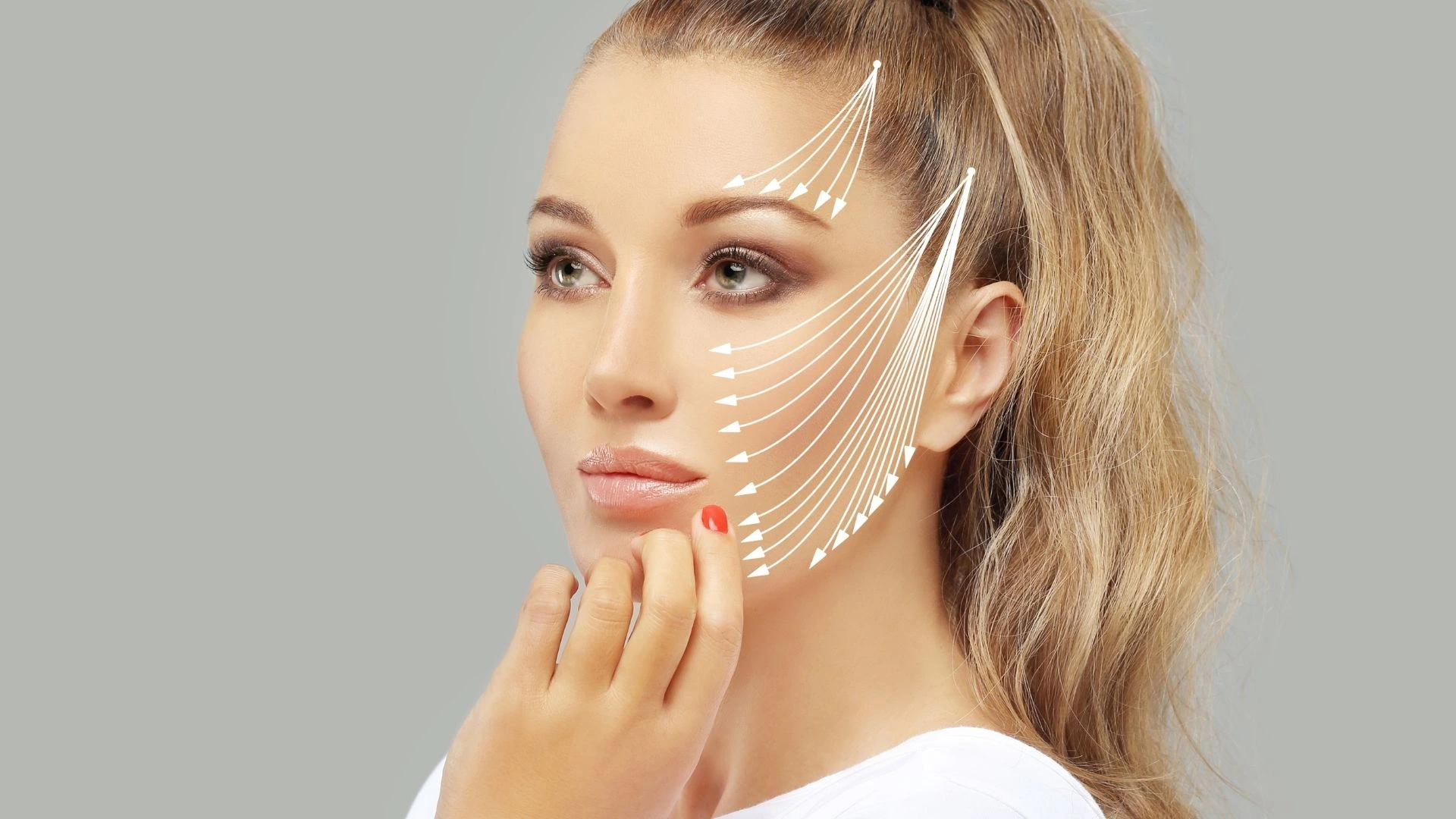
The quest for a refreshed and youthful appearance often leads individuals to explore cosmetic procedures targeting the signs of aging in the upper third of the face. What is a brow lift? This fundamental question sets the stage for understanding one of the most effective surgeries designed to address drooping eyebrows, deep forehead creases, and the resultant fatigued look that often accompanies the natural aging process. Simply put, a brow lift is a surgical procedure, also commonly known as a forehead lift, aimed at raising the eyebrows to a more aesthetically pleasing and anatomically correct position. This crucial procedure alleviates the heavy, tired look caused by sagging skin and muscle relaxation above the eyes. By repositioning the soft tissues of the forehead, a brow lift can dramatically smooth horizontal forehead wrinkles and vertical frown lines between the eyebrows (glabellar lines). Prof. Dr. Selçuk İnanlı, an expert European Board Certified ENT & Facial Plastic Surgeon, focuses on ensuring that every brow lift surgery results in a natural aesthetic outcome, respecting facial proportions and achieving long-term stability. What is a brow lift? It is an intervention that goes beyond mere aesthetics; it corrects functional issues like peripheral visual obstruction caused by severe brow ptosis. Understanding the intricacies of this procedure is vital for anyone considering forehead rejuvenation, ensuring they select a technique that aligns with their specific anatomical needs and aesthetic goals. We delve into the comprehensive definition, goals, and technical aspects of modern brow lift procedures.
Defining the Parameters: What is a Brow Lift in Facial Plastic Surgery?
A brow lift serves as the cornerstone of upper face rejuvenation. It is surgically defined as the elevation and stabilization of the eyebrow complex and underlying soft tissues of the forehead. Aging inherently leads to the descent of the eyebrows, known clinically as brow ptosis, which subsequently crowds the upper eyelids and contributes significantly to an older or perpetually worried appearance. The goal of a brow lift is to reverse these gravitational and age-related changes.
The Core Goal of the Brow Lift Procedure
The primary objective is not just lifting, but achieving harmonious placement. The ideal eyebrow position differs between genders and must be tailored to the individual’s facial structure. For women, the brow peak is often slightly arched above the orbital rim, while in men, it typically sits directly at or slightly below the orbital rim. Achieving this precise eyebrow position adjustment is paramount.
Ensuring Natural Aesthetic Outcomes in Brow Lift Surgery
Prof. Dr. Selçuk İnanlı stresses that successful outcomes hinge on avoiding the overly taut or “surprised” look often associated with older techniques. Modern brow lift surgery utilizes sophisticated, minimally invasive approaches, like the endoscopic brow lift, to ensure the results enhance rather than distort the natural facial contours. This maintains the patient’s unique expression while providing effective forehead rejuvenation.
Identifying the Causes of Brow Ptosis
Understanding why the brow descends helps illuminate the necessary corrective steps involved in answering the question, What is a brow lift? Brow ptosis is a multifactorial problem driven mainly by gravity, muscle action, and tissue degradation.
Gravitational Descent and Skin Laxity
Over decades, the constant pull of gravity, combined with the gradual loss of collagen and elastin, causes the skin and underlying fat pads in the forehead to slacken. This skin laxity contributes significantly to the formation of horizontal wrinkles and the downward migration of the brow itself, making brow ptosis correction essential.
The Role of Muscle Action in Deep Forehead Creases
The muscles responsible for frowning (corrugator muscles) and worry (frontalis muscles) repeatedly contract, leading to deep lines. A comprehensive brow lift often involves techniques to selectively weaken or release these muscles, offering permanent relief from prominent frown lines and enhancing the effects of the lift. For more localized wrinkle treatment, patients might also consider non-surgical options like Botulinum Toxin or dermal fillers, although these treatments offer temporary solutions compared to surgical intervention.
Distinguishing Brow Lift from Eyelid Surgery (Blepharoplasty)
Patients frequently confuse the need for a brow lift with that for eyelid surgery, or vice versa. While both target the upper periorbital area, they address distinct anatomical problems.
Addressing Hooded Eyelids: The Combination Approach
Blepharoplasty (eyelid surgery) primarily removes excess skin and fat from the upper or lower eyelids. If the eyelid skin appears heavy due to the low position of the eyebrow, performing only blepharoplasty might not suffice, or worse, it could pull the brow down further. In such cases, the optimal solution is a combined procedure: a brow lift to raise the structural support (the brow) and blepharoplasty to refine the upper eyelid skin.
Why Proper Diagnosis is Key for Upper Face Rejuvenation
An accurate diagnosis by an experienced facial plastic surgeon like Prof. Dr. Selçuk İnanlı is critical. Determining whether the primary issue is skin redundancy (eyelid) or structural descent (brow) dictates the surgical plan, ensuring the best long-term outcomes and preserving structural integrity. Prof. Dr. Selçuk İnanlı ensures that all treatments are planned individually, prioritizing proportional balance.
Exploring the Different Techniques: What is a Brow Lift Today?
Modern brow lift techniques prioritize minimal scarring, faster recovery, and precise control over the elevation achieved. The procedure is typically categorized based on the extent of the incision and the tool used.
The Popularity of the Endoscopic Brow Lift
The endoscopic brow lift is highly favored due to its minimally invasive nature. It involves several small incisions (usually hidden within the hairline) through which an endoscope (a small camera) and specialized tools are inserted. This allows the surgeon to visualize the underlying tissues, release the brow tissues, and stabilize them in a higher position. This technique minimizes scarring and generally offers a quicker initial recovery.
Temporal and Coronal Brow Lift Variations
Less invasive than the full coronal lift, the temporal brow lift focuses primarily on lifting the outer (lateral) portion of the eyebrow, which is often the first area to show signs of drooping. The traditional coronal lift involves a longer incision running across the scalp from ear to ear, necessary for maximum tissue removal and elevation, although it is less common today due to the widespread success of endoscopic methods. Detailed discussions on techniques are essential for personalized treatment.
The Importance of Surgeon Expertise in Brow Lift Surgery
Due to the delicate nature of the facial nerves and the critical role the eyebrows play in expression, choosing a highly qualified and experienced surgeon is non-negotiable.
Post-Operative Expectations and Recovery from Brow Lift
Recovery is an integral part of answering What is a brow lift? The process is generally straightforward, particularly with minimally invasive techniques.
Managing Swelling and Bruising
Initial swelling and bruising are common, typically peaking within the first 48 hours. Patients are advised to keep their head elevated and apply cold compresses. Most visible bruising resolves within 10 to 14 days. Pain is usually minimal and managed effectively with prescribed medication.
Long-Term Forehead Contouring and Result Stability
The long-term success of a brow lift relies on the permanence of the internal tissue fixation used to secure the newly elevated brow position. Patients can typically see the final forehead contouring results emerge fully within a few months, revealing a much brighter, more alert, and youthful appearance that maintains the expression of the individual. The commitment to structural integrity ensures the long-term stability of the aesthetic improvement.
What does a brow lift do?
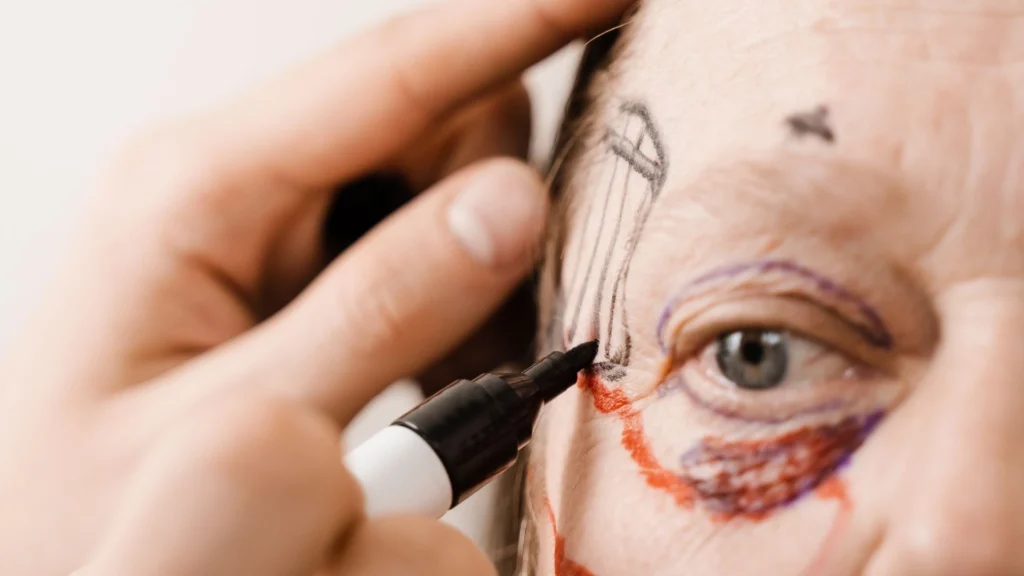
When considering cosmetic surgery, prospective patients often ask: What does a brow lift do? This is a critical question, as understanding the exact benefits—both aesthetic and functional—is essential for setting realistic expectations and achieving satisfaction. A brow lift, or forehead lift, is fundamentally designed to combat the signs of aging that weigh down the upper face, primarily focusing on the descent of the eyebrows and the formation of deep creases. Prof. Dr. Selçuk İnanlı emphasizes that a successful procedure delivers results that are naturally proportionate, enhancing the individual’s appearance without altering their core expression. In short, what does a brow lift do? It restores a youthful position to the eyebrows, lifts the overlying skin, and smooths wrinkles across the forehead. This transformation leads to an overall brighter, more rested, and energized appearance. Unlike temporary solutions like Botox or fillers, surgical forehead lift outcomes provide enduring structural changes, offering long-term stability after brow lift. This detailed guide explores the multifaceted benefits of the procedure, covering everything from the subtle aesthetic refinements to significant improvements in visual function. We discuss how a precise brow lift procedure plays a vital role in facial harmony restoration.
Aesthetic Transformation: What Does a Brow Lift Do for Appearance?
The most immediate and desired effects of a brow lift are aesthetic. The procedure directly targets the areas most commonly associated with aging, stress, and fatigue in the upper third of the face.
Elevating Drooping Eyebrows and Correcting Brow Ptosis
The hallmark sign of aging that necessitates this procedure is brow ptosis, where the eyebrows sag below the orbital rim. What does a brow lift do here? It repositions the entire brow structure to its appropriate, elevated level. This action instantly makes the eyes appear larger and more open, actively restoring youthful eye appearance. The meticulous approach of surgeons like Prof. Dr. Selçuk İnanlı ensures that this elevation is balanced and symmetrical.
Smoothing Forehead Wrinkles and Frown Lines
The muscles of the forehead (frontalis) work constantly to lift the heavy brow, leading to prominent horizontal lines. Furthermore, the glabella muscles cause the ’11’ lines between the brows. A key benefit of a brow lift is smoothing forehead wrinkles. By releasing or modifying these muscles and tightening the overlying skin, the surgeon drastically reduces these dynamic wrinkles, providing enduring relief far surpassing that of temporary treatments. This benefit contributes significantly to forehead contouring.
Lateral Brow Lift Effects for Enhanced Expressiveness
Many patients notice that the temporal (outer) ends of their eyebrows droop first. A focused lateral brow lift often utilizes techniques like the temporal lift to specifically elevate this outer third. What does a brow lift do when focused laterally? It provides a subtle, attractive arch, which enhances the aesthetic appeal of the eyes and contributes to a more alert, engaging expression, helping in achieving an alert and open look.
Improving Visual Fields Through Brow Elevation
In significant cases of brow ptosis, the heavy brow tissue can physically rest on the upper eyelid margin, potentially obstructing peripheral vision. This is where the procedure acts as a crucial functional brow lift. By elevating the brow, the obstruction is removed, allowing for improved visual clarity, especially in the upper and lateral visual fields. This functional necessity may even qualify the procedure for medical coverage in some circumstances.
Reduction in Strain and Tension Headaches
Many individuals unconsciously strain their forehead muscles (the frontalis) throughout the day in an attempt to manually lift their heavy brows. This persistent muscle tension can contribute to chronic tension headaches. What does a brow lift do in this context? By providing permanent, passive support to the brow, it relaxes these muscles, often leading to a reduction or complete cessation of these strain-related headaches, enhancing overall quality of life.
Synergy with Other Procedures: The Holistic Approach
The true power of the brow lift is often realized when combined with complementary procedures as part of a comprehensive facial rejuvenation plan, an approach favored by Prof. Dr. Selçuk İnanlı.
Complementing Eyelid Surgery (Blepharoplasty)
If the patient has both significant brow descent and excess upper eyelid skin, combining a brow lift with upper blepharoplasty (eyelid surgery) yields superior results. The brow lift addresses the structural position, while blepharoplasty refines the skin redundancy. Combining them ensures a cohesive and natural transition between the forehead and the eye area.
Integration with Facelift and Midface Procedures
For patients seeking maximum reversing aging effects on the forehead and lower face, combining the brow lift with a facelift creates seamless rejuvenation across the entire facial canvas. This holistic method ensures that the upper, middle, and lower thirds of the face are addressed harmoniously, preventing an unbalanced or segmented appearance. Prof. Dr. İnanlı’s expertise in facial plastic surgery allows for this complex integration.
Brow Lift Frequently Asked Questions
What are the risks or complications of a brow lift procedure?
A brow lift is generally safe when performed by a qualified surgeon, but like any surgery it carries some risks. Possible complications include swelling, bruising, temporary numbness, asymmetry, infection, bleeding, scarring, or hairline changes. Rarely, nerve injury can affect forehead movement or sensation. Choosing an experienced surgeon significantly reduces these risks.
Does a brow lift cause scars?
Yes, but scars are usually minimal and well concealed. Incisions are typically placed along the hairline or within the scalp, making them difficult to see once healed. With proper care, brow lift scars fade over time and become barely noticeable.
What can I expect as I recover from a brow lift procedure?
After surgery, it’s normal to experience swelling, bruising, tightness, and mild discomfort around the forehead and eyes. These symptoms gradually improve over the first 1–2 weeks. Keeping your head elevated and following post-operative instructions helps ensure a smoother recovery.
What is the recovery time for a brow lift?
Most patients return to light daily activities within 7–10 days. Swelling and bruising typically subside within 2–3 weeks, while full healing continues over several months. Strenuous exercise should be avoided for at least 3–4 weeks unless otherwise advised.
When will I see the results of a brow lift?
Initial improvements are visible once swelling begins to decrease, usually within 2–3 weeks. Final results become more apparent after 2–3 months, when the tissues have fully settled and the brow position looks natural.
How long does a brow lift last?
The results of a brow lift are long-lasting, often remaining effective for 10 years or more. While the natural aging process continues, patients typically maintain a more youthful, refreshed brow appearance well into the future.
Will a brow lift change my eye shape?
A common concern among individuals considering forehead lift and eye appearance surgery is whether the procedure will dramatically alter their fundamental identity. Specifically, patients frequently ask: Will a brow lift change my eye shape? This query stems from a desire for rejuvenation without undergoing unwanted, radical alterations. The answer is nuanced: while a properly executed brow lift profoundly affects the aesthetic *appearance* of the eyes, it should not fundamentally change the structural *shape* of the eye itself. A professional brow lift aims to enhance the eye area by removing the weight and heaviness caused by drooping brows (brow ptosis). This corrective action reveals the natural contours of the upper eyelid, creating a brighter, more alert appearance. Prof. Dr. Selçuk İnanlı champions the philosophy of maintaining natural proportions and achieving natural aesthetic outcomes, ensuring the surgical results are harmonious with the patient’s overall facial structure. We explore the intricate relationship between the eyebrow and the eye, clarifying how surgical elevation impacts the orbital region and how skilled surgeons avoid undesirable outcomes, like the overly-arched or ‘surprised’ appearance.
Understanding the Eye-Brow Relationship
The eyebrow acts as a frame for the eye, and its position is directly linked to how open, expressive, and youthful the eyes appear. When brows descend due to aging, they push down on the upper eyelid tissues, making the eyes look smaller or hooded.
How Brow Elevation Influences Periorbital Aesthetics
When a brow lift is performed, the elevation of the forehead skin pulls the heavy, sagging tissue away from the orbital rim. This reveals more of the upper eyelid platform, often leading people to perceive that their eyes look bigger, but the actual ocular structure remains unchanged. This is a critical distinction when answering: Will a brow lift change my eye shape? It corrects heaviness, enhancing perception, not morphology.
The Importance of Eyebrow Position and Aesthetics
Precise surgical planning ensures that the eyebrow arch adjustment is appropriate for the individual’s gender and ethnicity. Over-elevation, particularly in the central forehead, can lead to the dreaded ‘surprised’ look. Prof. Dr. Selçuk İnanlı’s focus on structural integrity prevents this by ensuring that the lifted brow settles into a soft, natural curve that complements the facial architecture.
Targeting Specific Areas: Lateral Brow Lift and Eye Appearance
Different brow lift techniques target different areas, which in turn influences the subtle effects on the lateral eye region.
The Effects of the Temporal Lift Effects
A lateral brow lift (or temporal lift) focuses specifically on the outer third of the brow and the crow’s feet area. This technique is often used to correct minor drooping and can slightly tighten the skin at the lateral orbital corner. While this maneuver may subtly elongate or smooth the skin adjacent to the eye, it does not structurally modify the eyeball or the tarsal plate—meaning, Will a brow lift change my eye shape? remains negative in terms of fundamental change.
Addressing Hooded Eyelids Without Radical Change
Many patients present with hooded eyelids, where the skin folds over the outer corner. If this hooding is primarily caused by brow descent, the brow lift effectively resolves it by pulling the brow tissue superiorly. If the problem is solely excess skin on the eyelid itself, a combined approach—brow lift vs blepharoplasty—is utilized, offering comprehensive upper eyelid skin correction.
Avoiding Unnatural Outcomes: The Surgeon’s Role
Achieving excellent results while avoiding a surprised look depends entirely on the surgeon’s experience and technique, especially concerning tissue release and fixation.
Meticulous Planning for Natural Aesthetic Outcomes
Prof. Dr. Selçuk İnanlı employs precise, individualized planning, often utilizing advanced techniques like the endoscopic brow lift, which provides the precision necessary to control the degree of lift in millimeters. This meticulous approach guarantees that the elevation is just enough to achieve rejuvenation without looking artificial. This commitment to precision reflects the highest standards of structural integrity in facial surgery.
Clarifying Misconceptions: Can a Brow Lift Make Eyes Smaller?
In exceedingly rare cases where the brow is severely over-elevated or if significant swelling occurs, there might be a temporary illusion of a change in eye size or shape due to surrounding tissue tension. However, the long-term, intended outcome of a professional brow lift is to open the eye area, not constrict it. The notion that Will a brow lift change my eye shape? to make eyes smaller is generally a myth when performed by a skilled specialist.
Combining Procedures for Full Facial Harmony
Often, the brow lift is part of a larger plan, ensuring total periorbital rejuvenation and synergy across the face.
Synergistic Effects with Lower Face Procedures
While rhinoplasty might seem unrelated, the overall philosophy of facial balance applies. When addressing the upper face with a forehead lift and eye appearance goals, the surgeon must consider how this change integrates with the mid and lower face. Prof. Dr. İnanlı’s specialization in both functional ENT and aesthetic plastic surgery ensures a holistic perspective. His expertise in complex cases, such as revision rhinoplasty, underscores his commitment to structural precision across the entire face.
Consultation and Digital Simulation
During the consultation phase, sophisticated imaging tools can simulate the likely outcome of the brow lift, allowing the patient to visualize the enhanced eyebrow position and aesthetics. This process is crucial for aligning patient expectations with achievable natural aesthetic outcomes, ensuring that the patient feels confident that the resulting appearance aligns with their desired result without fundamentally changing their identity.

Who is a candidate for a brow lift?
The decision to undergo cosmetic surgery is highly personal, and candidacy depends on a convergence of factors—anatomical, medical, and psychological. A core question asked during the initial consultation is: Who is a candidate for a brow lift? This procedure, designed to refresh the upper face, is ideal for patients exhibiting specific signs of aging in the upper face or those with genetically low eyebrows. An ideal brow lift patient typically seeks to correct a perpetually tired or worried appearance caused by drooping eyebrows and deep horizontal wrinkles. Prof. Dr. Selçuk İnanlı, a European Board Certified ENT & Facial Plastic Surgeon, employs a thorough evaluation process to determine forehead lift candidacy, prioritizing patient safety, realistic expectations, and the potential for a structurally stable, natural aesthetic outcome. This evaluation ensures that the procedure addresses both the aesthetic concerns and, if necessary, the functional issues like visual obstruction. Understanding the stringent criteria for brow ptosis surgery is essential for any potential patient. We explore the medical prerequisites, aesthetic indicators, and psychological considerations that define who is a candidate for a brow lift.
Signs of Aging in the Upper Face
Candidacy is often first determined by visual assessment, focusing on the position of the eyebrows relative to the orbital rim and the degree of skin laxity.
Identifying Brow Ptosis and Forehead Wrinkles
The most defining indicator is brow ptosis, where the brow has fallen below the level of the bony orbit. When this descent is prominent, it causes excess skin to gather over the upper eyelids, often mimicking the need for blepharoplasty. If a patient must manually lift their brows to see clearly or look refreshed in photos, they are likely an excellent candidate for this surgery. This also holds true for those seeking low eyebrow position correction.
The Role of Skin Elasticity and Hairline Position
Evaluating skin elasticity is vital. Patients with good skin quality generally experience smoother healing and excellent long-term results. The surgeon also assesses the patient’s hairline. For those with a high hairline, certain techniques (like the trichophytic lift) are preferred to ensure the lift does not further elevate the hairline, thereby defining who is a candidate for a brow lift based on technique suitability.
Medical and Health Requirements for Candidacy
Like any surgical procedure, a brow lift requires that the patient be in overall good systemic health requirements to minimize complications and ensure a smooth recovery.
Essential Health Prerequisites
Who is a candidate for a brow lift? Generally, patients must be healthy individuals without serious, uncontrolled medical conditions (like severe hypertension, bleeding disorders, or poorly managed diabetes) that could interfere with healing. A comprehensive medical history and physical examination are mandatory prior to scheduling the surgery. The patient must also be physically ready to follow post-operative instructions rigorously.
Smoking Status and Recovery Speed
Smoking significantly impairs the body’s ability to heal by constricting blood vessels, leading to increased risk of complications and poor wound healing. Prof. Dr. İnanlı strongly advises that patients contemplating a forehead lift be non-smokers and brow lift candidates must quit smoking well in advance of the surgery. This factor is often non-negotiable for elective facial plastic surgery to ensure the safety and quality of the outcome.
Age and the Patient Selection Process
There is no strict age limit, but patients typically range from their 40s to their 60s, though exceptions exist for correcting inherited low brows.
Considering Advanced Age and Brow Lift
While older patients can certainly undergo the procedure, the overall health profile becomes more critical. For younger patients, often seeking a slight arch or correction of genetically heavy brows, a minimally invasive brow lift candidacy using techniques like a temporal lift may be appropriate.
Determining Forehead Lift Necessity
Sometimes, the appearance of a low brow can be temporarily alleviated by less invasive procedures like strategic use of dermal fillers or Botulinum Toxin to relax depressor muscles. If these temporary measures fail to provide sufficient or long-lasting improvement, the necessity for a surgical brow lift is established, confirming who is a candidate for a brow lift in the long term.
Brow Lift Frequently Asked Questions
Is a brow lift an inpatient or outpatient procedure?
A brow lift is typically an outpatient procedure, meaning you can go home the same day after surgery. Overnight hospital stays are rarely needed.
What happens during a brow lift procedure?
During a brow lift, the surgeon makes small incisions along the hairline or within the scalp to lift and reposition the brow and forehead tissues. Excess skin is removed if necessary, and the underlying muscles are adjusted to create a smoother, more youthful appearance.
Is a brow lift painful?
Most patients experience mild to moderate discomfort, rather than significant pain. Any discomfort is usually well managed with prescribed pain medication and improves within a few days.
What happens after a brow lift procedure?
After surgery, patients may notice swelling, bruising, tightness, or temporary numbness in the forehead area. These effects gradually resolve over 1–2 weeks. Follow-up visits are scheduled to monitor healing and remove sutures if needed.
What are the advantages of a brow lift procedure?
A brow lift can restore a more youthful and refreshed appearance, reduce forehead wrinkles, lift drooping brows, improve facial balance, and in some cases enhance vision by relieving brow heaviness.
Can I get multiple cosmetic procedures done at the same time as a brow lift?
A frequent and strategically important question posed to facial plastic surgeons is: Can I get multiple cosmetic procedures done at the same time as a brow lift? The answer, for many patients, is a definitive yes. Combining a brow lift with other procedures, such as a facelift or blepharoplasty, is often the most efficient and effective way to achieve harmonious and comprehensive facial rejuvenation. This strategy, favored by experts like Prof. Dr. Selçuk İnanlı, allows for balanced results and streamlines the overall recovery process. The ability to perform simultaneous cosmetic procedures depends heavily on the patient’s health, the complexity of the surgeries, and the surgeon’s experience. Prof. Dr. Selçuk İnanlı’s holistic approach ensures that by performing a brow lift alongside other necessary aesthetic corrections, the results complement each other seamlessly, maximizing aesthetic results across the entire facial canvas. This practice is crucial for surgical planning for facial harmony. We explore the advantages, common combinations, and safety considerations when integrating the brow lift into a broader plan for facial aesthetic correction.
The Strategic Benefits of Combination Facial Surgery
Opting for multiple procedures in a single anesthesia session offers several compelling benefits that appeal to both the patient and the surgical team.
Streamlining Recovery and Minimizing Overall Downtime
The most significant advantage of answering, Can I get multiple cosmetic procedures done at the same time as a brow lift? is the consolidation of recovery time. Instead of enduring separate recovery periods for a brow lift, a facelift, and eyelid surgery, the patient recovers from all procedures simultaneously. This saves considerable time and minimizes the overall disruption to their life.
Efficiency of Combined Surgery and Anesthesia Safety
Combining surgeries means the patient undergoes general anesthesia only once. While the operative time is extended, carefully planned combination facial surgery performed by an experienced team is highly efficient, reducing separate pre-operative testing and administrative processes. This efficiency, coupled with the precision of advanced surgical techniques, is paramount.
Popular Combinations with a Brow Lift
The brow lift commonly serves as the foundation for upper facial enhancement and is frequently paired with middle and lower facial procedures.
The Power Duo: Brow Lift Synergy with Blepharoplasty
The combination of a brow lift and blepharoplasty (eyelid surgery) is arguably the most common synergistic procedure. As noted by Prof. Dr. İnanlı, if the brow is drooping (ptosis), simply removing eyelid skin (blepharoplasty) may not be enough, and might even worsen the brow position. Performing both—the brow lift to elevate the frame, and blepharoplasty to refine the details—achieves optimal upper and lower face rejuvenation.
Integrating the Full Facelift and Brow Lift
For patients with moderate to advanced aging throughout the face, integrating the Full Facelift and Brow Lift is highly recommended. The facelift addresses the jowls, jawline, and neck, while the forehead lift corrects the upper face, ensuring a cohesive look. Addressing these areas simultaneously prevents a rejuvenated forehead from contrasting jarringly with an aged lower face.
Addressing Midface Aging Concurrently
In many cases, the brow lift is combined with a midface lift, addressing the descent of the cheeks and the deepening of nasolabial folds. This layered approach ensures aesthetic synergy by lifting tissues from the temporal region down to the cheeks, creating soft, continuous curves rather than distinct surgical boundaries.
What are the types of brow lift procedures?
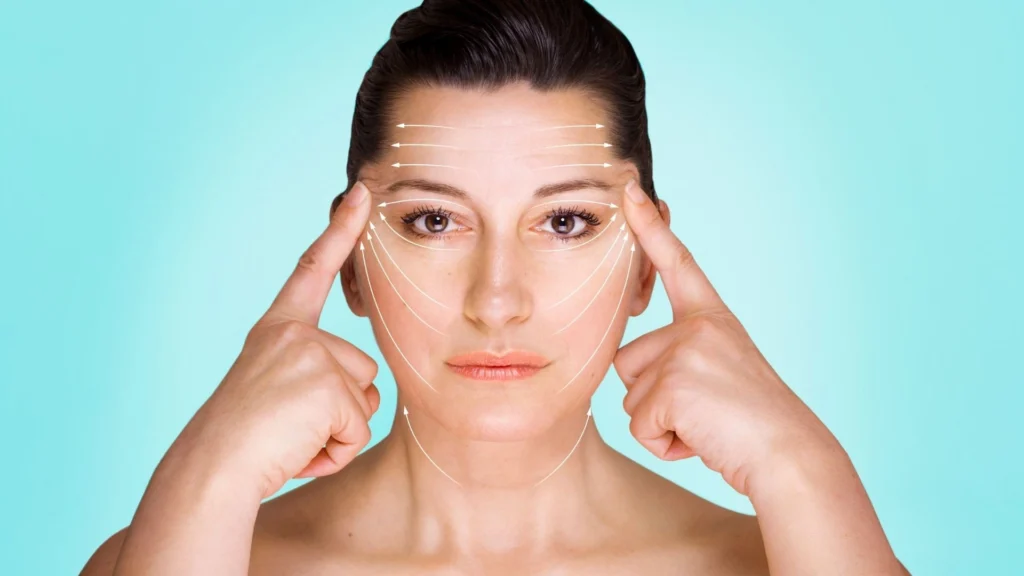
For prospective patients seeking to address signs of aging in the upper face, understanding the surgical landscape begins with asking: What are the types of brow lift procedures? The field of facial plastic surgery offers a diverse array of techniques, each tailored to address specific aesthetic needs, hairline characteristics, and the severity of brow ptosis. Choosing the most appropriate technique selection is crucial for achieving natural, long-lasting results and minimizing visible scarring. Modern practice, championed by experts like Prof. Dr. Selçuk İnanlı, tends to favor minimally invasive approaches that deliver maximum aesthetic improvement with reduced downtime. These modern brow lifting methods allow for precise manipulation of forehead tissues, ensuring the surgical eyebrow correction maintains the patient’s natural expression while reversing the effects of gravity. We delve into the defining characteristics, benefits, and drawbacks of the primary types of brow lift procedures, emphasizing how an individualized plan is created for optimal forehead rejuvenation options.
Minimally Invasive Techniques: The Modern Standard
Minimally invasive methods represent the cutting edge of the field, offering effective lifting through smaller, often hidden incisions.
The Endoscopic Brow Lift
The endoscopic brow lift is currently one of the most popular techniques. It involves making three to five small incisions (about 1-2 cm long) placed discreetly behind the hairline. A small camera (endoscope) is inserted through these incisions, allowing the surgeon magnified visualization of the underlying anatomy.
Advantages of the Endoscopic Brow Lift
This technique allows for precise tissue release and muscle modification (corrugators and procerus muscles) with minimal tissue trauma. The primary benefits include minimal scarring, reduced numbness compared to older methods, and a relatively rapid recovery. It provides substantial elevation while safely preserving critical facial nerves, making it a highly effective minimally invasive brow lift option.
The Temporal Brow Lift (Lateral Lift)
The Temporal brow lift focuses exclusively on the outer third (lateral aspect) of the eyebrows, often the first area to droop. Incisions are made within the temporal hairline, allowing the surgeon to lift and suspend the lateral brow. What are the types of brow lift procedures for a subtle arch? The temporal lift is the answer, delivering a focused, subtle, and youthful arch to the outer brow.
Customizing the Brow Lift Approach for Targeted Results
Prof. Dr. Selçuk İnanlı often utilizes the temporal lift when the central forehead remains relatively stable but the lateral brow requires correction. This technique is often paired with an upper blepharoplasty to fully refresh the eye area.
Techniques for Significant Correction or Hairline Management
For patients requiring more extensive tissue removal or those concerned about hairline position, traditional or modified open techniques may be necessary.
The Trichophytic Brow Lift
The trichophytic brow lift is suitable for patients who require significant lift but who also have a high forehead or receding hairline. The incision is made strategically just *inside* the hairline. This design allows the surgeon to excise excess skin and lift the brow without raising the hairline further. When the incision heals, the hair grows through the fine scar line, effectively camouflaging it.
The Coronal Brow Lift: The Traditional Approach
The Coronal brow lift is the most traditional method, involving an incision running across the scalp from ear to ear, about 4-6 cm behind the natural hairline. What are the types of brow lift procedures offering maximum lift? The coronal lift provides the widest access and most extensive tissue removal. However, it can elevate the hairline significantly and often results in more numbness on the scalp compared to endoscopic methods, leading to its decreasing popularity in favor of minimally invasive options.
The Direct Brow Lift
The direct brow lift is generally reserved for male patients with thick brows or older patients who accept a scar directly above the eyebrow. The surgeon removes a wedge of skin just above the brow hairs, effectively lifting the brow immediately. While it offers a powerful lift, the resulting scar limits its use, though modern suturing techniques can improve scar quality.
Prof. Dr. Selçuk İnanlı’s Techniques and Planning
Prof. Dr. İnanlı prioritizes methods that provide precise control over the lift while promoting safety and natural aesthetics. His planning always includes a discussion of how the hairline placement in forehead lift will be managed, ensuring that the chosen technique integrates seamlessly with the patient’s existing features.
The Sub-Periosteal Brow Lift Methodology
Many modern techniques, particularly the endoscopic method, operate in the sub-periosteal plane (lifting the tissues directly off the bone). This deep plane dissection provides exceptional stability and ensures long-term results of different procedures by preventing rapid tissue relapse. This meticulous tissue handling is key to preventing complications.
Consulting for Appropriate Technique Selection
The decision regarding what are the types of brow lift procedures is always individualized. During consultation, Prof. Dr. İnanlı assesses the patient’s facial anatomy, bone structure, degree of ptosis, and patient preference concerning recovery time and scar location. This detailed forehead rejuvenation options review ensures the best possible outcome.
Brow Lift Frequently Asked Questions
How common is a brow lift?
Brow lift surgery is a commonly performed facial rejuvenation procedure, especially among patients seeking to correct drooping brows, forehead lines, or a tired appearance. While it is less common than eyelid surgery or facelifts, it remains a well-established and widely accepted cosmetic procedure.
Is there a nonsurgical brow lift?
Yes, nonsurgical brow lift options are available. These typically include injectable treatments such as Botulinum toxin (Botox) or dermal fillers, which can temporarily elevate the brows and smooth forehead wrinkles. Results are subtle and temporary, usually lasting 3–6 months, and are best suited for mild brow drooping.
What happens before a brow lift procedure?
Before a brow lift, you will have a detailed consultation with your provider. This includes a facial assessment, review of your medical history, discussion of your aesthetic goals, and selection of the most appropriate brow lift technique. Preoperative photos may also be taken for planning and comparison.
What questions should I ask my provider before my brow lift procedure?
You may consider asking:
Am I a good candidate for a brow lift?
Which brow lift technique do you recommend and why?
What results can I realistically expect?
What are the risks and potential complications?
How long is the recovery period?
Will the procedure leave visible scars?
What should I do to prepare for a brow lift procedure?
Preparation typically includes stopping smoking, avoiding blood-thinning medications or supplements (if approved by your doctor), arranging transportation for the day of surgery, and following any specific preoperative instructions provided by your surgeon to ensure a safe procedure and smooth recovery.