Otoplasty Prominent Ear Correction
The decision to undergo otoplasty prominent ear correction is often rooted deeply in the desire for enhanced self-confidence and improved facial harmony. Protruding or prominent ears are common aesthetic concerns that affect individuals across all age groups, potentially leading to significant psychological distress, especially during childhood and adolescence. Modern otoplasty prominent ear correction techniques, championed by specialized surgeons like Prof. Dr. Selçuk İnanlı, focus not only on cosmetic improvement but also on ensuring the structural integrity and long-term stability of the corrected ear. Otoplasty prominent ear correction is far more than a simple cosmetic procedure; it is a reconstructive approach aimed at adjusting the shape, size, or position of the ears to bring them into better balance with the facial features. When performed by an experienced ENT and Facial Plastic Surgeon, this procedure offers permanent and life-changing results. Prof. Dr. İnanlı, with over 34 years of clinical experience, emphasizes a customized approach, recognizing that each patient’s anatomical needs and aesthetic goals are unique. This dedication ensures that the resulting ear contours are natural and harmonious. Choosing the right specialist for otoplasty prominent ear correction is paramount. Expertise in both the aesthetic demands of facial plastic surgery and the functional anatomy of the ear is crucial for optimal outcomes.
The Philosophy Behind Successful Otoplasty Prominent Ear Correction
Successful otoplasty prominent ear correction relies on a meticulous understanding of auricular anatomy. The goal is not merely to ‘pin back’ the ears but to recreate or enhance the natural folds and contours, particularly the antihelical fold, which is often underdeveloped or absent in cases of prominent ears. This surgical philosophy prioritizes longevity and a completely natural appearance.
Detailed Assessment for Customized Otoplasty
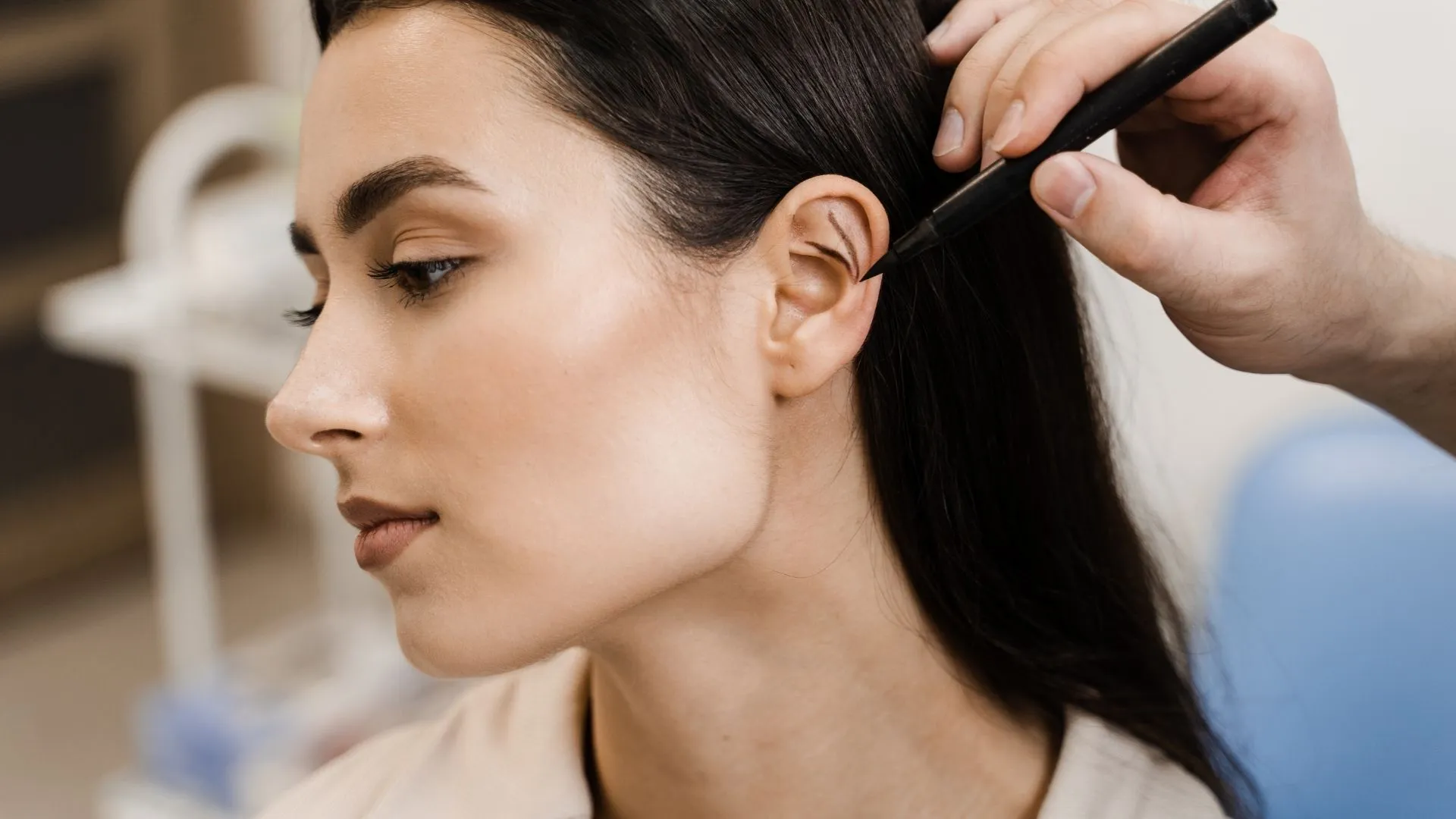
Before any procedure, a thorough consultation and assessment are mandatory. This phase dictates the precise surgical strategy required for effective prominent ear correction. The surgeon evaluates the degree of prominence, the condition of the cartilage, and the specific factors contributing to the projection.
Determining the Ideal Angle and Projection
Achieving the ideal projection involves careful measurement and planning. The surgeon seeks an angle that ensures the ear lies subtly close to the head without appearing unnaturally flattened—a key differentiator in high-quality otoplasty prominent ear correction where natural-looking ear results are the priority. This customized measurement ensures facial symmetry and harmony.
Advanced Techniques in Structural Otoplasty Prominent Ear Correction
Modern surgical techniques allow for highly precise and minimally invasive otoplasty prominent ear correction. These methods often involve meticulous cartilage scoring, suture placement, or a combination of both, depending on the specific deformity. The emphasis is on gentle manipulation to achieve lasting results without compromising the delicate structure of the ear.
Cartilage Sparing vs. Cartilage Incision Techniques
The choice between cartilage sparing (suture-only techniques) and techniques involving controlled cartilage incision depends entirely on the patient’s anatomy. Prof. Dr. İnanlı utilizes the most appropriate technique to ensure robust, long-term stability.
Ensuring Long-Term Ear Correction Stability
Long-term ear position adjustment surgery stability is achieved by setting the cartilage memory. If the cartilage is too springy, stronger, permanent sutures or strategic scoring are utilized to ensure the newly established contour holds up over time. This careful planning minimizes the risk of relapse, a significant concern in prominent ear correction.
Candidate Suitability for Otoplasty Prominent Ear Correction
Otoplasty prominent ear correction can be successfully performed on both children and adults. For children, the procedure is typically recommended once the ear cartilage is sufficiently developed, usually around the age of 5 or 6. Treating the condition early is highly beneficial for a child’s self-esteem and social development.
Psychological Impact and Timing of Pediatric Otoplasty
Addressing ear prominence in young patients minimizes potential bullying and psychological distress. Pediatric otoplasty prominent ear correction often requires nuanced psychological assessment, ensuring the child is prepared and cooperative.
Considerations for Adult Otoplasty
Adults seeking otoplasty prominent ear correction benefit from the procedure just as much, often experiencing a renewed sense of confidence. The recovery process is generally similar, though local or general anesthesia may be used depending on the extent of the surgical ear reshaping required.
The Patient Journey: Consultation to Otoplasty Recovery Timeline
Understanding the comprehensive process, from initial consultation to full recovery, is essential for patients considering otoplasty prominent ear correction. Prof. Dr. İnanlı ensures transparency at every stage, providing detailed pre-operative instructions and post-operative care plans.
Pre-Operative Planning and Preparation
Preparation involves medical clearance, cessation of certain medications, and a final review of the desired outcome. The goal is to optimize health conditions to support a smooth recovery and achieve the best cosmetic ear surgery results.
Navigating the Otoplasty Recovery Timeline
The initial otoplasty recovery timeline involves wearing a protective head dressing for several days, followed by a lighter headband for several weeks, particularly at night. Swelling subsides gradually, and patients typically return to non-strenuous work or school within one week. Prof. Dr. İnanlı provides personalized guidance for the post-operative period.
Minimizing Risks and Maximizing Otoplasty Prominent Ear Correction Outcomes
As with any surgery, minimizing risks is crucial. Choosing an expert ear correction surgeon who adheres to stringent clinical standards is the best way to safeguard the outcome. Prof. Dr. İnanlı’s extensive experience in reconstructive and aesthetic facial surgery significantly lowers the incidence of complications.
Addressing Potential Post-Operative Concerns
Minor swelling, bruising, and temporary numbness are expected after otoplasty prominent ear correction. Severe complications are rare, but patients are monitored closely for signs of infection or hematoma.
The Role of Structural Integrity in Final Results
Structural integrity is key to preventing the ear from protruding again (relapse). Techniques that rely on reinforcing the newly created antihelical fold provide enduring support, ensuring the permanent ear correction is truly permanent.
Comparing Otoplasty Prominent Ear Correction with Non-Surgical Options
While otoplasty prominent ear correction remains the definitive solution for lasting correction, non-surgical options exist, primarily for infants. Ear molding, which utilizes specialized devices, can be highly effective when applied immediately after birth, before the cartilage hardens.
Limitations of Non-Surgical Ear Correction in Older Patients
Once the cartilage has stiffened, typically after 6 months of age, non-surgical techniques have limited efficacy. For children over 5 and adults, surgical ear reshaping through otoplasty is required to reliably achieve the desired correcting protruding ears.
Why Surgical Expertise Guarantees Superior Outcomes
Only surgical intervention allows for precise manipulation of the underlying cartilage structure necessary to correct the aesthetic anomaly permanently. This ensures the resulting ear shape integrates seamlessly with the overall facial contours, providing patients with the confidence they seek.
The Aesthetic Harmony Achieved Through Otoplasty
Otoplasty prominent ear correction is fundamentally about restoring facial balance. When the ears are proportional and correctly positioned, attention is naturally drawn back to the central features of the face. This subtle shift significantly enhances overall appearance and self-perception.
Achieving Natural Ear Contours
An experienced surgeon avoids the
Otoplasty Prominent Ears Surgery
The journey toward cosmetic confidence often involves addressing features that create disharmony with the rest of the face. Otoplasty prominent ears surgery is the definitive medical solution for correcting ears that protrude excessively, a condition that can negatively impact self-esteem from childhood through adulthood. Under the careful guidance of a highly specialized surgeon, such as Prof. Dr. Selçuk İnanlı, otoplasty prominent ears surgery transforms the appearance of the ears, ensuring they complement the facial structure naturally and permanently. Otoplasty prominent ears surgery, also known as ear pinning or ear setback, is a routine procedure in facial plastic surgery. However, achieving truly excellent and enduring results requires specialized expertise in both aesthetic finesse and structural reconstruction. Prof. Dr. İnanlı’s background as a European Board Certified ENT & Facial Plastic Surgeon, with more than 34 years of experience, provides a unique advantage, guaranteeing an approach that prioritizes both structural ear correction and aesthetic elegance. The primary goals of otoplasty prominent ears surgery are to reduce the projection of the ears and to recreate the natural antihelical fold, which typically smooths out the ear’s appearance. When executed precisely, this surgical correction of protruding ears yields long-lasting otoplasty results, providing patients with newfound comfort and confidence in their appearance. Prof. Dr. İnanlı stresses that every procedure is tailored individually, ensuring the outcome respects the patient’s natural facial proportions.
Understanding the Need for Otoplasty Prominent Ears Surgery
Prominent ears typically result from either an absent or poorly formed antihelical fold, an excessive conchal bowl cartilage, or a combination of both. These anatomical deviations cause the ear to project unnaturally away from the side of the head. Otoplasty prominent ears surgery addresses these underlying causes directly.
Identifying the Anatomical Cause of Prominence
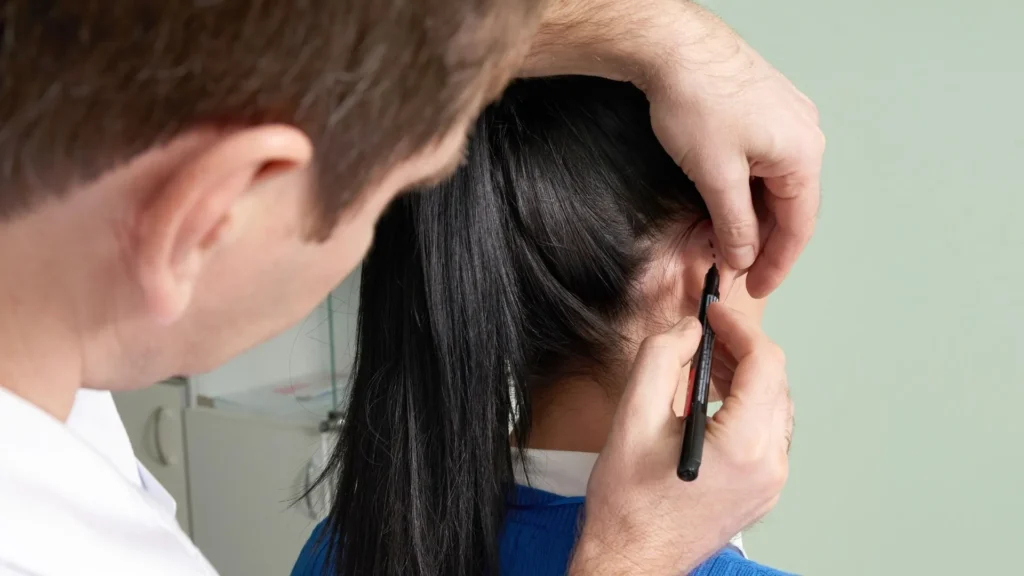
During consultation, Prof. Dr. İnanlı performs a meticulous examination to diagnose the exact cartilage abnormality. This precise diagnosis is vital, as the surgical technique used for correcting a large conchal bowl differs significantly from that used to reform a deficient antihelical fold. This crucial step dictates the entire prominent ear setback procedure.
The Role of Structural Integrity in Otoplasty
Focusing on structural integrity ensures that the correction achieved during the ear pinning operation is stable and resistant to future movement. Utilizing techniques that reinforce the cartilaginous framework is characteristic of an expert approach to structural ear correction.
The Ideal Timing and Candidates for Otoplasty Prominent Ears Surgery
While otoplasty prominent ears surgery can be performed on adults, it is often recommended for children as young as five or six. At this age, the ear cartilage is mature enough for surgery, and intervening early can prevent psychological distress associated with social ridicule.
Determining the Best Age for Otoplasty
For children, the ideal time for the ear pinning operation is before they start school or during the early years of elementary school, minimizing exposure to potential teasing. Early intervention allows the child to integrate into society with improved self-confidence. Prof. Dr. İnanlı guides families through this important decision, emphasizing the psychological benefits.
Considerations for Adult Prominent Ear Correction
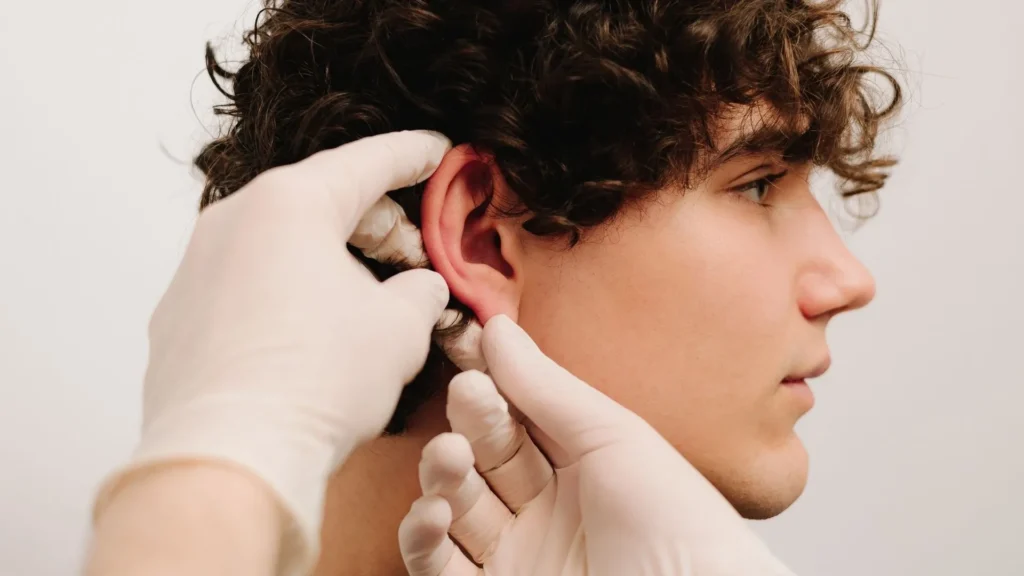
Adults are excellent candidates for otoplasty prominent ears surgery. They often seek the procedure for personal or professional reasons. Since the ear cartilage is fully developed, the surgical approach might be slightly more involved than in children, but the outcomes are equally rewarding. This type of cosmetic ear reshaping significantly improves facial balance.
Advanced Surgical Methods Used in Otoplasty Prominent Ears Surgery
Prof. Dr. İnanlı utilizes advanced, individualized techniques to ensure natural and lasting results. These methods prioritize precise auricular cartilage manipulation and hidden incision placement.
Cartilage Suture Techniques for Refined Aesthetics
Many modern otoplasty procedures rely heavily on strategically placed, permanent sutures (such as the Mustarde or Furnas techniques) to reshape the cartilage without excessive cutting. This minimizes tissue trauma and promotes a smoother recovery. This approach ensures the results of the aesthetic ear surgery are subtle and sophisticated.
Minimally Invasive Approaches to Structural Ear Correction
Using advanced otoplasty techniques that minimize visible scarring is paramount. Incisions are usually placed discreetly behind the ear, rendering them virtually invisible once healed. This commitment to scar concealment is a cornerstone of professional facial plastic surgery.
The Otoplasty Prominent Ears Surgery Experience: Recovery and Aftercare
Detailed post-operative care is crucial for the success of otoplasty prominent ears surgery. Patients must adhere strictly to the surgeon’s instructions to ensure proper healing and the stability of the new ear position.
Immediate Post-Operative Care and Protection
Immediately following the ear pinning operation, a thick head dressing is applied to protect the ears, reduce swelling, and help the cartilage conform to its new shape. This dressing is typically worn for several days, followed by a lighter supportive headband.
Detailed Recovery After Ear Surgery Timeline
Most patients experience mild discomfort manageable with standard medication. Swelling and bruising are normal and gradually subside over a few weeks. The supportive headband must typically be worn continuously for the first week, then nightly for several weeks to protect the ears, especially during sleep. Returning to regular activities usually occurs within one to two weeks, while strenuous exercise should be avoided for longer.
Ensuring Long-Lasting Otoplasty Results and Patient Safety
Choosing a European Board Certified expert like Prof. Dr. Selçuk İnanlı otoplasty minimizes the risks and maximizes the chance of achieving permanent ear positioning. The focus on meticulous technique and structural ear correction directly contributes to the longevity of the outcome.
Mitigating the Risks of Otoplasty
While risks of otoplasty are low, they include potential asymmetry, infection, or recurrence of prominence. Prof. Dr. İnanlı’s specialized knowledge allows for preemptive measures and swift management of any potential complications, ensuring a safe ear surgery experience.
The Importance of Follow-Up Appointments
Regular follow-up appointments are essential to monitor the healing process and confirm the stability of the cartilage correction. This long-term commitment to patient care is critical for guaranteeing the intended aesthetic outcome and functional stability of the surgical correction of protruding ears.
Beyond Aesthetics: The Functional and Psychological Benefits of Otoplasty
While primarily aesthetic, otoplasty prominent ears surgery carries profound psychological and even subtle functional benefits, particularly in relation to wearing protective gear or headwear.
Enhancing Confidence and Social Integration
For many patients, especially children, correcting prominent ears leads to a significant boost in self-esteem, reducing anxiety about their appearance. This procedure facilitates better social integration and a more confident self-image.
The Integration of Aesthetic and Functional Expertise
As an ENT specialist, Prof. Dr. İnanlı approaches all facial structures, including the ears, with a deep understanding of their functional role. Although the ear function is rarely impaired by prominence, this dual expertise ensures that the outcome is structurally sound and aesthetically refined, achieving true functional ear aesthetics.
Choosing Your Specialist for Otoplasty Prominent Ears Surgery in Istanbul
Istanbul has emerged as a center for high-quality plastic surgery, attracting patients globally. When seeking otoplasty prominent ears surgery, selecting a recognized expert like Prof. Dr. İnanlı, who combines local prestige with international certification, is crucial.
The Advantage of European Board Certification
Certification from the European Academy of Facial Plastic Surgery (EAFPS) signifies adherence to the highest standards of safety, ethics, and surgical skill. This assures patients of receiving world-class treatment for their cosmetic ear reshaping.
Planning Your Consultation for Permanent Correction
Scheduling a consultation with a specialized prominent ear surgeon is the first definitive step. During this meeting, all options, expectations, and the detailed surgical plan for achieving long-lasting otoplasty results will be thoroughly discussed.
Prominent Ear Frequently Asked Questions
How much is otoplasty in Turkey?
The cost of otoplasty in Turkey varies by clinic, surgeon experience, and technique used, but it is generally more affordable than in many Western countries.
How painful is otoplasty?
Otoplasty is usually associated with mild to moderate discomfort, not severe pain. Most patients report pressure and soreness around the ears after surgery, which is well managed with prescribed pain medication.
How risky is otoplasty?
Otoplasty is considered a safe and common cosmetic procedure, but like all surgeries it carries some risk, including:
-
Swelling and bruising
-
Temporary numbness
-
Infection (rare)
-
Asymmetry
-
Small scar issues
Choosing an experienced surgeon significantly reduces these risks.
Which country is best for otoplasty?
Many patients find Turkey to be one of the best countries for otoplasty due to:
-
High surgical expertise
-
Experienced specialists
-
Competitive pricing
-
Excellent medical tourism infrastructure
Other popular countries include the USA, South Korea, and parts of Europe, but Turkey is frequently preferred for cost-performance value.
Does otoplasty leave a scar?
Yes, but otoplasty scars are usually minimal and well hidden. Incisions are typically placed behind the ear, where they are not visible in normal views and often fade well over time.
Prominent Ear Treatment
Prominent ear treatment is a vital aspect of facial plastic surgery, offering solutions that dramatically improve aesthetic balance and, crucially, enhance the patient’s psychological well-being. For individuals dealing with ears that protrude significantly, the search for the most effective and permanent solution often leads to consulting a recognized expert, such as Prof. Dr. Selçuk İnanlı, a European Board Certified ENT and Facial Plastic Surgeon. The approach to prominent ear treatment must be tailored to the patient’s age, the severity of the protrusion, and the specific anatomical defect. While surgical intervention—otoplasty—is the gold standard for lasting results in older children and adults, non-surgical methods can be highly effective for infants. Prof. Dr. İnanlı provides a spectrum of expert advice, ensuring patients receive the optimal, most effective prominent ear treatment plan for their unique circumstances. Our commitment is to achieve a natural, balanced look. A successful prominent ear treatment outcome means the ears lie closer to the head, maintaining all the natural contours, and ultimately drawing less attention to themselves. This level of aesthetic refinement requires specialized skill in cosmetic ear reshaping and meticulous surgical planning, prioritizing long-term stability and patient satisfaction.
Non-Surgical Prominent Ear Treatment Options
Before exploring surgical avenues, it is essential to understand the window of opportunity for non-surgical prominent ear treatment. These methods are predominantly successful in newborns due to the high levels of maternal estrogen circulating in the infant’s system, which keeps the ear cartilage soft and pliable.
Ear Taping Infants: A Time-Sensitive Solution
Ear taping infants, or ear molding, involves using soft splints or custom-made molding devices to gently reshape the cartilage. This technique must be initiated within the first few weeks of life to be effective, as the cartilage stiffens rapidly. If performed correctly and timely, it can provide a highly effective, non-invasive prominent ear treatment.
When Non-Surgical Methods Are No Longer Effective
Generally, after six months of age, and certainly by the time the child reaches pre-school age, the ear cartilage is too rigid to be reshaped non-surgically. At this point, the definitive solution for correction of protruding ears transitions entirely to surgery (otoplasty).
Otoplasty: The Definitive Surgical Prominent Ear Treatment
Otoplasty is the most reliable and permanent form of prominent ear treatment for older children and adults. The procedure involves adjusting the underlying cartilage structure to reposition the ear closer to the head and recreate the natural folds.
The Customized Otoplasty Surgical Process
The otoplasty surgical process is highly individualized. Prof. Dr. İnanlı analyzes whether the prominence is due to a lack of the antihelical fold, an oversized conchal bowl, or both. The technique—whether it involves cartilage scoring or using permanent sutures—is selected to provide robust structural ear support and natural appearance.
Ensuring Long-Term Ear Correction Through Expertise
True long-term ear correction relies heavily on the surgeon’s ability to manipulate the cartilage effectively and safely. Prof. Dr. İnanlı’s vast experience ensures that the cartilage is reshaped and secured in a position that minimizes the risk of the ear
Prominent Ear Aesthetics
Prominent ear aesthetics constitute a crucial area within facial plastic surgery, directly impacting the overall balance and harmony of the face. Ears that protrude excessively can draw undue attention, detracting from other features and often leading to self-consciousness. The goal of superior prominent ear aesthetics is not simply to pin the ears back, but to sculpt them into a natural, proportional shape that seamlessly integrates with the patient’s unique facial structure. Achieving exceptional prominent ear aesthetics requires a surgeon who possesses both the technical precision of an ENT specialist and the artistic eye of a facial plastic surgeon. Prof. Dr. Selçuk İnanlı, with his European Board Certification and decades of experience, embodies this necessary duality. His approach ensures that every customized otoplasty plan is designed to deliver long-term aesthetic stability and truly natural ear contour recreation. Successful correction involves careful attention to minute details, such as the depth of the conchal bowl, the sharpness of the antihelical fold, and the distance between the helix rim and the mastoid area. When these elements are addressed with expertise, the result is the restoration of facial harmony and ears that enhance, rather than detract from, the patient’s overall appearance. This subtle, yet transformative, change provides immense psychological benefits of prominent ear aesthetics.
The Role of Symmetry and Proportion in Prominent Ear Aesthetics
True aesthetic success is measured by the extent to which the corrected ears achieve aesthetic balance in otoplasty. The surgeon must consider the patient’s age, gender, hair type, and overall facial dimensions when planning the ideal ear projection. A one-size-fits-all approach is insufficient for high-quality prominent ear aesthetics.
Detailed Ear Assessment and Planning
During the initial otoplasty consultation, Prof. Dr. İnanlı performs a detailed ear assessment, often utilizing imaging and precise measurements to analyze the required setback distance and the degree of cartilage reshaping. The planning phase is critical for designing aesthetic ear results that look entirely unoperated upon.
Correcting Ear Disproportion and Projection
The most common goal is correcting ear disproportion, aiming for the ears to project approximately 1.5 to 2.0 cm from the side of the head. Achieving this precise measurement through careful surgical ear contouring ensures the final look is neither too flat nor too prominent.
Advanced Techniques for Enhancing Prominent Ear Aesthetics
Modern otoplasty uses refined techniques that allow for delicate manipulation of the cartilage, minimizing visible scarring and maximizing natural appearance. These advanced ear reshaping techniques prioritize structural integrity to maintain the aesthetic result indefinitely.
Recreating the Antihelical Fold for Natural Contours
In many cases, the prominence is due to a lack of definition in the antihelical fold. The core of superior prominent ear aesthetics involves meticulously recreating this fold using permanent, internal sutures. This procedure subtly bends the cartilage backward, restoring the necessary, flowing contours of the ear.
Minimizing Visible Scars and Incisions
The hallmark of facial plastic surgery expertise is the ability to hide surgical evidence. Incisions for otoplasty are strategically placed behind the ear (in the postauricular crease), ensuring that they are concealed, contributing significantly to patient confidence in their cosmetic ear surgery goals.
The Patient Profile: From Children to Adults Seeking Prominent Ear Aesthetics
Prominent ear aesthetics procedures can be performed effectively across different age groups, though the motivation and approach may vary slightly. Early intervention in childhood is highly recommended for psychological reasons.
Pediatric Otoplasty: Addressing Perception of Protruding Ears
For children (typically ages 5-14), correcting the ears helps alleviate teasing and self-image issues related to the perception of protruding ears. Prof. Dr. İnanlı ensures that the child is psychologically ready, making the procedure a positive experience that contributes to improved self-esteem.
Ear Pinning for Adults and Long-Term Stability
Ear pinning for adults often requires slightly stronger surgical maneuvers due to hardened cartilage, but the results are equally gratifying. Adults frequently appreciate the improvement in achieving natural ear symmetry and the resulting boost in professional and social confidence. This is a profound investment in one’s overall image.
The Prof. Dr. Selçuk İnanlı Difference in Prominent Ear Aesthetics
Choosing a surgeon with specialized expertise guarantees superior outcomes. Prof. Dr. Selçuk İnanlı ear surgery is distinguished by his deep commitment to structural function and personalized aesthetic planning, ensuring that the results are not just acceptable, but exceptional.
Structural Integrity Meets Aesthetic Refinement
Prof. Dr. İnanlı’s ENT background ensures that the structural components are robustly secured, translating directly into long-term aesthetic stability. He meticulously plans the cartilage resection and suture placement to avoid the unnatural, overly flattened look often associated with less skilled procedures.
Customized Post-Operative Care for Optimal Healing
Post-operative adherence is crucial for optimal prominent ear aesthetics. Detailed instructions regarding protective headbands, hygiene, and activity limitations are provided to ensure the ears heal into their intended position without complications.
Addressing Asymmetry: A Key Element of Prominent Ear Aesthetics
It is common for patients to present with asymmetrical ears, where one ear protrudes more than the other. Otoplasty is an ideal tool for correcting this asymmetry, focusing on individual ear adjustment to bring them into balance with each other and the face.
Achieving Natural Ear Symmetry Through Individualized Correction
When performing unilateral or bilateral surgery for asymmetry, the surgeon must treat each ear as a distinct entity, adjusting the projection and shape uniquely to achieve perfect harmony. This meticulous, ear-by-ear customization is essential for refined prominent ear aesthetics.
The Importance of Final Review and Follow-up
Periodic follow-up reviews ensure that the ears maintain their corrected position and contour over the long term. Prof. Dr. İnanlı’s commitment extends beyond the operating room, emphasizing post-operative care as integral to the lasting success of prominent ear aesthetics.
Prominent Ear Frequently Asked Questions
What is the age limit for otoplasty?
There is no upper age limit for otoplasty as long as the patient is in good health. The procedure can be performed on children as young as 5–6 years old, once the ears have fully developed.
Do you get put to sleep for otoplasty?
Otoplasty can be performed under local anesthesia with sedation or general anesthesia, depending on the patient’s age, comfort level, and surgeon’s recommendation. Children usually receive general anesthesia.
How long should I take off work after otoplasty?
Most patients can return to desk-based work within 5–7 days. Jobs involving physical activity may require 10–14 days off to ensure proper healing.
What is the difference between ear pinning and otoplasty?
Ear pinning is a common term used to describe otoplasty. Otoplasty is the medical term for surgical correction of prominent or misshapen ears, while ear pinning refers specifically to setting the ears closer to the head.
Can I wear glasses after otoplasty?
It is recommended to avoid wearing glasses directly on the ears for about 2–3 weeks after otoplasty. If needed, lightweight frames or alternative support methods can be used during early recovery.
Can Ears Stick Out Again After Otoplasty?
A crucial question for any patient considering ear correction surgery is: Can ears stick out again after otoplasty? This concern regarding ear prominence recurrence is legitimate, as the forces within the cartilage—often referred to as ‘cartilage memory’—can sometimes attempt to pull the ears back toward their original position. While modern surgical techniques make the otoplasty relapse rate relatively low, understanding the factors that influence long-term stability is vital. Prof. Dr. Selçuk İnanlı, a European Board Certified ENT & Facial Plastic Surgeon, emphasizes that the key to minimizing the risk of recurrence lies in using structural, durable surgical techniques. With over 34 years of experience, Prof. Dr. İnanlı designs every otoplasty procedure to not only achieve a natural aesthetic outcome but also ensure the long-term stability of ear surgery. He leverages advanced methods to securely reshape the cartilage, countering the forces that might cause the ears to protrude again. The answer to can ears stick out again after otoplasty is generally: rarely, when performed correctly by a skilled specialist. However, recurrence, or partial relapse, can occur if the underlying cartilage deformity is not adequately addressed, or if post-operative care is neglected. Choosing a structural otoplasty surgeon who prioritizes permanent fixation is the most effective preventative measure.
Understanding the Causes of Otoplasty Relapse
Recurrence, though uncommon, usually happens early in the post-operative phase and is tied to specific technical failures or patient factors. Identifying these causes of ear setback failure is the first step toward minimizing ear protrusion risk.
The Force of Cartilage Memory and Elasticity
Cartilage memory refers to the natural tendency of the cartilage to spring back to its original shape. If the cartilage is not adequately weakened or if the sutures used to fix the new shape are too loose or improperly placed, the inherent elasticity of the tissue can lead to a gradual relapse. Overcoming cartilage memory and ear surgery requires specific surgical skill.
Technical Failure in Securing the Correction
An insufficient correction of the conchal bowl or a failure to create a sharp, robust antihelical fold can compromise the long-term result. If the ear structure failure occurs, the ear might begin to push away from the head. This highlights the importance of secure otoplasty techniques.
Surgical Strategies to Prevent Recurrence
Expert surgeons utilize specific surgical techniques to prevent relapse, ensuring durable ear correction. These methods focus on achieving structural change that the cartilage cannot easily reverse.
Cartilage Scoring and Suture Fixation
One common strategy involves scoring the anterior surface of the cartilage to strategically weaken its elasticity, making it more pliable. Coupled with permanent, non-absorbable sutures placed deep within the cartilage (such as Mustarde or Furnas sutures), this dual approach provides robust internal support, essential for ensuring permanent ear correction.
The Importance of Choosing a Structural Otoplasty Surgeon
Prof. Dr. İnanlı’s background emphasizes structural integrity, which is critical for maintaining otoplasty results. His expertise ensures that the reshaping is fundamental, not superficial, addressing the deeper anatomical root of the prominence. Patients benefit from a surgeon who treats the procedure as reconstructive as well as cosmetic.
The Role of Post-Operative Care in Preventing Relapse
Even the best surgery can be compromised by poor aftercare. Adhering to professional post-otoplasty care advice is non-negotiable for securing the final results and preventing the ears from sticking out again.
Criticality of Headband Use
Patients are typically required to wear a supportive headband for several weeks, initially full-time, and then nightly. This device serves as external reinforcement, protecting the ears during the critical healing phase when the internal sutures are setting the new cartilage shape. Neglecting the headband is a major factor affecting otoplasty outcome.
Protecting the Ears from Trauma and Impact
During the first few months, the ears are vulnerable to injury. Any significant trauma, such as a forceful bump during sports or rough play, could potentially disrupt the internal surgical correction and lead to ear prominence recurrence. Patients must carefully follow safety guidelines during the recovery period.
When Relapse Occurs: Revision Otoplasty
If, despite best efforts, the ears do begin to protrude again, a revision otoplasty procedure may be necessary. This is a secondary surgery performed to correct the initial setback failure.
The Necessity of Advanced Surgical Skill in Revision
Prof. Dr. İnanlı possesses significant experience in revision surgeries across the face. For revision otoplasty, he carefully analyzes why the initial surgery failed and implements a more robust structural plan, often involving stronger cartilage modification and fixation to ensure lasting correction.
Otoplasty Long-Term Follow-up and Assurance
To confidently answer the question, can ears stick out again after otoplasty, patients should commit to otoplasty long-term follow-up with their surgeon. This ensures that any subtle changes are identified and addressed early.
Monitoring Results and Ensuring Long-Term Stability
Regular check-ups allow the surgeon to monitor the healing of the cartilage and confirm the sustained long-term stability of ear surgery. This proactive approach is part of providing comprehensive, responsible patient care and achieving truly permanent results.
Consultation for Concern about Potential Relapse
If a patient notices signs of the ears moving away from the head post-surgery, immediate consultation is vital. Early identification allows for potentially minor corrective measures before a full revision otoplasty becomes necessary. Prof. Dr. İnanlı ensures patients are educated on what to look for, safeguarding their investment in durable ear correction.
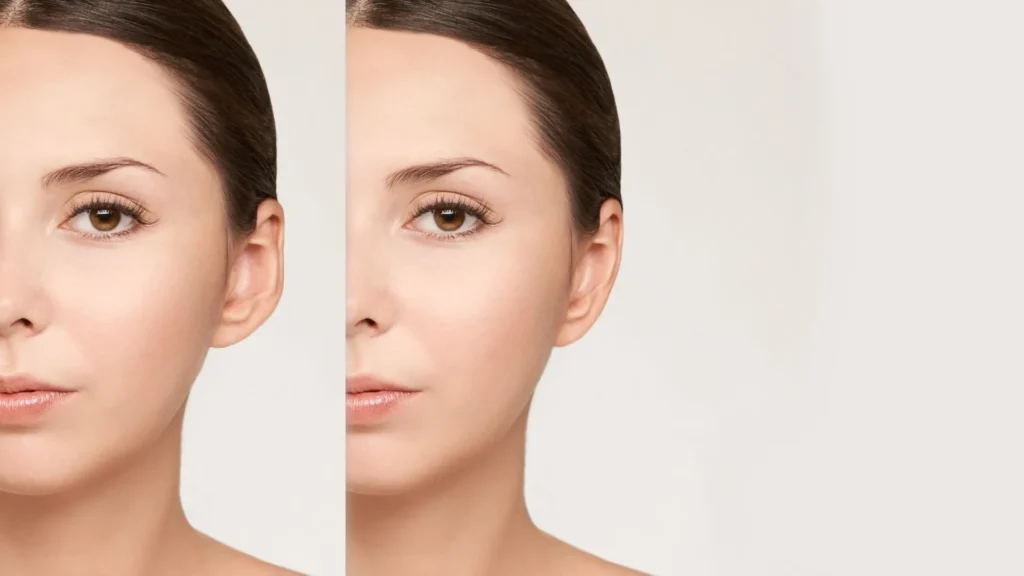
Otoplasty for One Ear Cost
When considering aesthetic procedures, understanding the financial investment is paramount. The question of otoplasty for one ear cost often arises, particularly for patients presenting with asymmetrical ear prominence where only one ear requires correction. While unilateral otoplasty addresses only a single ear, the procedure demands the same level of surgical skill, precision, and planning as a bilateral correction, especially since the goal is to achieve perfect symmetry with the unoperated ear. Otoplasty for one ear cost, or unilateral otoplasty price, is not simply half the price of a standard bilateral procedure. The complexity of achieving aesthetic balance between two different structures—one natural and one corrected—often requires enhanced surgical meticulousness. Prof. Dr. Selçuk İnanlı ensures that every unilateral otoplasty is treated as a highly complex procedure designed for seamless integration and long-term stability. The final otoplasty for one ear cost is influenced by numerous factors influencing otoplasty prices, including the surgeon’s experience, the facility fees, anesthesia type, and the degree of complexity involved in the asymmetrical ear correction pricing. Choosing a European Board Certified expert like Prof. Dr. İnanlı ensures that the investment correlates directly with the highest standard of care and superior, lasting results.
Deconstructing the Otoplasty for One Ear Cost
To fully understand the otoplasty for one ear cost, it is helpful to break down the primary components that contribute to the total expense. These factors remain largely consistent whether one or both ears are corrected.
Professional Fees: The Surgeon’s Expertise
The surgeon’s fee is a major component of the unilateral otoplasty price. This reflects the surgeon’s training, certification, and years of specialized experience. Given that the procedure requires precise asymmetrical ear correction pricing and execution to match the untreated ear, the expertise of a highly qualified specialist like Prof. Dr. İnanlı warrants a specific professional fee. This is the surgeon expertise cost correlation at play.
Facility and Anesthesia Costs
Regardless of whether it’s the cost of single ear surgery or bilateral, operating room time and hospital or clinic facility fees apply. Similarly, the services of a certified anesthesiologist and the costs associated with monitoring and recovery must be factored into the final price. These costs are often fixed, contributing significantly to the base ear pinning surgery cost breakdown.
Factors Influencing Otoplasty Prices for Single Ear Correction
Several specific variables can cause fluctuations in the otoplasty for one ear cost. Transparency in pricing is essential for patients planning their structural otoplasty investment.
Complexity of the Correction
If the single ear correction requires extensive cartilage grafting, aggressive remodeling, or if it is a revision ear surgery cost following a previous unsuccessful attempt, the complexity and required operative time will increase, thereby affecting the final price. Prof. Dr. İnanlı’s individualized approach ensures the complexity is accurately assessed from the start.
Geographic Location and Healthcare Tourism
For many international patients, pursuing otoplasty fees in Turkey offers world-class expertise at competitive rates compared to Western European or North American markets. This makes Turkey a popular destination for healthcare tourism for otoplasty, balancing quality with affordable single ear surgery options.
Value Proposition: Otoplasty as a Structural Investment
Focusing solely on the otoplasty for one ear cost overlooks the substantial long-term benefits. Investing in high-quality aesthetic surgery translates directly into permanent confidence and improved psychological well-being.
Value of Aesthetic Ear Correction and Durability
The most affordable option is rarely the best, especially when considering the risk of recurrence or poor aesthetic results. Prof. Dr. İnanlı’s emphasis on structural integrity ensures the value of aesthetic ear correction is realized through enduring results, minimizing the need for costly future revision ear surgery cost.
Bilateral Otoplasty Comparison
While bilateral otoplasty comparison shows a higher overall price, the cost of single ear surgery is usually 60–80% of the bilateral price, not 50%. This difference reflects the minimum overhead and procedural costs that remain constant even for unilateral cases. Patients seeking prominent ear correction estimates must understand this ratio.
Consultation and Financing Your Otoplasty
The first step in determining the precise otoplasty for one ear cost is scheduling a detailed consultation. This allows Prof. Dr. İnanlı to evaluate the specific anatomical needs and generate a personalized quote.
The Comprehensive Consultation Process
The ENT and Facial Plastic Surgeon consultation involves a thorough physical examination, discussion of aesthetic goals, and assessment of the required surgical technique. The comprehensive consultation fees cover this critical planning phase, which is integral to successful surgery.
Discussing Financial Planning and Insurance Coverage
While most cosmetic otoplasty procedures are not covered by standard insurance, the clinic provides transparent pricing otoplasty information to aid in financial planning. In rare instances, if the prominence is secondary to trauma or certain birth defects that cause functional problems, there might be partial eligibility for insurance coverage, a matter to be discussed with the insurance provider regarding insurance coverage for ear surgery.
Conclusion: Investing in Quality and Expertise
Choosing a European Board Certified expert for your otoplasty for one ear cost ensures that your structural otoplasty investment delivers the highest quality aesthetic outcome and lasting satisfaction.
Prominent Ear Frequently Asked Questions
Do ears look weird after otoplasty?
Yes, temporarily. Swelling, bruising, and stiffness are normal in the early days, which can make the ears look unnatural at first. As healing progresses over several weeks, the ears settle into a natural, balanced appearance.
Why wear a headband after otoplasty?
A headband helps protect the ears, reduces swelling, and keeps them in the correct position while healing. It also prevents accidental bending during sleep.
How long until ears heal from otoplasty?
Initial healing takes about 2–3 weeks, but complete healing and final results may take 2–3 months as swelling fully resolves.
Can I shower after otoplasty?
You can usually shower 48–72 hours after surgery, once your surgeon allows it. The ears should not be soaked, and incisions must be kept dry and clean.
Can I fly after an otoplasty?
Yes, most patients can fly after 5–7 days, provided there are no complications. Always confirm with your surgeon before traveling.
How do I wash my hair after otoplasty?
Hair can be washed gently after 2–3 days using lukewarm water. Avoid strong water pressure on the ears and carefully pat the area dry.